Ever wonder why one pair of sneakers feels like a breeze while another leaves your feet or knees aching by lunchtime? Most people probably never think about what might be making the difference: The gait cycle, the repeating pattern your body moves through with every step.
When you understand your walking gait cycle, you can start to understand what your feet really want from your shoes.
The gait cycle is the complete sequence of movements from the time one foot contacts the ground until the same foot next contacts the ground. It happens dozens of times per minute, mostly without you thinking about it.
While each person’s walking pattern is slightly different, the basic walking gait cycle goes through the same general sequence. Your gait cycle phases can be influenced by your foot build, joint flexibility, muscle power, prior injuries, and footwear. That’s why two people can walk the same mile in the same shoes and have very different degrees of comfort.
To get a picture of the cycle in two broad chunks, an understanding of walking biomechanics helps:
Stance phase: This is the phase when your foot is on the ground, supporting your body weight. This is the longer part of the cycle and consists of:
Swing phase: This is when your foot is off the ground and swinging forward to prepare for the next step. Your knee bends, your hip pushes forward, and your foot lands again to start the cycle.
The most important part of this for your comfort is this: your foot is essentially doing double duty at midstance. It must take the impact and hold you still at the same time. If your shoe can’t do the job, then your ankles, knees, hips, and lower back will often have to compensate.
Think about how gait and footwear interact at each stage:
The right footwear should work with these natural movements.
Recent Circana retail tracking data shows performance footwear sales grew a notable 13 percent in the first half of the year, while overall footwear industry growth sat closer to 1 percent. Translation: shoppers are becoming pickier, and they’re more willing to pay for footwear that actually works for their bodies.
The broader market is growing as well. Grand View Research predicts the U.S. footwear market will reach about $101.4 billion by 2026, with athletic footwear singled out as the fastest-growing product category.
You don’t need a lab or treadmill camera to notice potential problems. Pay attention if:
These signs simply indicate that your current footwear isn’t providing the support or fit your feet need.
When you’re shopping with your gait cycle in mind, prioritize:
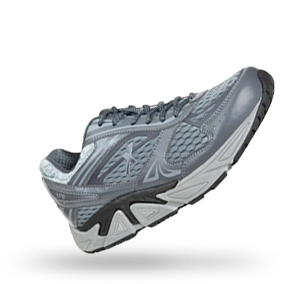
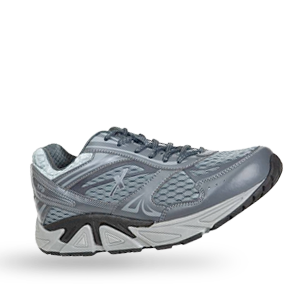
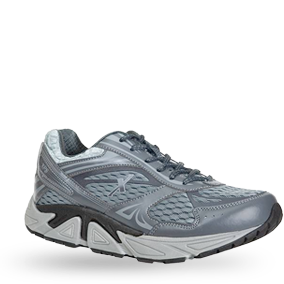
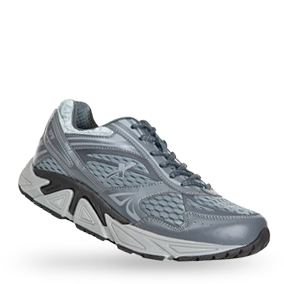
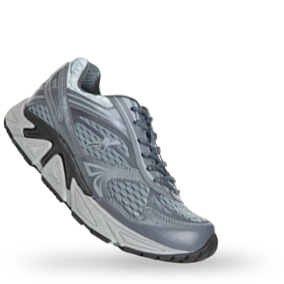
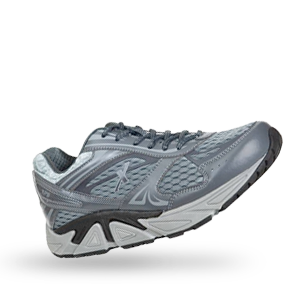
This is how the folks at Xelero Shoes make their shoes, blending impact absorption, stability, control, and forward motion. The midsole, control plate, and propulsion element are features built to support the foot through the gait cycle.
When you understand your gait cycle, you can focus on how your shoes support every step, from heel contact and midstance to forward motion and toe-off. Xelero Shoes are designed for stability, support, impact absorption, and forward motion so you can have the shoes that provide you with the control you need while helping you enjoy the motion you want.