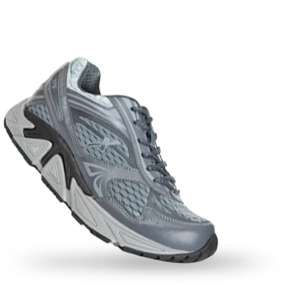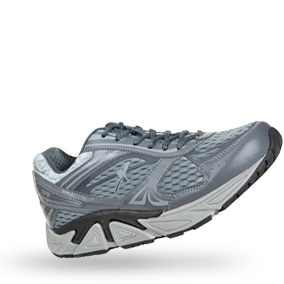
A hard sidewalk can send force from your heel through your ankles, knees, hips, and lower back with every step. That is why understanding how supportive shoes reduce impact matters for anyone whose daily walk, workout, or standing routine leaves them feeling sore, fatigued, or less willing to move.
Supportive footwear does more than add a soft layer beneath the foot. A well-designed shoe helps manage how your foot meets the ground, how your body moves over it, and how steadily you push off into the next step. When cushioning, structure, and motion control work together, they can make everyday movement feel more controlled and less punishing.
Walking and running are repeating cycles of loading and release. When your foot lands, the ground pushes back with force. Your body is built to absorb some of that force through the foot, ankle, leg muscles, and joints. Problems can arise when the load is excessive, repetitive, or poorly distributed because the foot rolls too far inward or outward, the shoe feels unstable, or the midsole has lost its ability to cushion.
Supportive shoes help by spreading pressure across a broader, more stable platform. Rather than allowing one area of the heel, forefoot, or arch to take the full brunt of a landing, the shoe’s midsole and outsole help disperse force over time and across the sole. This does not eliminate impact completely – nor should it. It helps make impact more manageable for the body.
The result may be less jarring at heel strike, a steadier transition through midstance, and a more efficient push-off. For people who walk for fitness, work on hard floors, hike uneven trails, or are returning to activity after discomfort, that difference can add up over thousands of steps.
Cushioning is usually the first feature people notice, and it plays a real role. Midsole foam compresses under load, helping reduce the sharpness of each landing. A properly cushioned shoe can be particularly helpful on concrete, tile, asphalt, and other firm surfaces that offer little give.
But the softest shoe is not automatically the most supportive shoe. If foam is too soft for your needs, your foot may sink or shift with each step. That can create a feeling of instability and require the smaller muscles in the feet and legs to work harder to maintain balance. For some walkers and runners, especially those with a history of overpronation or joint discomfort, a shoe that feels plush but lacks structure can be less comfortable over longer distances.
The goal is balanced cushioning: enough material to soften impact, with enough resilience to keep the foot supported as the shoe compresses. Resilient cushioning rebounds after loading, helping the shoe continue to perform through the gait cycle rather than feeling flat or unstable.
A wide, stable platform gives the foot a more secure place to land. This matters because impact is not only about vertical force. It is also about unwanted side-to-side movement and rotation. When the shoe base is narrow, worn unevenly, or poorly matched to your foot shape, the foot may feel as though it is tipping or rolling during stance.
A stable outsole and structured heel area can help keep the foot better centered over the shoe. That may reduce the need for compensating movements at the ankle, knee, hip, and lower back. The benefit is especially relevant when walking on uneven ground, changing direction, carrying groceries, or standing for long periods.
Your feet are the foundation of every step. If that foundation is not well supported, the effects can travel upward. Excessive inward rolling, often called overpronation, can change the position of the ankle and lower leg as you move. Supination, or rolling too far outward, can concentrate pressure along the outside edge of the foot. Neither pattern is automatically a problem for every person, but either can become more noticeable when fatigue, discomfort, or an unsupportive shoe enters the picture.
Motion-control features are designed to guide the foot through a more stable path. Depending on the shoe, that may include a supportive heel counter, a structured midfoot, guidance elements in the sole, or a design that encourages smoother forward motion. These features are not meant to lock the foot in place. They are meant to limit excessive movement that can make each landing less predictable.
When alignment is better supported, force can move through the foot and leg in a more consistent way. Many people notice this as less strain in the arches, less pressure at the knees, or reduced fatigue by the end of the day. The exact effect depends on individual gait mechanics, activity level, and the source of discomfort, so a shoe should be judged by how it feels during real use, not only by its feature list.
Impact management continues after the foot touches down. A supportive shoe should also help you move forward efficiently. If a shoe bends in the wrong place, collapses under the arch, or forces the foot to work through an awkward transition, every step can feel harder than it needs to.
A thoughtfully designed sole supports a smooth progression from heel strike to toe-off. This can be valuable for people who feel stiff in the morning, tire quickly on longer walks, or want to stay active without aggravating recurring foot or joint discomfort. A forward-motion design does not replace strength, mobility, or medical care when needed. It can, however, reduce some of the unnecessary effort created by poorly performing footwear.
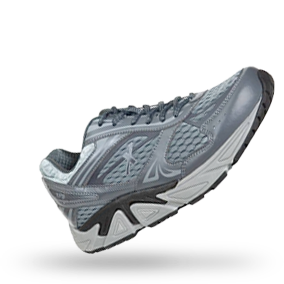
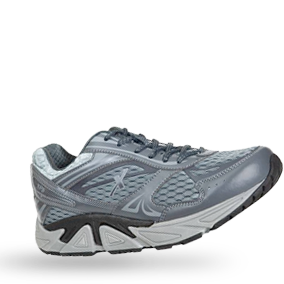
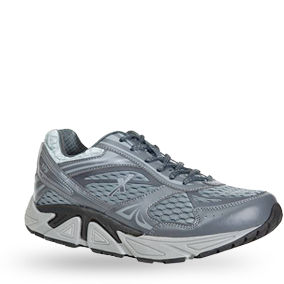
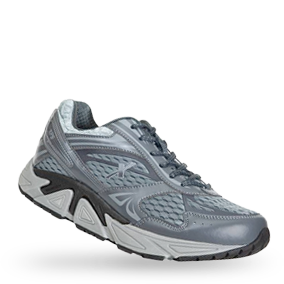
For Xelero, this combination of cushioning, motion control, and forward movement is central to the purpose of supportive footwear: helping people stay mobile with greater comfort and confidence.
There is no single shoe construction that works equally well for every foot. The right choice depends on how you move and where you need support. A person who walks several miles on pavement may prioritize durable cushioning and a stable heel. Someone who stands at work may need consistent comfort, a roomy fit, and a supportive base that does not feel tiring late in the day. A hiker may need traction and lateral stability, while a runner may want a lighter feel without sacrificing guidance.
Pay attention to practical signs that your current shoes are not managing impact well. You may feel heel pain when you first stand up, aching in the knees after a walk, soreness along the arches, or a sense that your feet are working too hard to stay balanced. Uneven wear on the outsole, especially when one edge is worn down more than the other, can also signal that the shoe is no longer providing stable support.
Fit is equally important. A supportive shoe that is too narrow can create pressure and numbness. One that is too long or too loose can allow the foot to slide, reducing the benefit of the shoe’s structure. Your heel should feel secure, your toes should have room to move, and the shoe should feel comfortable during a normal walking stride, not just while sitting down.
If you have persistent foot, knee, hip, or back discomfort, frequent ankle rolling, or a noticeable change in your gait, consider discussing your symptoms with a qualified health professional. Footwear can be a meaningful part of a comfort and mobility plan, but it is not a universal solution for every source of pain.
Supportive shoes are most useful when they match your activity, fit your foot, and help you move with less effort. The best pair should make your next walk feel more natural – not like something you have to push through.