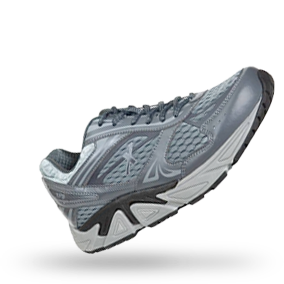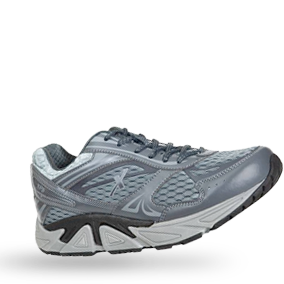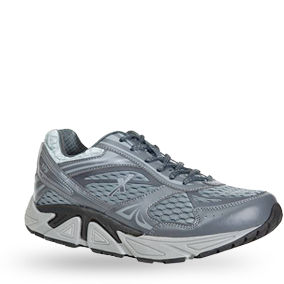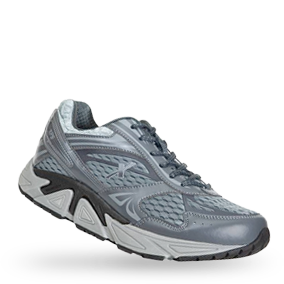
A walk to the mailbox should not leave your feet aching, your knees feeling unstable, or your lower back tighter than when you started. Yet when a shoe allows the foot to roll too far inward, shift side to side, or land without enough support, those stresses can build with every step. Walking shoes alignment is about helping your feet move on a steadier path so the rest of your body can work with less unnecessary strain.
For many people, the goal is not a more complicated walking routine. It is being able to walk the dog, travel, work a full day on your feet, or enjoy a neighborhood route without thinking about pain. The right footwear cannot solve every mobility concern, but it can provide a stable, supportive foundation for the gait cycle.
Alignment in a walking shoe refers to how the shoe helps guide and support the foot as it contacts the ground, moves through the step, and pushes off. Your foot does not move in isolation. Its position can affect the ankle, knee, hip, and lower back. When the foot is unstable or repeatedly collapses inward, the body may compensate farther up the chain.
A well-designed supportive walking shoe is not meant to force every foot into one rigid position. Instead, it should help limit excessive motion while still allowing a natural heel-to-toe transition. This distinction matters. Too little structure may leave a foot that needs guidance working harder to stabilize itself. Too much stiffness in the wrong place may feel restrictive or change the way you walk.
The best level of support depends on your gait, foot shape, activity level, and symptoms. Someone with a neutral gait may want cushioning and a stable platform, while a person whose feet roll significantly inward may benefit from more deliberate motion control. If pain is persistent, severe, or changing how you walk, a podiatrist, physical therapist, or other qualified clinician can help identify what is contributing to it.
Each step involves a sequence of controlled movement. The heel contacts the ground, weight shifts through the foot, and the body moves forward over the forefoot. If the shoe lacks stability, the foot may move excessively during this sequence. Over a long walk or a full day, even small changes in mechanics can become noticeable.
Excessive inward rolling, often called overpronation, is one common concern. Pronation itself is normal – it helps the body absorb impact. The issue is not whether the foot pronates, but whether it does so beyond what your body can comfortably manage. In some walkers, this can be associated with fatigue in the arches, heel discomfort, ankle instability, or stress that is felt at the knees, hips, or lower back.
A supportive shoe can help by creating a more stable base beneath the foot, controlling unwanted side-to-side movement, and encouraging a smoother path forward. That does not mean every ache comes from pronation or can be fixed with a shoe. Arthritis, tendon issues, old injuries, muscle weakness, and changes in activity can all play a role. Footwear is one practical part of a bigger mobility picture.
When choosing shoes for walking, look beyond softness. A very soft shoe can feel pleasant at first, but if it compresses unevenly or allows the foot to shift, it may not provide the support you need over distance. Comfort and control should work together.
The heel is where each walking step begins. A firm heel counter – the structured material around the back of the shoe – can help hold the rearfoot in a more stable position. Your heel should feel secure rather than loose or perched above the shoe.
Try the shoe with the socks you normally wear. Walk on a firm surface if possible, and notice whether your heel lifts, slides, or feels as though it is tipping inward or outward. A secure heel fit can improve confidence, especially for people who feel unsteady on uneven sidewalks, hard floors, or long errands.
Motion-control footwear is designed to help manage excessive foot movement during the gait cycle. Depending on the shoe, that support may come from a structured midsole, a wider base, targeted guidance elements, or geometry that encourages forward movement.
The goal is controlled motion, not a locked-down foot. A good walking shoe should feel supportive from the first steps without creating sharp pressure at the arch or discomfort along the inside of the ankle. If a shoe feels aggressively corrective, it may not be the right match for your gait or foot shape.
Walking on concrete, tile, and asphalt repeatedly sends impact forces through the body. Cushioning helps reduce the harshness of those forces, while a supportive midsole helps prevent the shoe from collapsing unevenly under load. Both matter.
For alignment, look for cushioning that stays stable rather than feeling overly squishy. The right balance can reduce impact stress while helping the foot remain centered over the shoe. This can be especially valuable for walkers who spend hours standing, adults managing joint discomfort, and anyone returning to activity after a period of reduced mobility.
Walking is a forward-moving activity, and shoe geometry can support that motion. A well-designed rocker or forward-motion sole can help make the transition from heel strike to toe-off feel smoother. This may reduce the effort required at certain points in the stride, particularly when feet or joints feel stiff.
This feature is not automatically right for everyone. Some walkers prefer a more traditional, flexible feel, while others appreciate the assistance of a rocker-based design. The best test is simple: the shoe should make your stride feel more natural and controlled, not like you are being pushed ahead of your own rhythm.
Even the most supportive walking shoe cannot perform as intended if it does not fit correctly. A shoe that is too narrow can compress the forefoot and alter toe movement. One that is too long or too wide can allow the foot to slide, reducing stability. Fit should be evaluated at the end of the day, when feet are often slightly fuller.
Leave about a thumb’s width of room between your longest toe and the end of the shoe. The toe box should allow your toes to spread naturally without rubbing, while the midfoot should feel comfortably held in place. If one foot is larger, fit the larger foot. If you use an orthotic or prescribed insert, bring it when trying on shoes so you can confirm there is enough depth and volume.
Lacing also matters more than many people realize. A secure lace pattern can reduce heel slip and help keep the foot centered. Avoid tightening the shoe so much that it creates numbness, tingling, or pressure across the top of the foot.
Shoes do not need visible holes to be worn out. Midsole foam can lose its ability to cushion and stabilize long before the upper looks damaged. If you notice a new ache that appears during walks, inspect your shoes for uneven outsole wear, a leaning heel, compressed cushioning, or a sole that twists too easily.
Pay attention to how you feel after walking, not only during it. Foot fatigue, recurring arch soreness, knee discomfort, or a sense that one leg is working harder can be useful signals. They do not diagnose a problem on their own, but they are worth discussing with a footwear specialist or healthcare professional when they persist.
Replacing shoes based solely on a mileage number is not always practical for everyday walkers. Frequency of use, body weight, walking surfaces, and shoe construction all affect durability. A pair used daily for work and errands may need attention sooner than one reserved for occasional fitness walks.
Supportive footwear works best when it matches the demands of your day. A short, easy walk may feel fine in a casual sneaker, but long shifts, travel days, uneven paths, and regular exercise place different demands on your feet. Choosing a walking shoe with dependable stability can help you stay more consistent with the movement that supports long-term health.
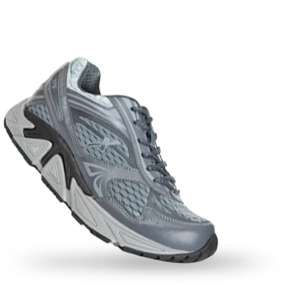
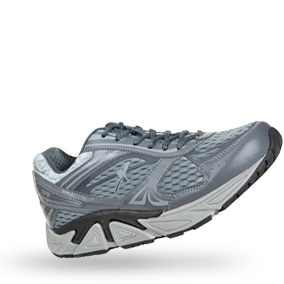
Xelero footwear is built around this principle: combining motion control, cushioning, and forward-motion design to support a more stable stride. For walkers who need more than basic comfort, that combination can help make everyday movement feel less punishing and more sustainable.
Give new shoes time to prove themselves. Wear them indoors first, then take shorter walks before relying on them for a full day. The right pair should feel secure, balanced, and comfortable without a break-in period that involves pain. When every step has a steadier foundation, walking can return to what it should be: a reliable way to move through your day with confidence.