When people shop for walking shoes, softness often gets their attention first. A shoe that feels plush underfoot can seem like the obvious choice, especially if you are dealing with foot fatigue or everyday discomfort. But the softest shoe is not always the most supportive one.
Cushioning matters, but softness alone does not always lead to better comfort over time. In many cases, stability is the feature that makes the bigger difference. A stable shoe can help support the foot more effectively, reduce excess motion, and create a steadier walking experience from the first step to the last.
Very soft shoes often feel great for the first few minutes. They may feel cushioned, light, and easy on the feet when you try them on in a store. The problem is that first-step comfort is not always the same thing as long-term support.
A shoe that feels extra soft may also:
This is why softness alone can be misleading. A shoe may feel comfortable when you are standing still, but once you start walking, the lack of support may become more noticeable.
Stability refers to how well a shoe supports and controls the foot during movement. A stable shoe helps keep the foot secure and balanced throughout the stride. That does not mean it has to feel stiff or heavy. It simply means the shoe provides enough structure to guide the foot in a more supported way.
A stable walking shoe often helps provide:
For many people, this kind of support is what makes a shoe feel truly comfortable over time.
Walking is repetitive. Even if you are not exercising, you may take thousands of steps in a day between work, errands, travel, and everyday movement. If your shoes are not supportive enough, small issues can add up quickly.
When a shoe is more stable, it can help your body move more efficiently. The foot feels more secure, the stride feels more controlled, and the body may not have to work as hard to stay balanced. Over time, that can make a meaningful difference in how your feet and lower body feel.
This can be especially important for people who:
Shoes that are too soft may feel comfortable at first, but they can sometimes work against the foot instead of supporting it. If the foot sinks too much into the shoe, stability may suffer.
That can lead to problems such as:
For someone who needs better support, this can make the difference between a shoe that feels good for a few minutes and one that actually feels good after hours of movement.
When a shoe does not provide enough support, discomfort can show up in different ways. It may not always feel dramatic, but the effects often build with time and repetition.
Common issues can include:
Again, this does not mean shoes are the only cause of these problems. But a lack of stability can make them harder to manage, especially for people who already need more structured support.
Choosing stability over extra softness does not mean cushioning is not important. In reality, the best walking shoes often combine both. The goal is not to eliminate cushioning. It is to make sure the cushioning works with the rest of the shoe instead of against it.
That is why stable cushioning matters so much. A well-designed walking shoe should help absorb impact while still giving the foot enough structure and control. That balance is often what leads to better comfort over the course of a full day.
In other words, it is not about choosing hard shoes over soft shoes. It is about choosing supportive cushioning over cushioning that feels too soft to provide real control.
If stability is a priority, there are several features worth looking for when shopping for shoes.
A supportive heel helps improve rearfoot control and keeps the foot more secure at the start of each step.
The midsole should provide cushioning without collapsing too easily under pressure.
Support through the midfoot helps reduce strain and improve overall walking comfort.
A shoe that bends or twists too easily may not offer enough support. A more supportive sole can help create a steadier stride.
The foot should feel held in place without slipping around inside the shoe.
Some shoes are designed to encourage a more natural and controlled transition through the stride, which can make walking feel less jarring.
A more stable walking shoe may be especially helpful for people who:
For these people, softness alone may not be enough to create the comfort they are looking for.
When trying on shoes, it helps to pay attention to more than cushioning. A supportive shoe should feel steady and balanced as well as comfortable.
Signs that a shoe feels supportive include:
That combination of support and comfort is usually what makes a shoe more useful in real life.
Extra softness may feel appealing at first, but long-term comfort usually depends on more than cushioning alone. Stability plays a major role in how supported, balanced, and comfortable a shoe feels during everyday walking. When a shoe helps control motion and support the foot properly, it often does a better job of reducing fatigue and improving overall comfort.
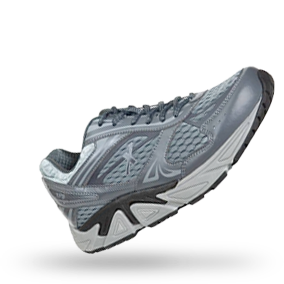
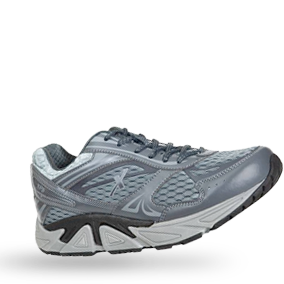
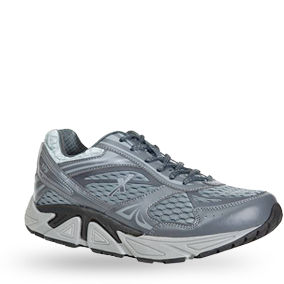
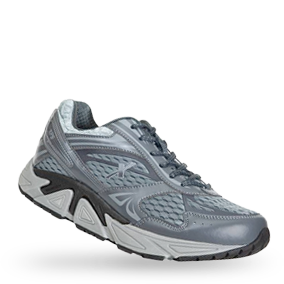
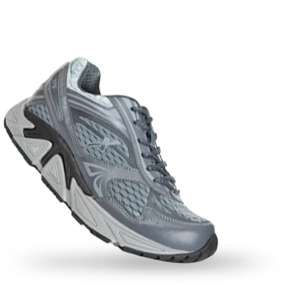
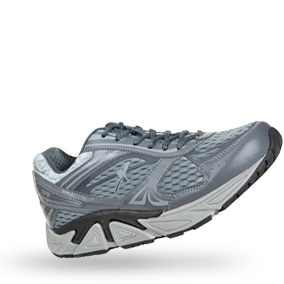
Xelero shoes are designed to combine stable cushioning, motion control, and a more secure walking experience. For people who need more than softness alone, that added stability can help make everyday movement feel more comfortable and supported.