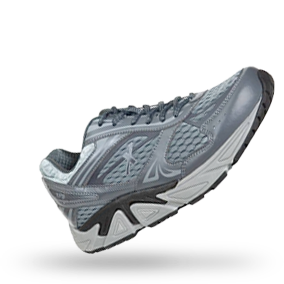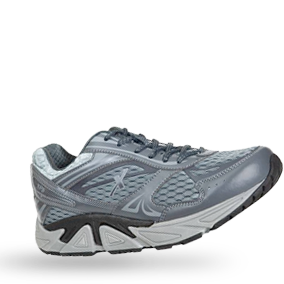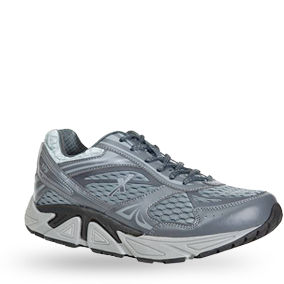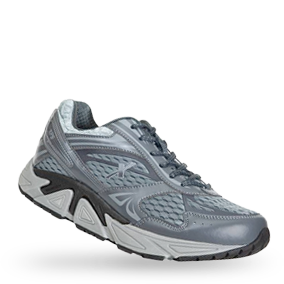
The wrong shoes can turn a short walk to the mailbox, a shift on your feet, or an afternoon with family into a painful calculation. Supportive shoes for arthritis cannot cure joint disease, but the right pair can reduce the stresses that make each step feel harder than it should. By improving stability, managing impact, and encouraging a more controlled gait, supportive footwear can help you stay more comfortable and confident in motion.
Arthritis affects people differently. Some feel it most in the toes or midfoot, while others manage arthritis in the ankles, knees, hips, or lower back. That is why shoe choice should focus less on a generic promise of softness and more on how the shoe supports your body through the full gait cycle.
Arthritis often brings joint pain, stiffness, swelling, and reduced range of motion. When a painful foot or ankle joint cannot move comfortably, your body may compensate. You might shorten your stride, shift weight to one side, or roll your foot differently to avoid discomfort. Those changes can place more strain on nearby joints.
A shoe that is overly flexible, worn down, narrow through the forefoot, or unstable underfoot can make that compensation worse. A very soft shoe may feel pleasant when you first put it on, yet still allow excessive foot motion that leaves your joints working harder. Likewise, a stiff shoe without proper cushioning or a natural forward transition can make walking feel abrupt.
The goal is not to immobilize your feet. It is to provide a stable, protective platform that helps reduce unnecessary motion and impact while allowing you to move forward more efficiently.
The best supportive shoes for arthritis combine several functional features. No single feature works for every person, but these elements are worth evaluating together.
A stable shoe begins with a supportive platform under the heel and midfoot. A broad base can help the foot feel more grounded, while a structured heel counter helps limit unwanted side-to-side movement. This matters when arthritis affects balance, ankle stability, or the way your foot loads during walking.
Motion-control features can be especially useful for people whose feet roll excessively inward or outward. By helping guide the foot into a more controlled position, the shoe may reduce strain traveling up the chain to the knees, hips, and lower back. The appropriate amount of control depends on your gait and comfort level. Too much correction can feel restrictive for some wearers, so the fit and feel still matter.
Every step sends force through the feet and into the joints above them. Cushioning helps soften that impact, particularly on sidewalks, tile floors, and other hard surfaces. For arthritis, cushioning should be protective but not so plush that you feel disconnected from the ground.
Look for a midsole that absorbs shock while maintaining a secure, level feel. A shoe that compresses too easily may lose its support quickly, especially for all-day walking. Durable cushioning and a stable geometry are often more helpful than chasing the softest possible sensation.
People with arthritis in the forefoot, big toe, ankle, or knee may find the push-off phase of walking uncomfortable. A shoe designed to support forward motion can help reduce the effort needed to move from heel strike through toe-off. This may come from the shape of the sole, a supportive midsole, or a rocker-inspired profile that promotes a smoother transition.
That forward movement should feel natural, not forced. Walk around in the shoes on a firm surface if possible. You want a transition that feels controlled and easy rather than tippy or overly rigid.
Swelling, bunions, hammertoes, and tender joints are common concerns for people with arthritis. A cramped toe box can create pressure exactly where you need relief. Shoes with adequate forefoot volume allow the toes to rest more naturally and reduce rubbing across sensitive areas.
Width is only one part of the fit. Pay attention to depth, too, particularly if you use custom orthotics or need extra room over the top of the foot. A secure heel and midfoot paired with appropriate toe room is usually more supportive than simply sizing up until the front feels loose.
Some people with arthritis benefit from a removable insole that can accommodate a prescribed orthotic or a more specialized insert. Others do best with the shoe’s built-in footbed. The right approach depends on the source of pain, foot shape, and recommendations from a podiatrist, physical therapist, or other qualified clinician.
If you use an orthotic, make sure it sits flat inside the shoe and does not raise your heel so high that the shoe becomes unstable or slips at the back. An insert should work with the shoe’s structure, not fight against it.
A well-engineered shoe will not deliver its intended benefits if it does not fit correctly. Arthritis symptoms can also change through the day, especially when swelling is involved. Try shoes later in the day when your feet are closer to their largest size, and wear the socks or orthotics you normally use for walking.
Your heel should feel secure without pinching. Your toes should have room to move without sliding forward, and the upper should not press on painful joints or prominent areas. Do not assume a break-in period will solve pressure points. Mild stiffness in a new sole may ease with use, but rubbing, numbness, or sharp pressure are signs that the fit is not right.
Laces, adjustable closures, and a well-designed upper can make a meaningful difference. They let you fine-tune the fit when swelling varies, helping the foot stay stable without being squeezed.
The most supportive shoe for a daily neighborhood walk may not be the best choice for hiking, running errands, or standing at work. Consider where and how long you will wear it.
For regular walking, prioritize stable cushioning, a controlled heel, and smooth forward motion. If you spend long periods standing on hard floors, dependable shock absorption and a secure fit become even more important. For trails or uneven ground, traction and lateral stability should move higher on the list. Sandals and slides can be useful for brief recovery time, but many lack the heel security and structure needed for extended walking with arthritis.
It can also help to rotate between two supportive pairs. Alternating shoes allows cushioning to rebound and gives you options for different activities. Replace footwear when the outsole is worn unevenly, the midsole feels flattened, or the shoe no longer holds your foot in a stable position.
Shoe selection is an important part of comfort, but persistent or worsening pain deserves attention beyond footwear. New swelling, redness, warmth, numbness, sudden changes in balance, or pain that limits normal activity should be discussed with a healthcare professional. A clinician can help identify whether joint changes, inflammation, nerve irritation, or another issue is contributing to your symptoms.
A podiatrist or physical therapist may also assess your gait and recommend the degree of support that fits your needs. This is particularly valuable if arthritis affects multiple joints, you have had foot surgery, or you are managing diabetes or circulation concerns.
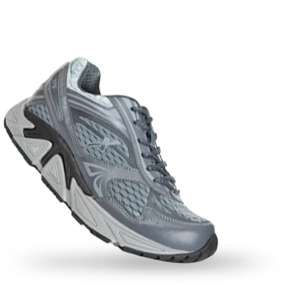
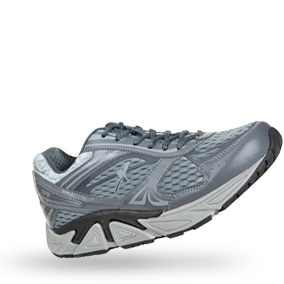
Xelero shoes are built around the idea that walking comfort should include purposeful support: motion control, cushioning, and a stable path forward. The best pair is the one that fits your feet, supports your daily movement, and makes it easier to keep doing the activities that matter to you.