How Supportive Shoes for Back Pain Help

Back pain rarely starts and stops in one place. Many people feel it in the lower back, but the problem is often influenced by what happens below it – at the feet, ankles, and through the rest of the gait cycle. That is why supportive shoes for back pain can make a meaningful difference. The right pair helps control motion, improve alignment, and reduce the repeated impact that travels upward with every step.

If you have ever noticed that your back feels worse after a long day of walking, standing on hard floors, or wearing flat shoes with little structure, that pattern is not random. Footwear affects how your body absorbs force and how steadily it moves from heel strike to toe-off. When shoes lack support, the feet can roll too far inward or outward, the ankles become less stable, and the knees, hips, and lower back may have to compensate.

Why footwear matters when your back hurts

Every step creates force. Your body is built to manage it, but it does that best when the foot is supported and the joints stay in a more efficient position. Shoes that are overly soft, too flexible, or unstable may feel comfortable for a few minutes, yet they often allow extra motion that increases strain over time.

Supportive footwear works differently. A more stable platform helps guide the foot through the gait cycle with less excess movement. Better cushioning helps reduce impact stress. A secure fit helps keep the heel and midfoot from shifting. Together, these features can lessen the mechanical stress that contributes to back fatigue and pain.

This does not mean shoes can fix every source of back pain. If your pain is related to a disc issue, spinal stenosis, arthritis, or an injury, footwear is only one part of the picture. But for many people, especially those with pain that worsens during walking or standing, the right shoes can improve comfort in a very practical way.

What to look for in supportive shoes for back pain

The most helpful shoes usually combine stability, cushioning, and controlled forward motion. It is the balance that matters. A shoe can be soft but unstable, or firm but harsh. The best choice supports alignment without feeling rigid or punishing.

Stable heel support

A firm heel counter helps hold the rearfoot in place. That matters because excessive heel movement can affect the way the foot lands and rolls forward. A more stable heel can help reduce the chain of compensation that travels up to the knees, hips, and lower back.

Motion control and alignment support

People with overpronation often benefit from shoes that limit excessive inward rolling. That control can improve how weight moves through the foot and reduce stress higher up the body. Not everyone needs maximum correction, though. If a shoe feels like it is forcing your foot into an unnatural position, it may create a different kind of discomfort. Support should feel guided, not intrusive.

Cushioning that absorbs impact without collapsing

Impact protection matters when you are dealing with back pain, especially on pavement, tile, or concrete. But ultra-plush cushioning is not always the answer. If the midsole compresses too easily, it can create instability and force the body to work harder to stay balanced. In many cases, moderate cushioning with a supportive base feels better over a full day than a very soft shoe.

A smooth, efficient transition

Shoes that help move the foot forward in a controlled way can reduce strain during walking. A design that promotes smoother heel-to-toe motion may decrease the effort required at each step, particularly for people who feel fatigue in the lower back after long periods on their feet.

Proper width and fit

Even the most supportive design will underperform if the fit is off. Shoes that are too narrow can alter the way you walk. Shoes that are too loose can create instability and friction. A secure fit through the heel and midfoot, with enough room in the toe box, usually gives the best combination of control and comfort.

The features that often make back pain worse

Some shoes work against the support your body needs. Very flat shoes with minimal cushioning can increase ground impact and reduce shock absorption. Slip-ons that let the foot slide around may lead to gripping and altered walking mechanics. Worn-out athletic shoes are another common issue. Once the midsole breaks down and the outsole wears unevenly, the shoe may no longer support a level, stable stride.

High heels are an obvious example, but they are not the only problem. Many casual shoes and even some running shoes prioritize softness or style over control. If your back hurts more at the end of the day, it is worth looking closely at the shoes you wear most often, not just the pair you use for exercise.

How different activities change what you need

The best shoe for back pain depends partly on where and how you use it. Walking shoes for daily wear should prioritize consistent stability, shock absorption, and all-day comfort. Running shoes may need more dynamic cushioning and guidance without sacrificing control. Hiking shoes usually require a more secure base and better traction, especially on uneven ground.

Standing for long shifts creates a different challenge than moving for exercise. In that case, pressure distribution and steady support may matter more than a highly responsive feel. If your back pain flares during errands, travel, or work, think about your most demanding real-life use case rather than shopping by category name alone.

When more support helps, and when it depends

There is no single formula for every person with back pain. Some people feel better in a highly structured motion-control shoe because they need more help limiting excess movement. Others do better in a supportive but slightly more flexible shoe that allows natural motion while still reducing stress.

Body weight, arch type, walking style, previous injuries, and even surface type all influence the right choice. Someone with low arches and noticeable overpronation may need more correction than someone with a neutral gait who mainly needs shock absorption. That is why comfort should be evaluated over time, not just in the first minute of trying shoes on.

A useful test is to pay attention to how your body feels after a normal day, not just how the shoe feels when standing still. Supportive footwear should help you finish the day with less fatigue through the feet, legs, and lower back. If a shoe feels fine at first but leaves you sore later, it may not be giving you the control or cushioning you need.

Supportive shoes for back pain and the full body connection

Back pain is often part of a chain reaction. If the foot collapses inward, the lower leg rotates, the knee tracks differently, the hip position changes, and the pelvis can be affected as well. Over hundreds or thousands of steps, those small mechanical changes add up.

That is why supportive shoes are not just about comfort underfoot. They are about creating a more stable foundation for the entire body. Brands focused on biomechanical performance, including Xelero, design around this principle by emphasizing motion control, impact reduction, and forward-moving stability rather than treating comfort as cushioning alone.

This approach can be especially helpful for people who are trying to stay active without aggravating pain. Walking for fitness, staying mobile during recovery, or simply getting through daily routines becomes more manageable when footwear supports the way the body is meant to move.

How to know when it is time to replace your shoes

Even excellent shoes have a lifespan. If the outsole is worn more on one side, the heel looks compressed, or the midsole feels flatter than it used to, support may be fading. You may also notice more back fatigue returning even though your routine has not changed.

For many people, replacing shoes before they look completely worn out is the better decision. Once support materials break down, your body starts absorbing more of the work. If you rely on your footwear to manage discomfort, waiting too long can erase the benefit.

A smarter way to shop for relief

If you are looking for relief, do not judge a shoe by softness alone. Look for a stable base, controlled support, dependable cushioning, and a fit that keeps your foot secure without pressure points. The goal is not just immediate comfort. It is better alignment and less stress with every step.

The right pair should help you walk farther, stand longer, and move through the day with less irritation in your lower back. That kind of support is not flashy, but it is often what keeps people active, consistent, and more comfortable where it matters most.

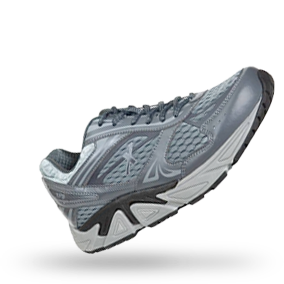
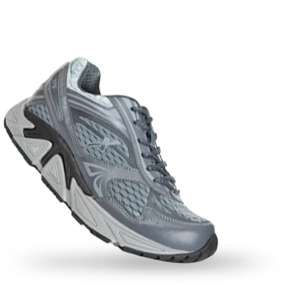
Picture of a Generic Xelero Shoe

MIDSOLE ABSORBS
IMPACT

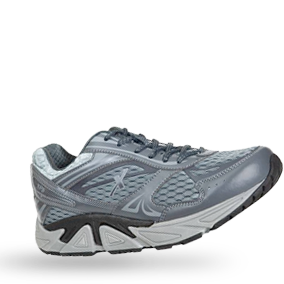
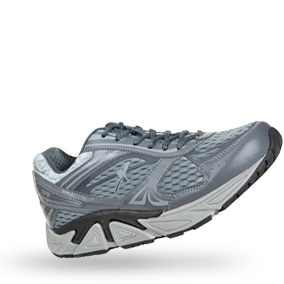
Picture of a Generic Xelero Shoe

PROMOTES FORWARD
MOTION

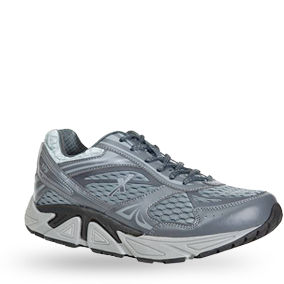
Picture of a Generic Xelero Shoe

CONTROL, GUIDANCE AND SHOCK ABSORBTION

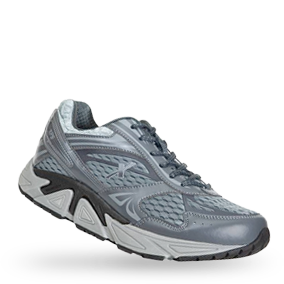
Picture of a Generic Xelero Shoe

FORWARD MOTION
CONTINUES

Picture of a Generic Xelero Shoe

STABLE AND REDUCED PRESSURE TOE-OFF

Picture of a Generic Xelero Shoe

ULTIMATE COMFORT THROUGHOUT GAIT CYCLE


FIND YOUR SHOES

Find Your Shoes
Gender
Shoe Size
Shoe Width