Returning to running after an injury feels different than beginning a new training plan. With that initial run back, there’s usually a touch of anxiety. You’re checking your stride, feeling every little sensation, hoping that old ache doesn’t return. If you’re one of the roughly 53% of runners who sustain a running-related injury each year, you are certainly not alone.
The key to finding the best running shoe after an injury is giving your body what it needs to regain confidence in movement. The right pair will offer the right balance of stability, cushioning, fit, and support for the way you move today.
But with so many options available, what should you really look for when choosing running shoes after injury?
A shoe that felt comfortable before you were injured may not feel as secure when you return to running. Your gait, strength, or stability may have changed, so your footwear may need to change with you.
That is why supportive running shoes may be worth considering. Look for a shoe that holds your heel in place, provides a stable platform for your midfoot, and allows your foot to move forward naturally.
They can be a good choice for runners who tend to overpronate or feel unstable. If you have a neutral gait, you might need less structure and can put more emphasis on cushioning, fit, and comfort.
When you’re returning from an injury, cushioning is important, but the most cushioned shoe isn’t necessarily the most supportive.
A well-designed midsole absorbs repetitive impact and provides a stable surface for landing and pushing off. That can really help out on recovery runs or when you’re building mileage slowly.
See what the shoe does when you turn, run downhill, or get tired. Sometimes a mix of softness and stability can appear more trustworthy than maximum softness alone.
Even the best running shoe won’t do you any good if it doesn’t fit correctly.
Your heel should feel nicely locked in, your midfoot should feel supported but not pinched, and your toes should have room to wiggle. A simple starting point is to leave roughly a thumb’s width between your longest toe and the end of the shoe.
Try shoes on with the socks you would wear running, and ideally later in the day when your feet are closer to their normal size due to activity.
Also think about width. A shoe that is too narrow will cause pressure, rubbing, or numbness. A shoe that is too wide will allow the foot to move around too much in the shoe. If you wear orthotics, check that the shoe has enough depth to fit them comfortably.
Your last injury may give you some clues as to where to concentrate your efforts. But shoes are no replacement for a professional diagnosis or rehabilitation.
For example:
The idea is not to pick a shoe based solely on the injury. Your current gait, running surface, mileage, and comfort are all important too.
If you can, walk or jog in the shoe before you buy it. Feel what it is like to actually move instead of judging it when you are standing still.
Ask yourself:
Good support is not fighting your step. Your shoe should feel secure enough so that you can focus on your running and not on your footwear.
Sometimes the problem is not choosing the wrong kind of shoe. It’s possible your current pair is just past its useful life.
Running shoes generally need replacing every 300-500 miles (500-800 kilometers), though the lifespan of a running shoe varies depending on mileage, terrain, running style, and shoe construction.
Check for:
If your shoes feel different with wear, they may not be providing the same support as when they were new.
One simple mistake after an injury is choosing shoes based on how you used to run.
Maybe you used to want a lightweight shoe for speedwork, but if you’re doing short recovery runs and gradually building your mileage back up, your priorities change. A more encouraging daily trainer might be a better match.
Your running surface matters as well. Trail runners need traction and stability on irregular terrain, while road runners might want smooth transitions and cushioning.
Select a shoe that suits your body and training needs right now, rather than trying to jump back into what worked before your injury.
Running continues to be popular, with more than 50 million Americans running or jogging in 2024. The worldwide running footwear market is forecasted to reach around $23.5 billion by 2026.
That growth means more footwear technologies and support options for runners to choose from. But more choice doesn’t always make it any easier to choose.
Focus on the features that match your gait, fit, running surface, and recovery needs at the moment rather than the latest release.
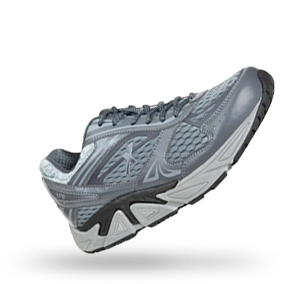
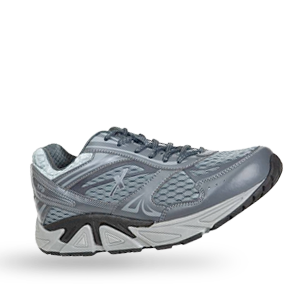
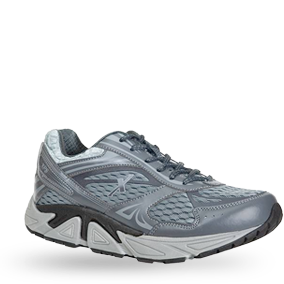
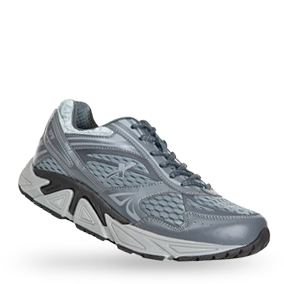
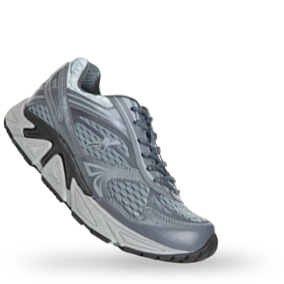
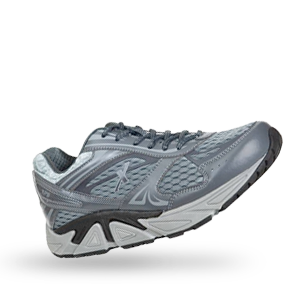
Xelero Shoes deliver impact absorption, motion control, and forward-moving stability to help make a more supportive environment for every step. Ready to find a shoe to match your movement? Explore Xelero Shoes to discover footwear designed around stability, support, and comfortable forward motion.