If you have ever been told you overpronate, you may have also been told that you need more supportive shoes. The challenge is that many people hear the term without fully understanding what it means or what kind of support they should actually be looking for.
Overpronation is common, and for many people, the right walking shoe can make a noticeable difference in everyday comfort. A better shoe can help create a more stable stride, reduce excess motion, and make walking feel less tiring over time. The key is knowing which features matter and which ones may work against you.
To understand overpronation, it helps to start with pronation itself. Pronation is the natural inward rolling motion of the foot that happens as you walk. This is a normal part of movement. It helps the foot absorb shock and adjust to the ground.
Overpronation happens when that inward rolling motion goes too far. Instead of moving through the stride in a balanced way, the foot may collapse inward more than it should. This can affect how force travels through the foot and up the body.
Not everyone with overpronation experiences pain, but the extra motion can sometimes lead to fatigue, instability, and discomfort, especially during long periods of walking or standing.
When the foot rolls inward too much, the rest of the body may have to compensate. Over time, that repeated motion can place more stress on the foot, ankle, and other joints involved in walking.
This may contribute to:
Even if the discomfort feels mild at first, these issues can become more noticeable as the day goes on. That is one reason choosing the right walking shoe matters so much.
Overpronation is not always obvious, but there are some common signs that may suggest your current shoes are not giving you enough support.
You may need a more supportive walking shoe if:
These signs do not always confirm overpronation on their own, but they can be useful clues that your feet may need more support and control during walking.
A supportive walking shoe can help reduce excess motion and support a more controlled stride. The goal is not to stop natural movement completely. It is to help the foot move in a more stable and efficient way.
That can make a big difference for people who spend a lot of time on their feet. Whether you are walking for exercise, working long shifts, traveling, or simply moving through your daily routine, the right shoe can help reduce strain and improve comfort.
Instead of focusing only on softness, it helps to think about how the shoe supports the foot from heel strike to toe-off.
When shopping for a walking shoe for overpronation, there are several features that are especially important.
People who overpronate often need more support than a basic neutral walking shoe provides. Motion control or stability features can help reduce excess inward rolling and create a more controlled walking experience.
These features are designed to improve support without making the foot feel unnaturally restricted.
Because overpronation often involves the foot rolling inward through the arch area, good arch support is important. A supportive midfoot can help reduce strain and make walking feel more comfortable over time.
Look for a shoe that feels supportive through the middle of the foot rather than flat or collapsible.
The heel plays a major role in how each step begins. A secure heel can help improve rearfoot stability and make the whole shoe feel more controlled.
When trying on shoes, pay attention to whether the heel feels secure or if it slips during walking.
Cushioning still matters, but it should not come at the cost of stability. Shoes that are too soft may allow too much motion and not enough control.
A better option is cushioning that feels:
A sole that bends or collapses too easily may not provide enough support for someone who overpronates. A more structured sole can help guide movement and make walking feel steadier.
This does not mean the shoe has to feel rigid. It just means it should offer enough structure to support better alignment during movement.
Some shoe features may work against you if your feet need more support.
It is often smart to avoid:
A shoe may feel comfortable for a few minutes in the store, but if it lacks support, the effects may show up later in the day.
Even a supportive shoe can fall short if it does not fit properly. A good walking shoe should feel secure through the heel and midfoot while still allowing enough room in the forefoot for comfort.
If the shoe is too loose, your foot may slide around and lose stability. If it is too tight, it may create other pressure points and discomfort. The right fit helps the support features actually do their job.
One of the biggest misconceptions about walking shoes is that the softest option is always the best one. For people who overpronate, comfort usually comes from the right mix of support, stability, and cushioning.
The best walking shoe should help you feel:
That balance of comfort and control is what often makes the biggest difference.
Overpronation is common, but that does not mean it should be ignored if it is affecting your comfort. The right walking shoe can help reduce excess foot motion, improve stability, and create a more supported stride for everyday movement.
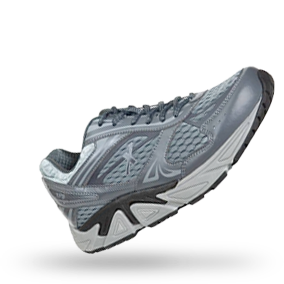
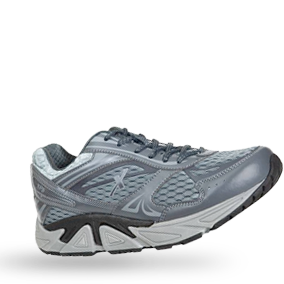
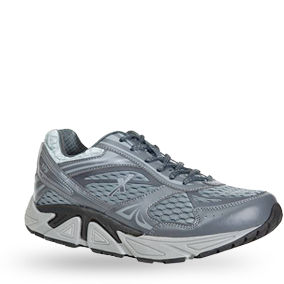
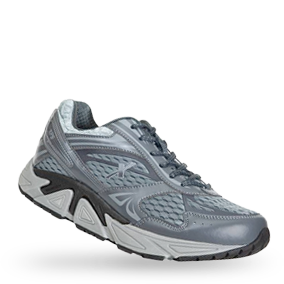
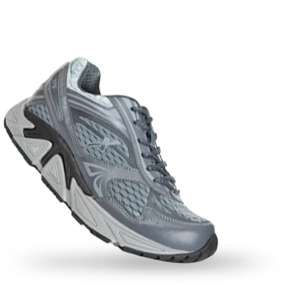
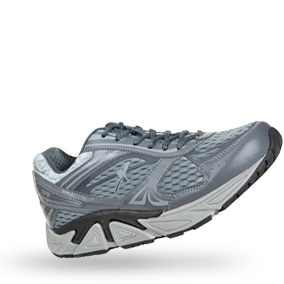
Xelero shoes are designed with motion control, stable cushioning, and a secure walking platform to help reduce excess foot motion and support smoother, more comfortable movement. For people who need more structure and control in a walking shoe, that added support can make a meaningful difference.