
Hallux rigidus can make every step uncomfortable by limiting movement in the joint at the base of the big toe. Xelero shoes combine stable cushioning, controlled motion, and forward-moving support to help reduce excessive forefoot bending and make walking more comfortable.
Hallux rigidus is a form of arthritis that affects the joint at the base of the big toe. It can cause pain, stiffness, swelling, and reduced range of motion, particularly when the foot bends forward during walking.
The big toe plays an important role during push-off. When the joint becomes stiff or painful, walking may feel uncomfortable and people may begin changing the way they step to avoid bending the toe.
Supportive footwear cannot reverse arthritis or address every underlying cause, but shoes that limit excessive forefoot bending, provide adequate toe room, and promote a smoother transition through each step may help make everyday movement more comfortable.
Shoes for hallux rigidus should help reduce unnecessary bending at the big-toe joint while still allowing the foot to move smoothly through the gait cycle.
Xelero footwear combines forward-moving technology with a stable platform and structured support.
Xelero’s internal rocker promotes forward motion through each step. This may reduce the amount of bending required at the big-toe joint during toe-off.
The cushioned midsole helps absorb impact while maintaining a supportive platform beneath the foot.
Xelero’s control technology helps stabilize and guide the foot throughout the gait cycle, helping reduce excessive or uncontrolled movement.
Select Xelero styles provide additional forefoot structure designed to limit flexion and promote a smoother transition through toe-off.
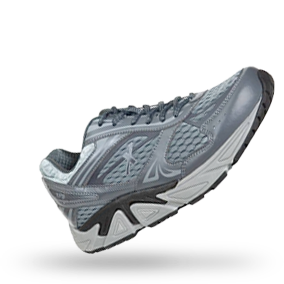
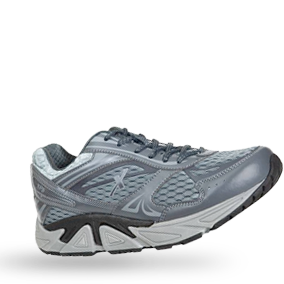
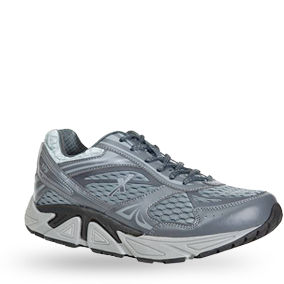
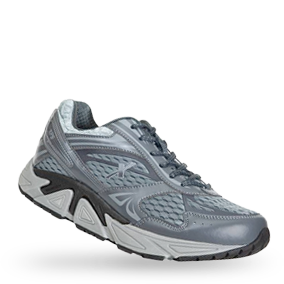
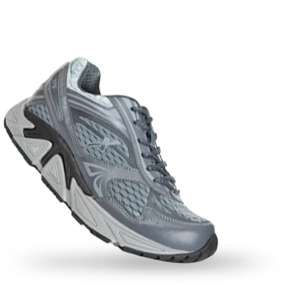
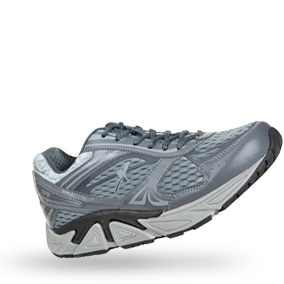
Explore Xelero styles designed to provide structured support, controlled forward movement, and reduced forefoot flexion.
Footwear for a stiff or painful big-toe joint should provide enough structure to reduce excessive bending without making walking feel unnatural.
A shoe that flexes heavily beneath the forefoot may require the big toe to bend more during push-off.
Shoes that squeeze the forefoot or place pressure on the top of the big-toe joint may increase discomfort. There should be enough room for the toes without allowing the foot to slide excessively inside the shoe.
Understanding how big-toe stiffness affects walking can make it easier to choose supportive footwear. Explore the Xelero Learning Center for more information about rocker soles, forefoot stability, motion control, orthotics, and comfortable everyday walking.
Look for shoes with a structured or rocker-style sole, stable cushioning, adequate toe room, and support that reduces excessive bending through the forefoot. The appropriate footwear depends on the severity of your symptoms and recommendations from your healthcare professional.
Highly flexible shoes may require more movement at the big-toe joint during push-off. When that joint is stiff or arthritic, repeated bending may increase discomfort.
A rocker-style sole encourages the foot to roll forward through the step rather than requiring as much bending at the big toe. This can make walking more comfortable for some people with limited big-toe motion.
Adequate room around the toes can help prevent pressure against a swollen joint or bone spur. The shoe should be roomy without allowing the foot to move excessively.
Many Xelero styles include removable footbeds and extra interior depth to accommodate orthotics. Consult your healthcare professional if you have been prescribed a specific device.
The Steadfast is especially relevant because its X2 Dynamic Metatarsal Roll Bar is designed to limit forefoot flexion. The Matrix provides a wider, stable platform, while styles such as Nellie and Genesis II combine Xelero’s internal rocker with cushioning and controlled forward motion.