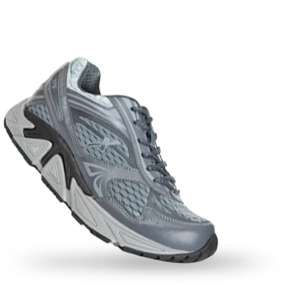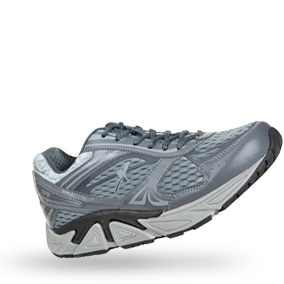
At last you find an orthotic that feels right, and then the next question pops up: Which shoes will actually work with it? This is a common concern, especially if you’re looking at a shoe that’s designed for stability and motion control.
And the answer is yes, orthotics and motion control shoes can work hand in hand. For many people, that’s just what their feet need. The trick is the right mix of fit, depth, and support. Your foot shape, gait, orthotic design, and daily activities all factor into the best combination.
Motion-control shoes are made to control foot motion while walking or running. They usually feature a stable base, structured heel, supportive midsole, and geometry to help guide the foot through the gait cycle.
An orthotic is more specific to the type of foot you have. Depending on the type, it may support the arch, redistribute pressure, improve foot positioning, or accommodate a specific biomechanical need.
That means orthotics and motion control shoes aren’t necessarily competing forms of support. When the shoe provides the right environment for the orthotic, they can work together.
Yes. Often they can, especially if the shoe has enough room inside of it and the orthotic is suited to that amount of support.
The biggest issue is fit.
A prescribed orthotic takes up space in the shoe. If the shoe is too shallow, narrow, or poorly structured, the orthotic can lift your foot too high, crowd your toes, create pressure around the arch, or cause your heel to slip.
That is why an orthotic-friendly motion-control shoe should ideally offer:
If the shoe and orthotic work as a system, your foot should feel supported without feeling trapped.
Some people who wear orthotics may prefer a neutral but supportive shoe because their orthotic is already giving them the control they need. Others may want additional stability from the shoe itself.
Think of it like this: the orthotic is fitted to your foot, and the shoe is the platform underneath. If the platform is unsteady, the orthotic must work on a moving base.
On the other hand, an overly aggressive combination may feel restrictive. But if your orthotic already provides a lot of correction, and then the shoe adds a second strong layer of control, your foot might not move comfortably.
Don’t judge a shoe by its cushioning alone when comparing motion control shoes to orthotics. A soft shoe may feel wonderful for five minutes and then become unstable after a few hours.
Instead, pay attention to four areas.
Twist the shoe gently at the heel and forefoot. A supportive shoe will not fold or twist easily, but will resist excessive torsion.
A broad heel and forefoot base can also provide a more dependable platform under your foot.
When you walk, your heel should be held comfortably in place. A structured heel counter can lock in unwanted movement and give the orthotic a more consistent base.
This is one of the most helpful features for orthotic users. Removing the original footbed can provide the extra depth you need to accommodate a custom orthotic.
Always ensure the orthotic is flat and doesn’t raise the heel or push the toes toward the front of the shoe.
Try the shoes on with your actual orthotics in them. Walk on a hard surface and feel your heel, arch, toes, and top of the foot. Any rubbing, pressure, or sliding is worth testing out before you commit to the pair.
The increase in orthotics is part of a larger trend in customized footwear and foot support.
According to Mordor Intelligence, the global foot orthotic insoles market is estimated at $4.52 billion in 2026 and is expected to reach $6.33 billion by 2031. Custom orthotic insoles represented 54.62% of the market share in 2025. The sports & athletics segment is expected to grow at a CAGR of 9.05% by 2031.
Those numbers point to what many walkers already know: people are paying more attention to how footwear fits their individual needs.
Xelero Shoes builds shoes based on the idea that support should be an extension of the way your body moves.
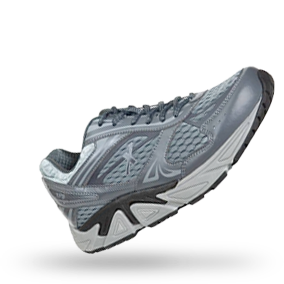
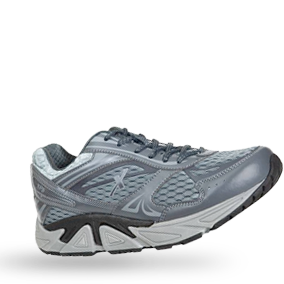
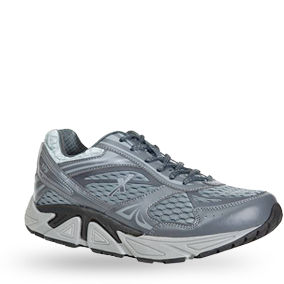
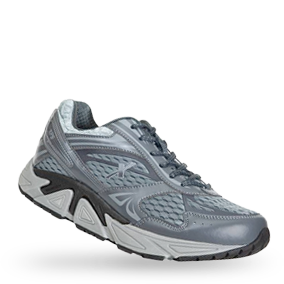
Several Xelero styles do offer extra depth and a removable footbed to accommodate custom orthotics. The footwear also offers stability with cushioning and forward-motion technology.
Xelero’s Carbon Nylon Control Plate helps provide stability and reduce pressure under the foot. Propulsion Element helps provide stability, control, and forward movement. Heel and forefoot gel pads absorb shock without making cushioning the only thing in focus.
This combo is especially crucial if you’re searching for the best walking shoes with orthotics. The shoe has to do more than just fit the insert. It should give a stable, comfortable foundation for everyday movement.
Not necessarily. It depends on the individual combination.
If you’re wearing a custom orthotic, especially if it’s been prescribed for a specific condition or alignment concern, it’s a good idea to check with your podiatrist or qualified shoe person before pairing it with a high-structure motion-control shoe.
You should also reassess the combination if you notice:
If you have ongoing pain or dramatic changes to your gait, it is better to have a professional evaluation than just add more support.
The combination of the right shoe and orthotic should feel stable, comfortable, and natural. Your orthotic should fit securely, and the shoe should give your feet the structure, control, and cushioning they need without limiting your movement.
Explore Xelero Shoes and discover motion control footwear that provides stability, support, shock absorption, and forward motion – all the benefits your orthotics need for a solid foundation with every step.
Q: Can you wear orthotics in motion control shoes?
A: Yes, if the orthotic is removable and the shoe has enough internal space to allow the orthotic to sit comfortably without cramming the foot or affecting the fit.
Q: Do motion control shoes work with orthotics?
A: Most well-designed motion control shoes will have extra depth, a removable factory insole, and a secure adjustable upper to accommodate orthotics.
Q: What should I look for in the best walking shoes with orthotics?
A: Look for extra depth, a removable insole, a wide toe box, a firm heel counter, and a lace-up or adjustable closure rather than a slip-on style.
Q: Will an orthotic make a motion control shoe feel too tight?
A: It can, if the shoe doesn’t have enough internal depth. Always try the shoe on with your orthotic in place before assuming it fits correctly.
Q: Should I see a podiatrist before combining orthotics and motion control shoes?
A: A podiatrist can help you identify the right combination for a diagnosed foot condition, if you have large asymmetry between your feet or ongoing pain.