
Metatarsalgia can cause aching, burning, or sharp discomfort in the ball of the foot, making it harder to walk, stand, and stay active. Xelero shoes combine stable cushioning, controlled motion, and forward-moving support to help reduce pressure beneath the forefoot and provide greater comfort with every step.
Metatarsalgia refers to pain or irritation in the ball of the foot, directly behind the toes. It may feel like an ache, a burning sensation, or as though there is a small pebble inside your shoe.
The discomfort often becomes more noticeable during walking, running, exercise, or long periods of standing. Several factors can contribute to forefoot pain, including repetitive impact, narrow or poorly fitted shoes, high arches, bunions, hammertoes, and changes in the way weight moves across the foot.
Supportive footwear cannot address every underlying cause, but it may help reduce the pressure, impact, and excessive movement that can aggravate the area.
Shoes for metatarsalgia should do more than provide soft cushioning.
They should also help control movement, reduce excessive forefoot bending, and guide the foot through a smoother heel-to-toe transition.
Xelero’s internal rocker helps move the foot forward through each step. This may reduce the amount of bending required at the forefoot during toe-off
The cushioned midsole helps absorb impact while maintaining a stable and supportive platform beneath the foot.
Xelero’s control plate helps guide the foot through the gait cycle, improve stability, and offload pressure beneath sensitive areas.
Select Xelero styles include technology designed to limit excessive forefoot flexion and provide additional support beneath the metatarsal area.
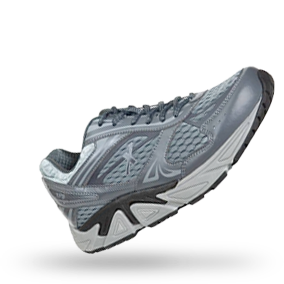
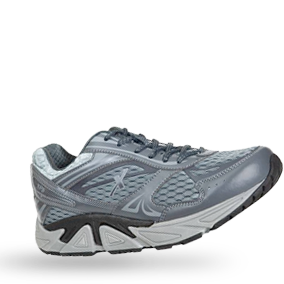
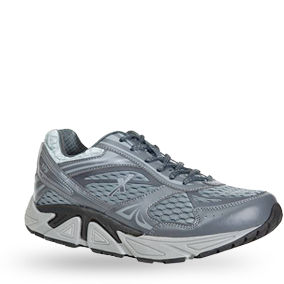
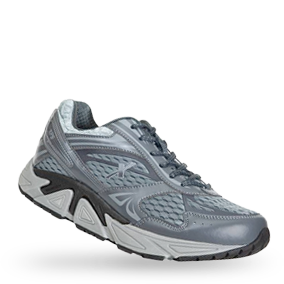
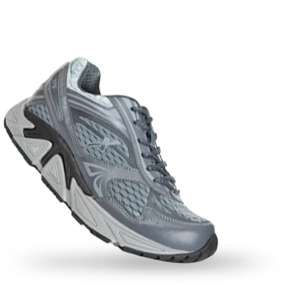
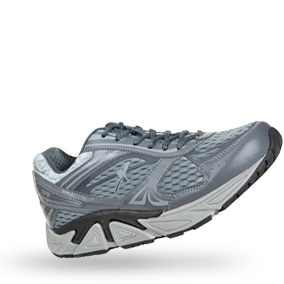
Explore Xelero styles designed to provide stable cushioning, controlled movement, and greater support beneath the forefoot.
The best footwear for ball-of-foot discomfort should provide a balance of cushioning, structure, and fit. Excessively soft shoes may feel comfortable at first but may not provide enough stability or control.
The correct width is especially important.
A shoe that is too narrow may increase pressure across the forefoot, while a shoe that is too loose may allow the foot to move and slide inside it.
Understanding the cause of your discomfort and the role footwear can play can help you make a more informed choice. Explore these articles from the Xelero Learning Center for more information about forefoot pain, supportive shoe features, and everyday walking comfort.
Look for shoes with stable cushioning, adequate room across the forefoot, a structured sole, and support that helps reduce excessive bending and pressure beneath the ball of the foot. Rocker-style soles may also help promote a smoother transition through each step.
Supportive footwear may help reduce the impact, pressure, and uncontrolled movement that aggravate forefoot discomfort. The appropriate shoe depends on the underlying cause of the pain.
A rocker design helps guide the foot forward during walking. This may reduce the amount of bending required near the ball of the foot during toe-off.
Not necessarily. Cushioning should absorb impact while still providing a stable foundation. Shoes that are extremely soft may allow excessive movement or fail to provide adequate support.
Many Xelero styles include removable footbeds and extra interior depth that may accommodate orthotics. Shoppers should review the details for each style and consult their healthcare professional when appropriate.
The Steadfast II is particularly relevant because it includes a Dynamic Metatarsal Roll Bar designed to limit forefoot flexion and pressure. The Matrix may be suitable for those who need a wider base, greater motion control, or additional interior depth.