A toe that goes numb halfway through a walk is more than a minor annoyance. It can change how you step, make you cut an activity short, and leave you wondering what causes shoe toe numbness when the shoe otherwise feels comfortable. In many cases, the issue is pressure: pressure from the shoe, from swelling in the foot, or from the way your foot moves inside the shoe with every step.
Numbness is your body’s signal that a nerve is being compressed, irritated, or not receiving normal circulation. The right response depends on when it happens, which toes are affected, and whether it improves after you take your shoes off. A better fit can often make a meaningful difference, but persistent or worsening numbness deserves medical attention.
Toe numbness in shoes usually comes down to limited space, repeated friction, or uneven loading during movement. A shoe may feel acceptable when you first put it on, then become restrictive after several miles, a long workday, or time spent standing. Feet naturally expand with activity and warmth, so a fit that is marginal at the start can become a problem later.
The location of the numbness can offer useful clues. Numbness in the smaller toes may point to a narrow forefoot or side pressure. Numbness between the third and fourth toes can occur when a nerve in the ball of the foot becomes irritated. A numb big toe may be related to pressure across the top of the shoe, a cramped toe box, or a change in foot mechanics. These patterns are not a diagnosis, but they can help you assess what needs to change.
The toe box is the front section of a shoe, and it needs to provide both width and vertical room. When it is too narrow, the toes are pushed together and the sides of the forefoot are compressed. When it is too shallow, the tops of the toes may rub or press against the upper, especially if you have hammertoes, bunions, swelling, or naturally high-volume feet.
Length matters too. If your longest toe is close to the front of the shoe, every downhill step or forward stride can force it into the toe box. Many people assume a shoe fits because the heel feels secure, but a secure heel does not make up for inadequate room at the forefoot.
Foot size is not fixed throughout the day. Walking, running, heat, pregnancy, certain medications, and long periods of standing can all contribute to swelling. This is why shoes that feel fine in the morning may cause tingling or numbness by late afternoon.
For walking, hiking, or running shoes, try them on later in the day and wear the socks you plan to use during activity. You should be able to wiggle your toes freely, with roughly a thumb’s width between your longest toe and the front of the shoe. The shoe should hold the midfoot and heel securely without squeezing the forefoot to create that stability.
Tight lacing can compress nerves and blood vessels across the top of the foot. This is especially common when a shoe has a low-volume upper, a stiff tongue, or a snug instep area. The sensation may start as tingling in the toes and progress to numbness as activity continues.
Before replacing a shoe, try adjusting the laces. Loosen the lower eyelets slightly, reduce pressure over the top of the foot, and keep the heel secure with the upper eyelets. If loosening the laces solves the problem but makes the shoe feel unstable, the model may not have the volume or shape your foot needs.
A foot that slides forward inside the shoe can jam the toes at every step. This is common during downhill walking and hiking, but it can also happen in shoes with an overly roomy heel or insufficient midfoot containment. On the other hand, a shoe that is too stiff or too restrictive may limit normal foot motion and create pressure in a different area.
Gait mechanics also matter. If the foot rolls excessively inward, outward, or collapses through the arch during loading, pressure may concentrate at the forefoot rather than being distributed more evenly. Over time, that repeated loading can irritate the nerves that run between and beneath the toes. A supportive shoe should not simply feel soft. It should provide a stable platform that helps guide the foot through the gait cycle while leaving appropriate room for the forefoot.
A frequent cause of persistent numbness or burning between the toes is irritation of a plantar nerve in the ball of the foot. One commonly discussed example is Morton’s neuroma, which often creates burning, tingling, numbness, or the feeling of standing on a folded sock or small pebble. Tight, narrow, or high-heeled shoes can aggravate these symptoms because they increase pressure at the forefoot.
This does not mean every numb toe indicates a neuroma. Arthritis, prior injury, calluses, toe deformities, and stress reactions can also alter how weight moves through the foot. A clinician or podiatrist can evaluate recurring symptoms and determine whether footwear changes, inserts, activity modifications, or other treatment may help.
Timing is often the first clue. If numbness begins only in a specific pair of shoes and fades soon after you remove them, fit or pressure is likely contributing. Check your foot for red marks, blisters, calluses along the little-toe side, or toenails that repeatedly hit the front of the shoe. These signs suggest that your foot does not have enough space or is moving poorly within the shoe.
Pay attention to the type of activity as well. Numbness that appears on long walks may reflect swelling and repetitive impact. Numbness during descents can point to sliding forward. Symptoms that occur while sitting, barefoot, or at night are less likely to be caused only by the shoe and should be discussed with a healthcare professional.
It also helps to inspect the shoe itself. A worn-out midsole can lose its ability to cushion impact and support stable movement. An uneven outsole may change your stride. Even a shoe that once fit well can become less effective as its materials compress and its structure breaks down.
Look for a shoe that fits the shape of your foot, not just your usual size on the label. The forefoot should have enough width for your toes to rest naturally rather than overlap or press against one another. If one foot is larger, fit the larger foot. If you use orthotics or supportive inserts, try them in the shoe before deciding on size and volume.
For people who walk or stand for long periods, support and cushioning need to work together. A highly soft shoe may feel pleasant initially but may not offer the stability needed to control excessive motion. Conversely, a firm, structured shoe that lacks adequate forefoot room can still lead to numbness. The goal is secure heel and midfoot support, shock absorption underfoot, and a toe box that does not restrict toe movement.
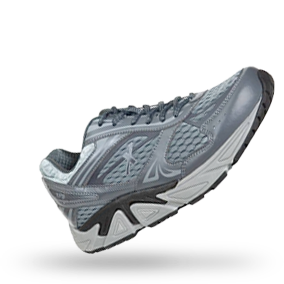
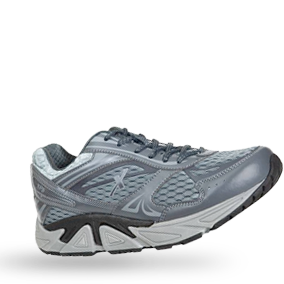
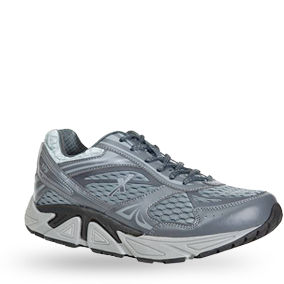
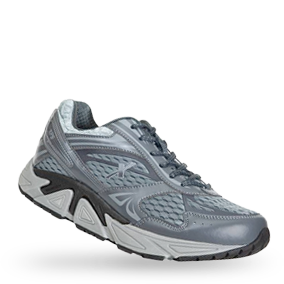
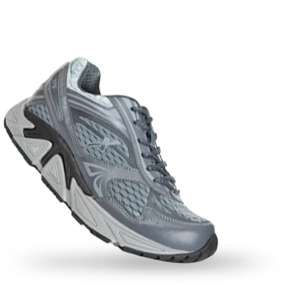
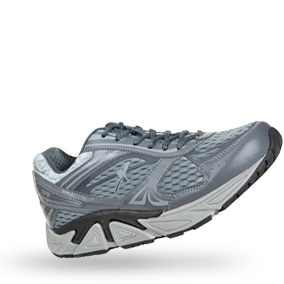
Motion-control footwear can be particularly useful when unstable foot movement contributes to repeated forefoot stress. Xelero shoes are designed to support alignment and forward motion while helping reduce impact forces, which can be valuable for people seeking dependable comfort for walking, daily activity, and recovery. Still, even the most supportive design must be properly sized and matched to your foot shape.
Do not assume all numbness is a footwear issue. Make an appointment with a qualified healthcare professional if numbness persists after changing shoes, keeps returning, becomes painful, or affects your balance. Prompt evaluation is especially important if you have diabetes, peripheral neuropathy, circulation concerns, back problems, or a history of foot injuries.
Seek urgent care for sudden numbness with weakness, severe swelling, skin color changes, a cold foot, or numbness that follows a significant injury. Those symptoms may signal a problem that should not wait for a shoe adjustment.
A well-fitting shoe should support your movement without making you lose feeling in your toes. If your feet start talking through tingling or numbness, treat that feedback as useful information: create more room, reduce pressure, improve stability, and get professional guidance when the signal does not go away.