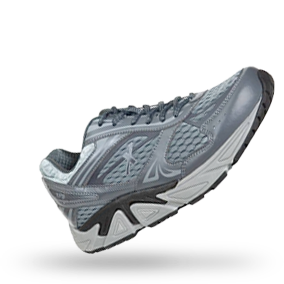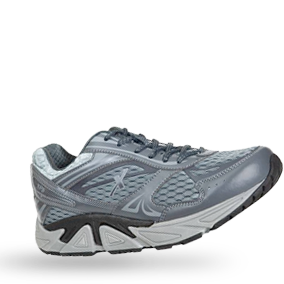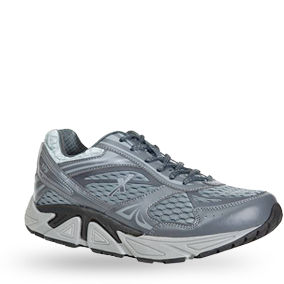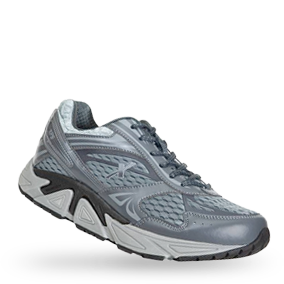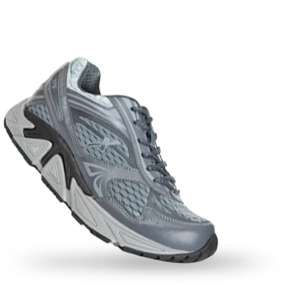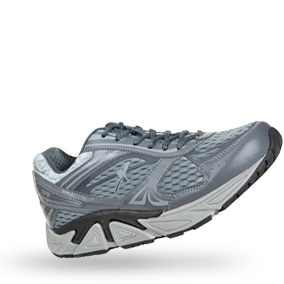
A run can feel fine for the first mile and still leave your feet, knees, hips, or lower back complaining later that day. That delayed discomfort is often where a supportive running shoes review becomes useful. The right shoe is not simply soft underfoot. It should help your foot land with greater control, reduce unnecessary side-to-side movement, and make forward motion feel more natural from the first step to the last.
For runners who need more than a standard neutral trainer, support is not a luxury feature. It can be the difference between maintaining a consistent routine and constantly managing soreness. The best choice depends on how your body moves, where you feel stress, and how the shoe performs after real miles, not just a few comfortable steps in a store.
A truly supportive running shoe should work with the gait cycle rather than merely adding firmness under the arch. During a run, your foot absorbs impact, moves through stance, and pushes off. If the foot rolls inward too far, collapses through the midfoot, or shifts excessively within the shoe, that motion can place added stress farther up the kinetic chain.
Supportive footwear is designed to manage those forces. Depending on the runner, that may mean a more structured heel, guidance through the midsole, a stable platform, or a geometry that encourages smoother forward movement. A shoe can have all of these elements and still be wrong for you if it feels restrictive, presses on a sensitive area, or changes your stride in an uncomfortable way.
When reviewing support, four areas deserve attention: stability, cushioning, fit, and durability. They work together. A firm heel counter may help keep the rearfoot centered, but it cannot compensate for a narrow toe box that makes your foot feel cramped. Deep cushioning can soften impact, but an overly soft platform may feel unstable for someone who needs dependable guidance.
The strongest sign of a supportive shoe is a secure, predictable ride. Your heel should not slide up or drift from side to side, especially when cornering, walking downhill, or becoming fatigued near the end of a run. The base should feel broad enough to support your foot without creating a bulky or awkward sensation.
Look at how the shoe handles your natural movement. Some runners benefit from noticeable motion control, particularly if they overpronate significantly or have a history of pain related to poor alignment. Others may only need moderate guidance and a stable platform. More control is not automatically better. If a shoe feels like it is pushing your foot into an unfamiliar position, it may create a new source of discomfort.
A useful at-home check is to stand on one foot in each shoe, then perform a few gentle knee bends. Notice whether the platform feels steady and whether your foot remains centered. This does not replace a full running test, but it can reveal an unstable heel or a shoe that feels too narrow through the base.
Cushioning is often the first feature shoppers notice, but its quality matters more than its thickness. For runners managing joint discomfort, adequate shock absorption can help make repetitive impact feel less punishing. Yet cushioning should recover consistently and provide a stable surface for landing and toe-off.
Very plush foam can be appealing for recovery days, walking, and easy mileage. For some people, however, it may feel less secure during turns or when fatigue affects balance. A supportive running shoe should offer enough protection for your typical distance and surfaces while maintaining a grounded, controlled feel.
Consider where and how you run. Road runners may prefer a smooth, cushioned transition on pavement. Those who run on uneven paths need traction and a platform that remains composed when the surface changes. If your running routine includes both walking and running, a shoe with structured comfort can provide more reliable all-day use than a race-focused model built only for speed.
A supportive design only works when the shoe fits correctly. Your heel should feel held in place, the midfoot should feel secure without pressure, and the toe box should allow your toes to spread naturally. A thumb’s width of room in front of the longest toe is a practical starting point, especially because feet can swell during longer runs.
Pay attention to width as carefully as length. A shoe that is too narrow can create rubbing, numbness, or pressure on bunions and sensitive joints. A shoe that is too wide can allow the foot to shift, reducing the benefit of its stability features. People who use orthotics should also check whether the insole is removable and whether the shoe has enough depth to accommodate an insert without crowding the foot.
Try on running shoes later in the day when your feet are closer to their typical activity size. Wear the socks you normally run in, lace the shoe fully, and walk or jog enough to assess heel hold. Comfort should not require a long break-in period. A supportive shoe may feel more structured than a casual sneaker, but it should not cause sharp pressure, tingling, or pain.
A short test run tells you more than standing at a mirror. Start with an easy, familiar route rather than a hard workout or long-distance effort. Your goal is to notice how the shoe behaves during ordinary movement.
Watch for changes in your stride. Does your foot feel more centered at landing? Does the shoe roll forward smoothly, or does it feel stiff and difficult to move through? Can you maintain a relaxed gait, or are you thinking about the shoe with every step? The best support often feels quiet. It does its job without demanding your attention.
After the run, check for useful feedback. Mild muscle adaptation can happen when changing to a more supportive platform, especially if you have been wearing worn-out or minimally structured shoes. Persistent pain, new numbness, rubbing, or increased discomfort in the knees, hips, or back are different signals. Stop using a shoe that causes pain rather than assuming your body will simply adjust.
Keep an eye on how the shoe performs over several runs. A durable supportive model should retain its shape and feel stable as the miles add up. If the midsole quickly feels uneven, the heel begins to collapse, or the outsole wears dramatically on one edge, the shoe may no longer provide the control you need.
Supportive running shoes can be a strong option for runners who notice their ankles rolling inward, feel unstable on impact, or regularly experience foot fatigue after shorter distances. They are also worth considering for people returning to activity after time away, runners carrying extra body weight, and adults whose daily mobility is affected by foot, knee, hip, or lower-back discomfort.
They are not limited to people with a formal diagnosis. Many active adults simply prefer a more secure ride because it helps them walk, run, and recover with less strain. That said, recurring or severe pain deserves individualized guidance from a qualified health professional. Footwear can support better movement, but it cannot diagnose or treat an injury on its own.
Xelero approaches support with this practical distinction in mind: cushioning matters, but alignment, motion control, and a stable forward-moving design matter too. For the runner who has been settling for shoes that feel soft but leave them sore, those functional details are often the ones that change the experience.
The most supportive shoe is not necessarily the firmest shoe on the shelf. A runner with mild instability may do well in a stable daily trainer with moderate structure. Someone with pronounced overpronation, balance concerns, or a history of repeated discomfort may need more substantial motion control and a deeper, more accommodating fit.
Your current shoes offer clues. If one side of the outsole wears much faster than the other, your heel counter has become visibly compressed, or your feet feel tired before your breathing does, it may be time to reassess both the condition and type of shoe you wear. Running shoes do not need to look destroyed to lose their ability to cushion and guide movement.
It also helps to separate your goals. A lightweight shoe for occasional speed sessions may be appropriate, while a more supportive model can be the better choice for daily training, recovery runs, walking, or long periods on your feet. Rotating footwear can make sense if each pair has a clear purpose and both fit well.
A good supportive running shoe should leave you feeling capable, not cautious. Choose the pair that keeps your foot secure, lets your stride move naturally, and makes it easier to show up for tomorrow’s miles.