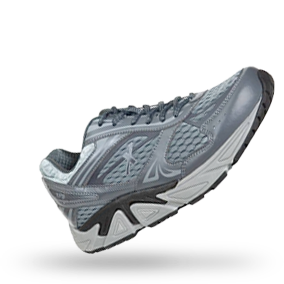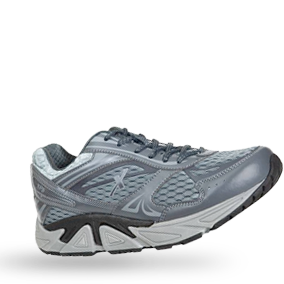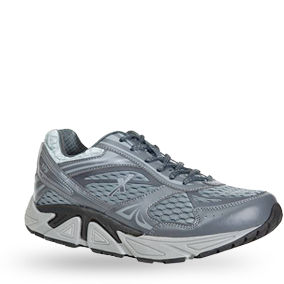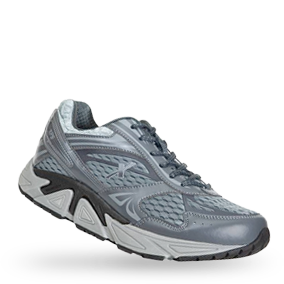
A sandal can feel soft the moment you put it on and still leave your feet, knees, or lower back more tired by the end of the day. Stability sandals are built for the longer test: keeping your foot supported through each step, whether you are walking the dog, standing at an outdoor event, recovering after exercise, or moving around the house.
For people who need more than a thin sole and a loose strap, the difference is often noticeable. A supportive sandal can help create a steadier platform underfoot, reduce excessive motion, and make warm-weather comfort feel more dependable rather than temporary.
Traditional casual sandals are often designed around minimal materials and an easy, open feel. That may work for short trips, but it can leave the foot doing too much work. When the sole bends easily, the heel shifts, or the arch is unsupported, the foot may roll inward or outward more than it should during the gait cycle.
Stability sandals are designed with structure. Their goal is not to immobilize your foot. Instead, they help guide it into a more supported position from heel strike through toe-off. The best designs combine a stable base, contoured footbed, secure upper, and cushioning that absorbs impact without feeling unstable.
That combination matters because every step affects more than the foot. Poor alignment or uncontrolled motion can place added stress on the ankles, knees, hips, and lower back. A well-designed sandal cannot solve every source of discomfort, but it can provide a more supportive foundation for daily movement.
A supportive footbed should follow the natural shape of the foot rather than remain completely flat. Arch support helps distribute pressure more evenly across the foot, while a defined heel area can help limit side-to-side movement. This is particularly valuable for people who overpronate, have flat feet, or notice fatigue after spending time on hard surfaces.
Firm does not have to mean hard. The goal is supportive cushioning that resists collapsing under body weight. An overly soft sandal may feel comfortable at first but allow the foot to sink and shift with every step. For many walkers, a balanced footbed offers better comfort over several hours.
The heel is where each step begins. A wide, well-structured heel platform can improve contact with the ground and help create a more controlled landing. Look for a base that feels planted rather than narrow, wobbly, or excessively elevated.
Some people assume a thick sole automatically provides stability. Thickness can add cushioning, but the shape and density of the midsole matter just as much. A high stack that feels soft or rounded may be less stable than a lower, firmer sandal with a broad base.
Open footwear should not require your toes to grip the footbed to keep the sandal in place. When a sandal slides around, your foot muscles may work harder, which can contribute to fatigue and discomfort.
Adjustable straps across the forefoot, instep, and heel can make a meaningful difference. They allow you to create a secure fit without squeezing sensitive areas. A back strap is especially helpful for longer walks, uneven ground, or anyone who needs more control than a slide can provide.
Hard sidewalks, tile floors, and packed trails send impact forces upward with every step. Quality cushioning helps lessen that repeated stress, but it should work alongside a stable platform. Think of it as controlled protection: enough shock absorption to soften the ride, with enough structure to maintain alignment.
For people managing heel pain, joint discomfort, or general fatigue, this balance is often more useful than chasing the softest possible sandal.
Stability footwear is not reserved for one diagnosis or age group. It can be a practical choice for anyone whose daily routine includes substantial time on their feet. Walkers may appreciate the added control on neighborhood routes. Travelers may want a sandal that remains comfortable through airports, sightseeing, and long days of standing. Hikers may use supportive sandals for camp, recovery, or warm-weather terrain when conditions allow.
They can also be useful for people who notice recurring foot, knee, hip, or lower-back discomfort in less supportive footwear. If your flip-flops leave your arches aching, your calves tight, or your knees sore, the issue may be the lack of structure beneath your feet.
That said, sandals are not the right choice for every activity. Running, demanding hikes, wet or technical terrain, and work environments that require toe protection call for purpose-built shoes. Stability sandals work best when the activity, surface, and weather suit open footwear.
Start with how and where you will wear them. A sandal for errands and recovery may prioritize easy entry and plush underfoot comfort. A sandal for regular walks should offer a more secure heel hold, durable outsole traction, and enough structure to stay comfortable over distance.
Next, consider your foot shape and personal pressure points. If you have a high instep, adjustable straps can prevent rubbing. If your feet swell during the day, extra adjustability gives you room to fine-tune the fit. If you wear orthotics in closed shoes, look for a sandal with built-in arch and heel support rather than expecting a flat footbed to provide the same level of control.
Fit deserves more attention than many shoppers give it. Your heel should sit securely in the heel area without hanging over the edge. Your toes should have room without extending beyond the front of the sandal. The straps should hold the foot in place but not leave deep marks or create numbness. Walk on a hard surface if possible and notice whether your foot stays centered over the sole.
Traction is another practical consideration. Deep, durable outsole patterns can provide better grip on dry pavement, pool decks, packed paths, and everyday surfaces. No sandal is slip-proof, so use added caution on wet, loose, or uneven ground.
A supportive sandal is most helpful when it replaces the footwear that repeatedly causes strain. If you tend to reach for thin flip-flops around the house, consider using a more structured pair during long periods of standing, cooking, cleaning, or walking outside. Those short, repeated trips add up over the course of a day.
Give your feet time to adjust if you are new to supportive footwear. Start with shorter wear periods, especially if you have been wearing very flat sandals for years. A properly fitted sandal should feel supportive, not painful. Persistent pain, numbness, or rubbing is a reason to reassess the fit and speak with a qualified healthcare professional when needed.
At Xelero, support is approached as part of forward motion. The right sandal should help you feel more secure underfoot so comfort does not become the reason you sit out a walk, a weekend plan, or a simple day on your feet.
Even a well-made sandal loses effectiveness when the footbed becomes compressed or the outsole wears unevenly. Check your sandals periodically for a tilted heel, flattened cushioning, loose straps, or worn tread. These changes can affect stability gradually, so they are easy to overlook.
Keep the footbed clean and allow sandals to dry fully after exposure to water or sweat. Avoid leaving them in extreme heat, such as a closed car, because heat can affect foam, adhesives, and strap materials. Replacing footwear before it is completely worn out helps maintain the support your body relies on.
Warm weather should not mean settling for footwear that leaves you less steady than when you started. Choose a sandal with the structure your stride needs, and every walk, errand, and recovery day can begin from a more comfortable place.