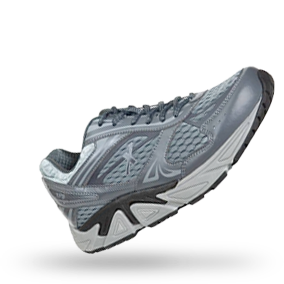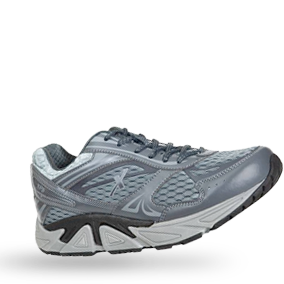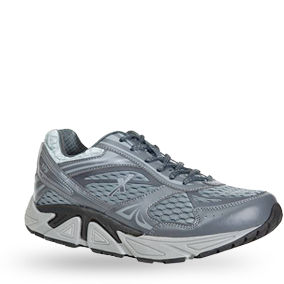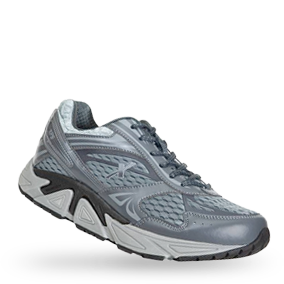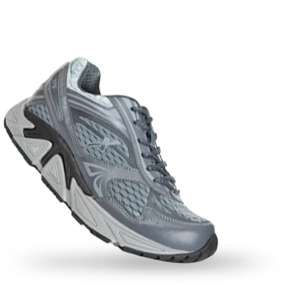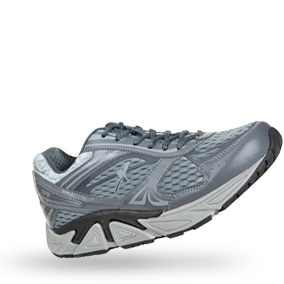
A run should not leave your arches, shins, knees, or lower back feeling like they had to work overtime just to keep you upright. For runners with low arches, the right running shoes for flat feet can make a meaningful difference in how stable, comfortable, and confident each step feels.
Flat feet are common, and they do not automatically mean something is wrong. But when the arch drops significantly during the gait cycle, the foot may roll inward more than your body can comfortably manage. That movement can affect alignment from the foot upward, placing extra demand on the ankles, knees, hips, and lower back. A supportive running shoe cannot change the shape of your foot, but it can help create a more controlled, efficient platform for movement.
Your arch helps distribute load as your foot moves from landing to toe-off. With a low or flexible arch, the foot may flatten and rotate inward under body weight. Some inward movement is normal and necessary for shock absorption. The issue is not pronation itself. The concern is excessive or poorly controlled pronation that continues too far or too quickly.
When that happens, the ankle may drift inward and the lower leg can rotate along with it. Over many repeated strides, this may contribute to tired feet, arch discomfort, shin soreness, plantar fascia irritation, or strain around the knees and hips. The exact experience varies widely. Some runners with flat feet feel excellent in neutral shoes, while others need more structured support to stay comfortable.
That is why shoe selection should focus less on a label and more on what your body does while moving. The best choice is one that helps you feel steady at landing, supported through midstance, and able to push forward without fighting the shoe.
A shoe for flat feet should provide support without making the stride feel rigid or unnatural. The goal is guided movement, not locking the foot into place. Several design features are especially useful.
The midsole is the foam layer between your foot and the ground, and it does more than provide softness. For flat feet, a broad, stable midsole helps resist side-to-side collapse when the foot accepts weight. Look for a platform that feels grounded rather than narrow or tippy, particularly through the heel and midfoot.
A firmer area along the medial side of the shoe can also help manage excessive inward rolling. Depending on the model, this may be described as motion control, stability support, guidance, or a structured midsole. The best amount of support depends on your gait, body weight, running surface, and history of discomfort. More control is not always better if it makes your feet feel pressured or restricted.
The heel counter is the reinforced structure surrounding the back of the shoe. A supportive heel counter helps hold the rearfoot in a more stable position as you land. For runners whose heels roll inward, this can make the shoe feel more planted and can reduce the feeling of wobbling during the stride.
Test it with your hands before trying the shoe on. It does not need to be rock-hard, but it should have enough structure that the heel does not easily collapse. Once laced up, your heel should feel held in place without pinching the Achilles area.
Cushioning is valuable because running creates repeated impact forces. Yet a very soft shoe can be a poor match for some flat-footed runners if the foam compresses unevenly or lets the foot sink too deeply. A balanced ride is usually more helpful than the softest possible ride.
Look for shock absorption paired with a stable base. This combination can reduce impact stress while helping the foot maintain a more controlled path from heel strike to toe-off. If you primarily run on pavement, this balance becomes even more important over longer distances.
Flat feet often spread wider under load, especially late in a run. A shoe that feels fine while standing can become cramped after several miles. Make sure the toe box allows your toes to splay naturally and that the upper holds the midfoot securely without squeezing it.
Your longest toe should have about a thumb’s width of space in front of it. The shoe should feel secure through the heel and midfoot, while the forefoot has room to move. If one foot is slightly larger, fit the larger foot. That is common and worth accommodating.
Motion-control footwear is designed for runners who need a higher level of guidance and stability. It can be particularly helpful for people with pronounced overpronation, a history of running-related discomfort, or a heavier build that places greater demands on the shoe platform. A motion-control shoe often uses a firm, supportive structure around the heel and midfoot to limit unwanted movement.
Still, there is no single shoe category that works for every flat foot. If your feet are low-arched but flexible and pain-free, a moderate stability shoe may be enough. If your ankles consistently roll inward, your shoes wear down heavily along the inside edge, or you feel unstable on turns and uneven surfaces, more structured support may be appropriate.
Xelero designs supportive footwear around controlled motion, alignment, and forward movement, which matters when a runner wants stability without giving up everyday comfort. The right level of support should feel reassuring from the first steps, not like a correction you have to tolerate.
Trying on a running shoe is not just about whether it feels comfortable while seated. Wear the socks you normally run in, lace the shoe fully, and walk or jog if the setting allows. Pay attention to how your heel lands and how the shoe feels as you roll forward.
A good shoe should feel stable without forcing your foot outward. Your arch should feel supported, not jabbed. There should be no heel slipping, toe crowding, or pressure across the top of the foot. If you use prescribed orthotics or supportive inserts, bring them with you. The shoe needs enough depth and volume to accommodate them without making the fit too tight.
Watch for these signs that a shoe may not be providing the support you need:
Comfort matters, but immediate comfort is only part of the equation. A shoe should continue to feel supportive as the run progresses, when fatigue can make poor alignment more noticeable.
Some runners benefit from orthotics, while others do well with a properly structured running shoe alone. An insert can add arch support, improve pressure distribution, or provide a more customized feel. It may be useful if you have recurring discomfort, a significant difference between your two feet, or a recommendation from a podiatrist or physical therapist.
However, an orthotic should not be used to force a poor-fitting shoe to work. Start with a stable shoe that fits correctly. If you add an insert, remove the shoe’s existing sock liner first when possible and reassess the fit. Your foot should not feel elevated to the point that the heel becomes unstable or the top of the foot feels compressed.
Even an excellent support shoe can feel different from the pair you are replacing. A change in heel height, firmness, arch shape, or motion control can alter the demands on your muscles and tendons. Give your body time to adapt.
Start by wearing new running shoes for short walks or shorter runs. Increase your mileage over several outings rather than making them your choice for a long run immediately. This approach is especially helpful if you are moving from a neutral, highly flexible shoe into a more supportive stability or motion-control design.
Also replace running shoes before their support has fully broken down. Outsole wear is easy to see, but midsoles can lose structure long before the shoe looks worn out. If a familiar pair suddenly feels less stable, leaves you more fatigued, or has noticeable compression along one side, it may be time for a replacement.
Your running shoes should support the activity you want to keep doing – whether that is a morning mile, a weekend 10K, or a steady return to movement after time away. If pain continues despite a good fit and sensible training progression, a qualified health professional can help identify whether your footwear, gait, training load, or another factor needs attention.