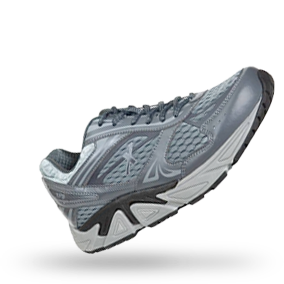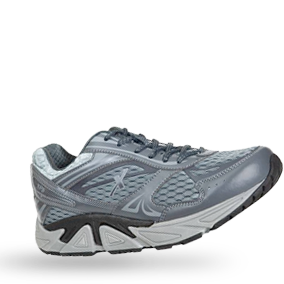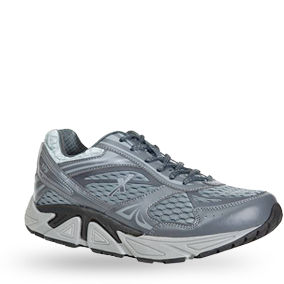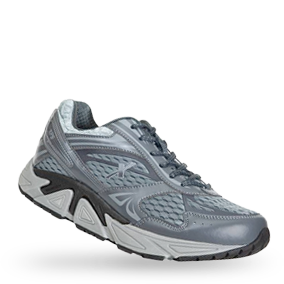
A shoe can feel soft the moment you try it on and still leave your feet, knees, or lower back tired by the end of the day. The difference often comes down to how the sole guides your stride. In the rocker sole versus flat sole conversation, neither design is automatically right for every person. The better choice depends on your gait, stability needs, activity, and the areas of your body that need less stress.
For people who walk for exercise, stand for work, manage joint discomfort, or simply want to stay active with more confidence, sole shape is more than a style detail. It influences how your foot meets the ground, how weight moves through the gait cycle, and how much effort your joints may need to make with each step.
A flat sole generally has a relatively level platform from heel to toe. It can be thin and flexible, as in a minimalist shoe, or thick and cushioned, as in some casual and athletic footwear. What makes it flat is that it does not have a pronounced curved profile designed to roll the foot forward.
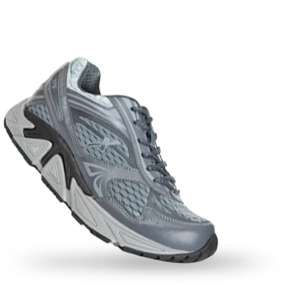
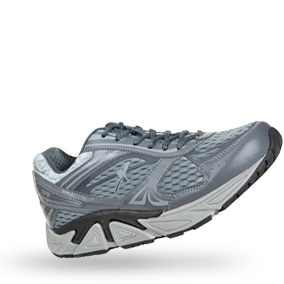
A rocker sole has a curved shape under the shoe, usually through the forefoot, heel, or both. Think of the gentle arc on the bottom of a rocking chair. As you move forward, that curve is intended to help the shoe roll from landing to toe-off rather than requiring as much bending through the foot and ankle.
The distinction matters because walking is a sequence of controlled motion. Your heel lands, your body moves over the foot, and your forefoot helps propel you into the next step. A well-designed rocker sole can make that transition feel smoother and more efficient. A flat sole can allow for a more natural feel and direct ground contact, but it may place more demand on the foot and lower leg to create forward motion.
The primary advantage of a rocker sole is forward-motion assistance. The curved geometry can help move the body ahead after the foot contacts the ground. For someone whose toe joints, forefoot, ankle, or lower leg feel stressed during push-off, reducing that demand can make walking more comfortable.
Rocker soles may also help distribute pressure more gradually across the foot. Instead of concentrating force in one area as you transition through a step, the curved platform can encourage a smoother rollover. This is one reason people with forefoot sensitivity, stiffness, or discomfort around the big-toe joint often consider rocker footwear.
The benefits extend beyond the foot. When a shoe supports a more controlled stride, it may reduce repetitive impact stress that travels to the knees, hips, and lower back. That does not mean a rocker sole fixes every cause of pain. It means the shoe can be one useful part of a plan to improve daily comfort and reduce aggravating movement patterns.
Motion control is especially important here. A rocker shape without a stable platform can feel unpredictable, particularly for people with balance concerns or a tendency to roll inward or outward. The most supportive rocker shoes pair their curved sole with a secure heel, a stable base, and thoughtful midsole construction. The goal is not simply to tip the body forward. It is to guide forward movement while helping the foot stay aligned.
A flat sole is not inherently unsupportive. Many people prefer its grounded, familiar feel, particularly when they have healthy foot mobility and do not experience pain during normal push-off. A flatter platform can also be helpful for activities that require a stable connection to the ground, such as strength training, where excessive sole curvature may feel less secure.
Some walkers simply need time to adapt to a rocker design. If you have worn flat shoes for years, a pronounced curve can initially feel unusual. Your stride may change, and your calf muscles or balance system may need a gradual adjustment period. Starting with shorter walks is often more comfortable than wearing a new rocker shoe for a full day immediately.
The amount of cushioning also matters. A thick flat sole can reduce impact, while a thin flat sole may offer more ground feel but less protection on hard surfaces. Likewise, a rocker shoe can range from subtly curved to highly curved. It is not accurate to assume every flat shoe feels firm or every rocker shoe feels unstable. Construction, fit, heel support, width, and outsole grip all affect performance.
Rocker sole shoes are often worth considering for people who want easier forward motion during walking and everyday activity. They can be particularly useful when stiffness or repetitive pressure makes the push-off phase uncomfortable.
You may appreciate a rocker sole if you experience discomfort at the ball of the foot, big-toe joint stiffness, or fatigue during long walks. It can also be a practical option for people seeking reduced impact stress during recovery periods or for those managing knee, hip, or lower-back discomfort that becomes worse with repetitive walking.
Older adults and anyone with balance concerns should focus on stable rocker designs rather than choosing solely for cushioning. Look for a broad base, a supportive heel counter, reliable traction, and a secure fit through the midfoot. A rocker sole should help you feel more controlled, not as if the shoe is moving ahead of you.
For runners, hikers, and active walkers, the right design depends on the activity. A smooth rocker can support efficient road walking or running, while hiking footwear needs enough stability and traction for uneven ground. The shoe should match the surface and pace of your movement, not just the diagnosis or discomfort you are trying to address.
Choosing between a rocker sole and a flat sole starts with comfort, but it should not end there. A shoe that feels comfortable while sitting may not provide the right control after several thousand steps. Walk in the shoes on a firm surface if possible, paying attention to whether your heel feels secure, whether your foot slides forward, and whether the toe box gives your toes enough room to spread naturally.
Your foot should sit centered over the platform rather than spilling over either side. If you use orthotics or have a custom insert, make sure the shoe has sufficient depth and a removable insole when needed. The best sole design cannot do its job if the shoe is too narrow, too loose, or too short.
It is also wise to consider your current symptoms. Sudden or severe foot pain, numbness, swelling, or changes in balance deserve attention from a qualified health professional. Footwear can support movement, but it should not replace an evaluation when pain persists or gets worse.
The rocker sole versus flat sole decision is ultimately about how you move. A flat sole may suit someone who prefers a grounded feel and has no trouble with foot flexibility or push-off. A supportive rocker sole may be the stronger choice for someone who wants smoother transitions, less repetitive pressure, and more assistance moving forward.
Xelero footwear is designed around that larger goal: helping people stay in motion with stability, alignment support, and cushioning that works through the full gait cycle. The right pair should make a walk feel less like something your body has to endure and more like a movement you can continue with confidence.
Start with the demands of your real day, whether that means neighborhood walks, long hours on your feet, recovery-focused movement, or active travel. When your sole shape, fit, and support level work together, every step has a better chance to feel steady, protected, and comfortable.