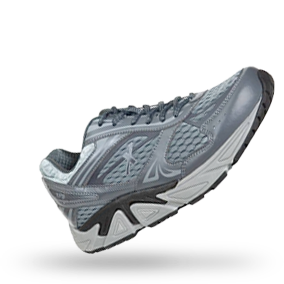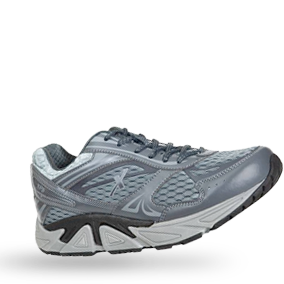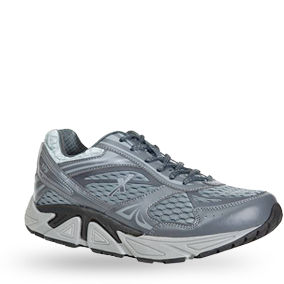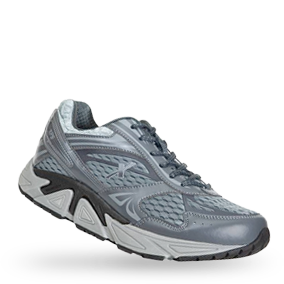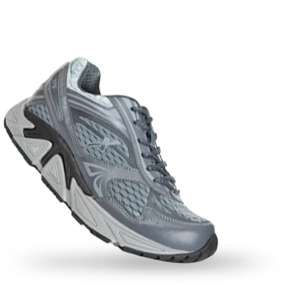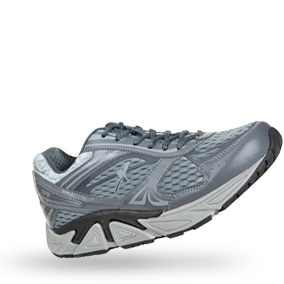
Your feet do not stop working when a walk, workout, shift, or long day ends. Recovery slides women choose should give tired feet a stable place to land, not simply add a soft layer between the foot and the floor. The right pair can help reduce repeated impact, support a more comfortable stance, and make those in-between hours easier on the feet, knees, hips, and lower back.
A slide is not a replacement for a supportive walking or running shoe. It serves a different purpose. When you are moving around the house, heading to the locker room, running a quick errand, or transitioning after exercise, a recovery slide should cushion the foot while helping it stay aligned and secure.
Traditional flat slides are often convenient, but convenience alone does not equal recovery. Many have thin soles, minimal structure, and loose straps that make the toes work harder to keep the shoe in place. That extra gripping can be uncomfortable for people with foot fatigue, plantar fascia irritation, or forefoot pain.
Recovery-focused slides are designed around the idea that the foot needs a break from hard, unforgiving surfaces and unstable footwear. The most effective designs pair cushioning with a supportive footbed, a stable base, and a shape that promotes a more natural forward step. This combination matters because very soft foam without structure can allow the foot to roll or collapse inward, particularly when you are already tired.
The goal is not to make every step feel marshmallow-soft. It is to reduce stress without sacrificing control. For women managing recurring discomfort in the arch, heel, knees, hips, or lower back, that distinction can make a meaningful difference over time.
Look for a footbed that follows the foot rather than remaining completely flat. Gentle arch support can help distribute pressure more evenly across the sole and reduce strain through the plantar fascia. A shaped heel area can also help keep the foot centered instead of allowing it to slide from side to side.
Support should feel present but not aggressive. If the arch hits too far forward or presses sharply into your foot, the slide may not match your foot shape. Comfort is personal, and a slide that works well for one person may feel wrong for another.
Cushioning is one of the main reasons people reach for recovery footwear. It can soften the impact of standing on tile, concrete, hardwood, and other hard surfaces. But the material should recover after compression and provide a predictable platform underfoot.
A very high, overly soft sole may feel good at first, yet it can feel unstable during turns or when walking across uneven ground. If you have ankle weakness, balance concerns, or a history of rolling your ankle, prioritize a wider base and controlled cushioning over maximum softness.
Slides are open footwear, so the strap plays a larger role than many people expect. It should hold the foot comfortably without rubbing across the top of the foot or forcing you to curl your toes for security. Adjustable straps can be especially helpful when your feet swell during travel, after activity, or later in the day.
A secure fit supports a more relaxed gait. When a slide is too loose, the foot often shifts forward with each step. When it is too tight, it can create pressure and irritation. Both problems can turn a recovery shoe into another source of fatigue.
Recovery slides are best for lower-intensity movement, but they still need traction. A slip-resistant outsole and a broad ground-contact area help you move more confidently around wet pool decks, locker rooms, patios, kitchens, and smooth indoor floors.
This is also where use matters. A slide that is appropriate for post-workout errands may not be the right choice for a long neighborhood walk, hiking trail, or fast-paced day on your feet. Match the footwear to the activity instead of asking one pair to do every job.
Recovery slides are most useful during the parts of the day when you might otherwise go barefoot or wear unsupportive flip-flops. After a run, gym session, tennis match, or long walk, they offer a cushioned transition while your feet are still fatigued. They can also be a practical option for people who stand while cooking, doing household tasks, or getting ready for work.
They are particularly helpful when hard flooring triggers heel or arch discomfort. Going barefoot may feel natural, but tile and hardwood offer no shock absorption or structured support. A supportive slide can reduce that repeated contact stress while still giving your feet room to relax.
For travel, recovery slides can be an easy companion for hotel rooms, airports, and brief periods of walking. Just remember that airport terminals and city streets often require more coverage, protection, and stability than an open slide provides. If you plan to walk several miles, wear a properly fitted walking shoe and save the slide for before and after.
Women’s recovery slides should fit securely from heel to toe, with enough room for natural toe movement. Your heel should not hang over the back edge, and your toes should not press against the front. At the same time, excessive length can make the shoe feel clumsy and increase the chance of catching the front edge on stairs or uneven pavement.
Try on slides later in the day if possible, when feet are more likely to be slightly swollen. Wear the socks you expect to use, if any. Although many slides are worn barefoot, a thin sock can change the fit and affect how the strap feels.
Pay attention to the placement of the arch support. It should sit under your arch, not under the ball of your foot. Take several steps and notice whether your heel remains stable, whether your toes are gripping, and whether the strap stays comfortable. A good recovery slide should feel easy immediately. It should not require a break-in period to stop causing pressure.
The best recovery slide depends on why you need it. If your primary concern is sore feet after exercise, responsive cushioning and a contoured footbed may be the priority. If you experience overpronation or feel unstable when walking, motion-control features and a wider platform may matter more.
For heel pain or plantar fascia discomfort, consistent arch support and heel cushioning can be more beneficial than a completely flat foam slide. For swelling, an adjustable upper may provide a better fit through the day. If you have diabetes, neuropathy, significant balance issues, or persistent pain, speak with a medical professional or qualified footwear specialist before relying on open footwear for daily use.
It also helps to think beyond the feet. Footwear that allows the foot to collapse or shift can influence how force travels up the legs. A stable recovery slide is not a cure for knee, hip, or back pain, but it can be one practical part of reducing unnecessary stress between higher-demand activities.
Recovery works best as a routine, not a single product. Supportive shoes for walking, running, and work should handle the demands of those activities. Recovery slides can then provide relief during lower-demand moments, when your body still benefits from cushioning and alignment support.
Xelero designs footwear with this broader purpose in mind: helping people stay in motion with support that promotes stability, comfort, and a more efficient step. For many women, the value of a recovery slide is not that it looks like athletic footwear. It is that it makes daily movement feel less punishing.
Give your feet the same consideration you give the rest of your recovery. Choose a slide that feels stable, supports your natural foot shape, and makes the next step easier, whether that step is across the kitchen floor or toward tomorrow’s workout.