A soft footbed can feel like immediate relief after a long walk, run, hike, or shift on your feet. But when comparing recovery slides versus supportive sandals, softness is only one part of the decision. The better choice depends on what your body needs next: short-term relief while resting, dependable support while moving, or a balance of both.
For people managing foot fatigue, heel discomfort, unstable ankles, or pain that travels into the knees, hips, or lower back, the wrong open shoe can turn a recovery moment into more strain. Understanding how each style affects cushioning, stability, alignment, and gait can help you choose footwear that supports the way you actually live.
Recovery slides are typically built for the period immediately after exercise or extended activity. Their main appeal is easy-on comfort: you step in, your foot meets a generously cushioned footbed, and pressure from a tired sole may feel reduced. Many styles use thick foam and a rocker-like sole shape intended to create a smooth, rolling sensation as you walk.
That can be useful after a workout, especially when your feet feel tender and you want to avoid stiff, restrictive footwear for a short time. A roomy upper also accommodates mild swelling that can happen after long periods of activity.
The trade-off is that many recovery slides prioritize plush cushioning over foot control. Because the heel is open and the upper is often a single broad strap, your foot may need to grip, slide, or work harder to stay centered on the platform. This is less of a concern when walking a few steps around the house than when standing for an hour, walking through a parking lot, or navigating uneven ground.
A supportive sandal is designed for more than giving your foot air. Its job is to provide a stable base while helping your foot remain better positioned during standing and walking. The level of support varies widely by model, so the word “supportive” should describe construction, not just a padded footbed.
Look for a footbed that resists excessive collapse under your weight, especially through the heel and arch area. A deeper heel cup can help center the heel, while a contoured midfoot can provide contact under the arch rather than leaving a gap. A stable outsole with a broad base helps reduce the feeling that your foot is rolling over the side of the sandal.
Straps matter just as much as the sole. Adjustable straps across the instep, forefoot, and sometimes behind the heel help hold the foot in place. When your foot is secure, you are less likely to claw your toes or alter your stride to keep the sandal from slipping off.
A firm sandal is not automatically a supportive sandal. Footwear that feels uncomfortably hard may create pressure points, while a footbed that is too soft can compress quickly and provide little guidance. The goal is supportive cushioning: enough shock absorption to reduce impact stress, paired with enough structure to promote stable movement.
For people who need motion control, this balance is especially relevant. A shoe or sandal should not simply feel good while seated. It should remain stable as the heel contacts the ground, weight moves through the midfoot, and the body progresses forward.
The simplest difference is this: recovery slides often work best as a brief comfort tool, while supportive sandals are generally better suited to regular walking and standing when they have a secure, structured design.
If you are coming in from a run and want something easy to wear while you stretch, shower, or move around the house, a recovery slide may be enough. Its cushioning can offer a welcome break from a snug training shoe. The same may be true for a quick trip to the mailbox or taking the dog into the yard on level ground.
A supportive sandal becomes the stronger option when the day includes errands, travel, sightseeing, standing at an event, or regular outdoor walking. These situations ask more from your footwear. You need traction, a more secure connection between foot and sandal, and a platform that does not allow the foot to shift excessively with every step.
This does not mean every person needs the same level of control. Someone with healthy feet who uses slides occasionally may have no issue. But if you have recurring plantar heel pain, tend to overpronate, feel unsteady, or notice that minimal footwear aggravates your knees or back, a slide with little retention may not be the right all-day choice.
Footwear influences more than the bottom of the foot. When a slide is loose, many people unconsciously shorten their stride or tense their toes to hold it on. That change can affect how the foot moves and how forces travel through the ankle, knee, hip, and lower back.
A supportive sandal with well-positioned straps can reduce the need for that gripping motion. A stable heel area and controlled platform can also help the foot land more predictably. This is why support features are particularly valuable for adults who want to stay active without repeatedly aggravating pain.
The best test is to walk in the sandal rather than judging it while sitting down. Notice whether your heel stays centered, whether your toes relax, and whether the sandal feels stable as you transition forward. If you feel yourself fighting the footwear, it is not giving your body the help it needs.
When choosing between slides and sandals, start with your intended use. Then compare the details that influence comfort beyond the first few steps:
If you wear custom orthotics, keep in mind that most slides and many sandals do not accommodate them well. In that case, a motion-control walking shoe may be the more appropriate choice for longer periods of activity, with open footwear reserved for limited use.
Recovery slides still have a place. They can be practical when convenience and immediate cushioning are the main priorities. After a workout, a slide may feel better than staying in a damp athletic shoe or walking barefoot across hard floors.
They may also work well for people who need a roomy option during brief periods of foot swelling. Choose a slide with a sufficiently wide base, a footbed that does not feel slippery, and an upper that holds your foot without creating pressure across the top.
Just be realistic about its role. A recovery slide is not necessarily a substitute for a supportive walking sandal, a structured shoe, or a clinician-recommended treatment plan. Persistent pain, numbness, swelling, or changes in balance deserve professional attention.
A supportive sandal is usually the more versatile option for people who spend meaningful time on their feet. It can provide the breathability of open footwear while offering more of the stability and alignment support that a casual slide may lack.
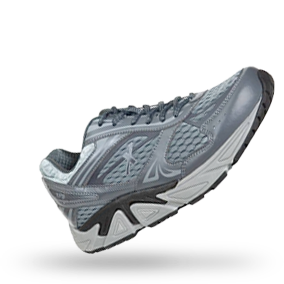
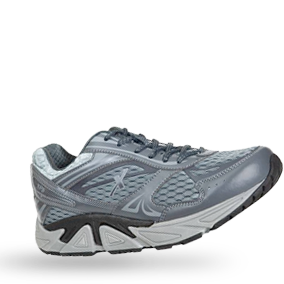
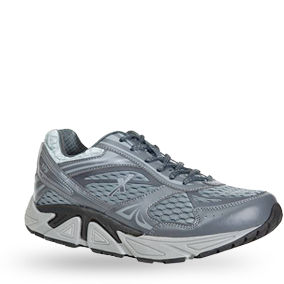
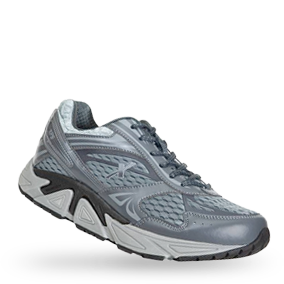
For warm-weather walking, travel, and everyday errands, look for a sandal that feels secure without forcing your foot into a rigid position. The right design should support forward motion, help manage impact, and encourage a more relaxed stride. Brands such as Xelero focus on this relationship between stability, cushioning, and biomechanical support because lasting comfort depends on how the footwear performs through the entire gait cycle.
Your feet do not need to choose between feeling cushioned and feeling controlled. Give them the recovery slide when rest is the priority, and choose a supportive sandal when the day asks you to keep moving with confidence.