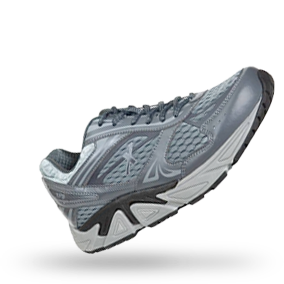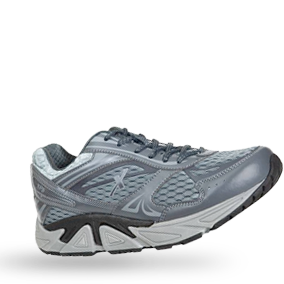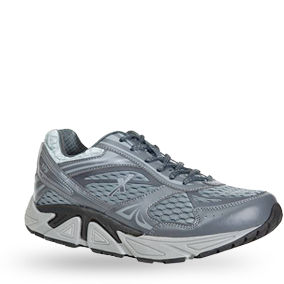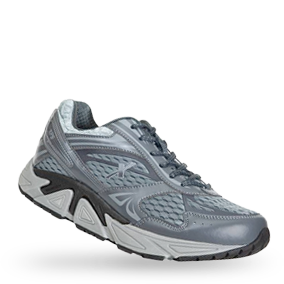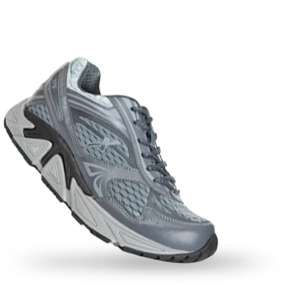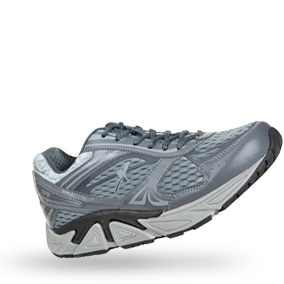
A useful orthotic shoe review starts after the first few soft steps. Many shoes feel comfortable in a store or around the house. The real test comes later: when you have walked the dog, stood through a shift, traveled through an airport, or reached the point in your day when foot, knee, hip, or lower-back discomfort usually begins.
Supportive footwear should not simply make your feet feel padded. It should help your body move with greater control. That means evaluating how the shoe fits, how it manages impact, whether it keeps the foot stable through the gait cycle, and whether it remains comfortable after hours of wear.
The word “orthotic” is often used broadly. Sometimes it describes a shoe with a supportive footbed. In other cases, it refers to footwear designed to accommodate a prescribed insert. Neither feature automatically makes a shoe right for your needs.
A better review looks at the complete system: the upper that holds the foot in place, the midsole that absorbs and guides impact, the heel structure that limits unwanted movement, and the outsole that creates a stable platform on the ground. A supportive insole can be valuable, but it cannot fully compensate for a shoe that is too flexible, too narrow, unstable at the heel, or poorly matched to your walking pattern.
For people managing recurring discomfort, the question is not, “Does this shoe have arch support?” The more useful question is, “Does this shoe help me move comfortably and consistently without creating pressure, instability, or fatigue?”
Even an expertly engineered shoe cannot support a foot that is sliding around inside it. Start with length, width, depth, and heel security. There should be room in front of the toes for natural movement, but not so much that the foot shifts forward with every step.
Pay attention to the midfoot. A supportive shoe should feel secure through this area without squeezing it. If you have bunions, swelling, hammertoes, or a higher instep, extra depth and an accommodating toe box may matter as much as the level of arch support.
Try shoes later in the day when feet are more likely to be swollen. Wear the socks you use for walking, work, or exercise. If you wear custom orthotics, test the shoe with them in place rather than assuming they will fit. A removable footbed often creates useful space, but the shoe still needs enough volume to avoid crowding the top of the foot.
A stable shoe does not have to feel stiff or heavy. It should resist excessive side-to-side movement while allowing a natural forward roll. Look for a structured heel counter, a broad base under the heel and forefoot, and an upper that keeps the foot centered over the midsole.
This matters when your feet tend to roll inward, your ankles feel unsteady, or discomfort worsens after long periods of standing. It also matters for walkers who have lost confidence on uneven pavement, trails, or hard floors.
The right amount of control depends on the person. Someone with a rigid foot may prefer a shoe with more cushioning and a smoother transition. Someone with flexible feet or a tendency to overpronate may benefit from more guidance through the middle of the step. More control is not always better. The goal is controlled movement, not a shoe that fights every natural motion.
Customer reviews can reveal details that product descriptions cannot, especially about sizing, break-in time, and all-day comfort. But a five-star review only helps if the reviewer has needs similar to yours.
Look for comments from people who use the shoe in a comparable way. A runner reviewing a lightweight training shoe may prioritize responsiveness and pace. A person recovering from plantar fasciitis may care more about heel cushioning, arch comfort, and how the shoe feels after standing. A hiker may focus on traction and ankle security. Context changes everything.
Be cautious with broad statements such as “fixed my pain” or “no support at all.” Foot pain can have many causes, and the same shoe can feel excellent on one foot type and unsuitable on another. A more informative review describes the wearer’s activity, fit, prior discomfort, and the amount of time spent in the shoe.
The most helpful reviews tend to answer practical questions. Did the heel stay secure? Was the toe box roomy enough? Did the arch feel supportive or intrusive? Did the shoe remain comfortable after several hours? Did it work with an insert? Did the cushioning feel protective without becoming unstable?
Reviews that mention durability also deserve attention. Support changes as a midsole compresses and an outsole wears down. A shoe that feels excellent for a week but loses its structure quickly may not deliver the long-term value a comfort-focused buyer expects.
Sizing patterns are worth noting when several reviewers report the same issue. If many people say a model runs narrow, short, or shallow, take that feedback seriously. Still, avoid choosing a size based only on another person’s experience. Foot shape differs widely, even among people who wear the same numerical size.
A shoe’s specifications can sound impressive, but they should translate into a clear functional benefit. For everyday mobility, several features tend to make the biggest difference.
A contoured, supportive footbed can distribute pressure more evenly and reduce the tired, flattened feeling that develops after long hours on your feet. Shock-absorbing cushioning can reduce repeated impact forces, especially on concrete, tile, and pavement. A stable heel and well-designed midsole can help limit excessive motion that may place added stress on the feet, knees, hips, and lower back.
Forward-motion design is another feature worth considering. A shoe that encourages a smooth heel-to-toe transition can make walking feel easier and reduce the effort required to move through each step. This can be particularly valuable when stiffness, fatigue, or joint discomfort makes push-off less comfortable.
Xelero shoes are engineered around this combination of motion control, shock absorption, stability, and forward movement because daily comfort is not just about standing on a soft surface. It is about supporting alignment while the body is in motion.
A short indoor trial is useful, but it cannot answer every question. Once you are sure the fit is right, wear the shoes for the activities that matter most to you. Start with shorter periods if you are changing from a flatter, less supportive shoe or if you have been dealing with pain.
Notice what happens at the end of the day. Are your heels less sore? Do your knees feel less fatigued? Are you adjusting your stride to avoid discomfort? Is there rubbing around the toes, heel, or top of the foot? A supportive shoe should feel increasingly dependable as the day goes on, not like a shoe you are eager to remove.
Some adjustment is normal when your body is adapting to a different level of support. Sharp pain, numbness, tingling, new pressure points, or worsening discomfort are not signs to push through. Reassess the fit and consider speaking with a qualified health professional if pain persists.
Supportive shoes are a meaningful part of a foot-health plan, but they are not a universal cure. Significant deformities, diabetic foot concerns, persistent swelling, sudden pain, wounds, or numbness require professional evaluation. Custom orthotics, physical therapy, changes in activity, or medical treatment may be appropriate depending on the cause of symptoms.
The same principle applies to custom inserts. A shoe should work with your orthotic, not force it into an unstable or cramped fit. If your insert raises the heel too high, crowds the forefoot, or causes the heel to slip, a deeper or differently shaped shoe may be a better match.
The best orthotic shoe is not necessarily the softest, firmest, or most heavily built option. It is the one that fits your foot, supports your movement, and helps you stay active with less distraction from discomfort. Give the shoe a fair test in your real routine, then let how your body feels after the walk guide the decision.