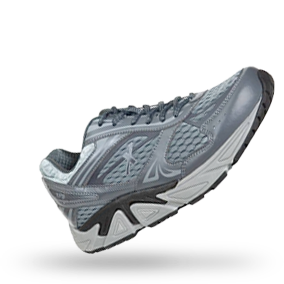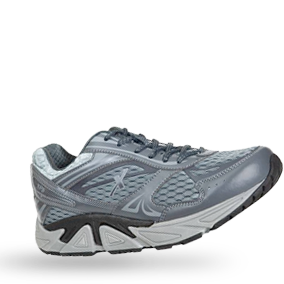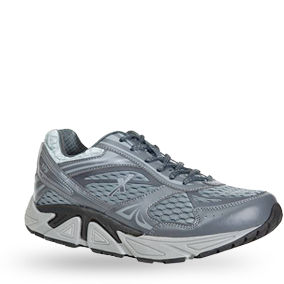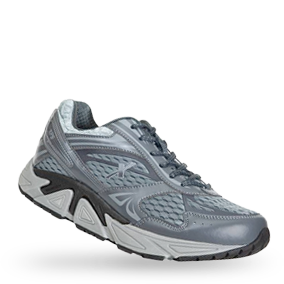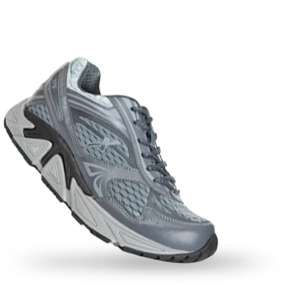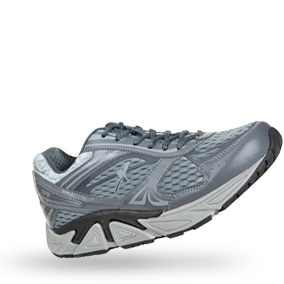
A shoe can feel soft the moment you put it on and still leave your feet, knees, or back working too hard by the end of the day. That is why the choice between motion control versus neutral shoes is about more than cushioning. It is about how the shoe manages your movement from heel strike through toe-off.
For walkers, runners, hikers, and anyone spending long hours on their feet, the right level of support can help make each step feel more stable and less taxing. The wrong level can leave you feeling fatigued, unstable, or overly restricted. Here is how to understand the difference and choose based on your body, activity, and comfort needs.
Neutral shoes are designed to allow the foot to move through its natural gait with relatively little corrective structure. They often prioritize cushioning, flexibility, and a smooth ride. They can be an excellent choice for people whose feet and ankles stay well aligned as they walk or run, or for those who simply prefer a less structured feel.
Motion control shoes are built to manage excessive foot motion, particularly when the foot rolls inward too far or too quickly after landing. This inward roll, called pronation, is a normal part of walking and running. The concern is not pronation itself. The concern is when the motion becomes excessive enough to affect alignment, create instability, or place repeated stress on the feet, ankles, knees, hips, or lower back.
Motion control footwear typically uses a more supportive platform, a structured heel area, and design features that help guide the foot forward. The goal is not to force your body into an unnatural position. It is to provide a steadier base and help reduce the effects of unwanted side-to-side movement during the gait cycle.
A neutral shoe is often a good fit when your stride is generally stable and you do not need extra guidance to keep your foot aligned. Many neutral styles have cushioning that absorbs impact well, making them appealing for everyday walking, recreational running, and recovery days.
The key benefit is freedom of movement. A neutral shoe can feel lighter and more flexible, especially for people with a stable gait or a preference for a natural-feeling ride. Some people also use neutral shoes because they wear custom orthotics that already provide the support or correction they need.
However, neutral does not mean unsupportive. A well-designed neutral shoe may still have a stable heel, quality cushioning, and a broad enough base to feel secure. The difference is that it does not actively control as much foot motion as a motion control shoe.
A neutral shoe may be less suitable if you notice your ankles collapsing inward, your shoes wearing down heavily along the inside edge, or persistent fatigue after standing and walking. In those cases, extra softness alone may not address the underlying movement pattern.
Motion control shoes are intended for people who need more than general cushioning. They are especially useful when excessive inward motion makes each step feel unstable or contributes to repeated discomfort.
Support begins at landing. A secure heel counter can help hold the rearfoot in a more stable position. Through midstance, a supportive platform helps resist unwanted rolling. As the body moves forward, the shoe should promote a smoother, more controlled transition toward toe-off rather than allowing the foot to collapse or twist excessively.
This combination can reduce the amount of compensating work demanded from the muscles and joints above the foot. For someone with recurring foot fatigue, ankle instability, knee strain, or lower-back discomfort, that support may make long walks and daily errands feel more manageable.
Xelero designs motion-control footwear around this principle: supporting alignment, reducing impact stress, and encouraging forward motion without sacrificing the cushioning needed for all-day comfort.
A motion control shoe should feel secure, not punishing. If a shoe feels like it is pushing sharply into your arch, crowding your toes, or forcing your foot into an uncomfortable position, it may not be the right shape or level of control for you.
Fit matters as much as the category. Your heel should sit securely, the widest part of your foot should align with the widest part of the shoe, and your toes need room to move. A supportive shoe that is too narrow, too short, or poorly matched to your foot volume can create a different set of problems.
You do not need to diagnose your own gait from one glance at an old pair of shoes. Still, there are useful clues that more structured support may be worth considering.
You may benefit from motion control footwear if your shoes consistently wear down faster on the inside edge, your ankles appear to roll inward when you walk, or your feet feel tired well before the rest of your body does. It can also help if you feel unsteady on uneven sidewalks or trails, have a history of overpronation, or find that foot, knee, hip, or lower-back discomfort worsens after time on your feet.
People with flatter feet often need more stability, but arch height alone does not determine the answer. Someone with high arches can still overpronate, and someone with low arches can have a stable gait. Your movement, comfort, injury history, and the demands of your day matter more than one visual feature of your foot.
If pain is persistent, severe, or changing how you walk, consult a qualified health professional. Footwear can be a meaningful part of a support plan, but it cannot replace an assessment when symptoms need medical attention.
A neutral shoe can be the right choice if you have a stable stride, no recurring issues linked to inward rolling, and a comfortable fit in shoes with moderate structure. It can also work well for runners and walkers who want cushioning without a firm corrective feel.
Some people rotate between categories. For example, a person may choose a supportive motion control shoe for workdays, long walks, travel, or hiking, then use a neutral shoe for shorter, lower-demand activity. This approach can make sense when your support needs change with distance, surface, fatigue, or activity.
The trade-off is straightforward: a neutral shoe may feel more flexible, while a motion control shoe may feel more planted. Neither is automatically better. The better choice is the one that helps you move comfortably and confidently without creating new pressure points or instability.
Start with the activity you do most. A shoe for several hours of standing should feel reliably stable and cushioned under fatigue. A walking shoe should provide a smooth heel-to-toe transition. A hiking shoe may need additional traction and security for uneven terrain. A running shoe should match both your gait and the distance, pace, and surfaces you use.
Then pay attention to what your body tells you after activity, not only how the shoe feels in the first minute. Notice whether your feet feel supported at the end of a walk, whether your knees feel less strained, and whether the shoe stays stable as you become tired. A good shoe should not require a break-in period of pain.
Try shoes later in the day when your feet are more likely to be swollen, and wear the socks you normally use for the activity. Walk on a firm surface if possible. Check that your heel does not slip, your midfoot feels held without pressure, and you have about a thumb’s width of room in front of your longest toe.
Motion control versus neutral shoes is not a contest between a “medical” shoe and an “athletic” shoe. It is a question of how much guidance your body benefits from during each step. A stable gait may thrive in a neutral design. A foot that rolls inward excessively may feel substantially better with structured motion control.
Choose the shoe that gives you a secure foundation for the life you want to keep living – whether that means walking the neighborhood, working on your feet, traveling, hiking, or returning to a favorite running route. When your footwear supports your movement instead of asking your body to compensate, staying active becomes a more comfortable habit.