A custom orthotic can only do its job when the shoe around it gives it enough room, stability, and structure. Learning how to wear orthotic friendly shoes is not simply a matter of taking out an insole and dropping your device inside. The fit affects how your heel sits, how your foot moves through each step, and whether the support you rely on stays positioned where it belongs.
For people managing foot pain, plantar fasciitis, overpronation, arthritis, or discomfort that travels into the knees, hips, or lower back, the wrong shoe can work against an otherwise well-made orthotic. The right pairing should make walking feel more controlled, not more cramped.
An orthotic-friendly shoe is designed to accommodate a removable insert without reducing the shoe’s effective depth or creating pressure across the top of the foot. It should also provide a stable platform beneath the orthotic. A soft, flexible shoe may feel comfortable in the store, but if it twists easily or allows the heel to shift, it may not give your orthotic the consistent base it needs.
Look first for a removable factory insole. Removing it creates space for a custom or over-the-counter orthotic while helping prevent the foot from sitting too high in the shoe. A deeper heel cup and a secure heel counter are also valuable because they help limit unwanted rearfoot movement during the gait cycle.
The outsole matters, too. A supportive shoe should offer dependable traction and a stable contact surface, especially for daily walking, longer periods on your feet, or uneven ground. Motion-control features and thoughtful cushioning can help reduce impact stress, but cushioning alone is not the same as support. The goal is a shoe that helps your foot progress forward with greater stability.
Start by removing the shoe’s original insole unless your podiatrist or orthotic provider has specifically told you to layer your orthotic over it. In most cases, leaving the original insole in place reduces available depth and can cause crowding at the toes, pressure at the instep, or heel slippage.
Place the orthotic flat against the bottom of the shoe, with the heel fully seated in the back. It should not rock, curl at the edges, or slide forward when you walk. If it does, the shoe may be too narrow, too shallow, or the wrong shape for that particular device.
Once your foot is in the shoe, guide your heel all the way back before tightening the laces. A secure lacing system is more than a convenience. It helps hold your heel in place so the orthotic can support your foot consistently rather than shifting under it. If the shoe has laces, use all available eyelets when you need greater heel security. Adjustable closures can also work well when swelling or dexterity makes traditional laces difficult.
Your toes should have room to spread naturally. You should not feel your toenails touching the front of the shoe, and the upper should not press down sharply on the top of the foot. A thumb’s width of space in front of the longest toe is a useful starting point, although fit can vary by foot shape and activity.
A good orthotic fit usually feels secure in three places. Your heel should sit firmly without rubbing or lifting. Your midfoot should feel held in place without numbness, tingling, or a tight band of pressure. At the front, your toes should have enough volume and width to move without being compressed.
Do not assume that going up a full shoe size solves an orthotic fit issue. Added length may create excess movement and cause the foot to slide forward. In many cases, a wider width or a deeper shoe is the better answer. Some people need both, particularly when using a thicker custom device or when foot swelling changes throughout the day.
The best shoe to wear with an orthotic depends on how you plan to use it. A shoe that works for a short errand may not provide enough control for a two-mile walk, a work shift on hard floors, or a day on the trail.
For walking, prioritize a stable heel, a supportive midsole, and a smooth forward transition. A walking shoe should help reduce the feeling of fighting the ground with every step. For running, you may need a more activity-specific balance of impact protection, flexibility, and motion control based on your stride and the recommendation of your clinician.
Hiking shoes need additional traction and underfoot protection, but they still need adequate depth for your orthotic. Test them on an incline if possible. Your heel should stay back, and your toes should not slide into the front when walking downhill.
For work or casual wear, avoid judging a shoe by appearance alone. A casual shoe can still offer removable insoles, a structured heel, and supportive construction. The most practical option is often the one you can wear for several hours without pressure points or fatigue building across your feet and joints.
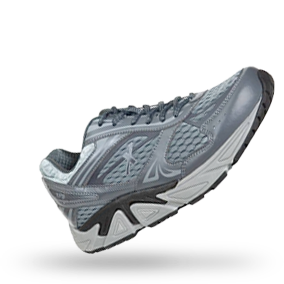
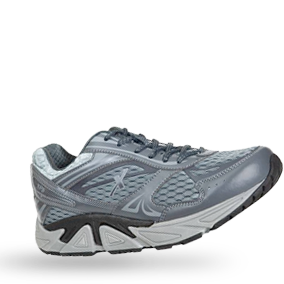
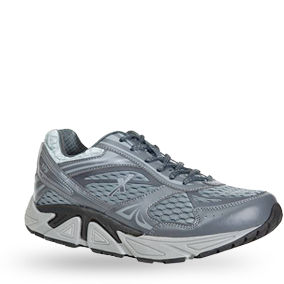
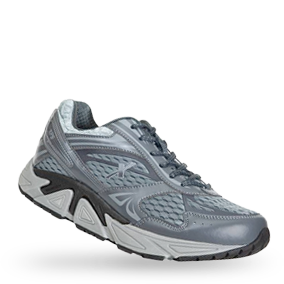
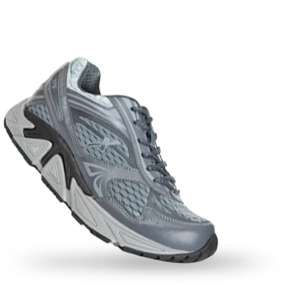
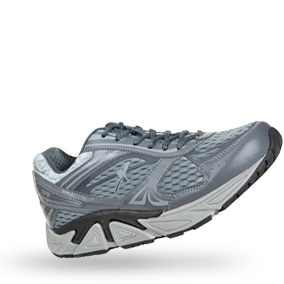
Xelero footwear is designed around controlled motion, shock absorption, and a stable path through the gait cycle, which can make this type of construction especially useful for people who need more than a standard soft comfort shoe.
Even when an orthotic is prescribed for support and alignment, it can take time for your feet and lower body to adapt. Start with one to two hours of wear on the first day, then gradually increase wear time over the next several days. This approach is particularly helpful if the orthotic changes how your arch, heel, or ankle is positioned.
Mild awareness of support can be normal during the break-in period. Sharp pain, new numbness, persistent rubbing, or worsening pain in the feet, knees, hips, or back is not something to push through. Remove the shoes and orthotics, then reassess the fit. If symptoms continue, contact the clinician or provider who recommended the orthotic.
It is also wise to alternate between two compatible pairs of shoes when possible. Orthotics are more likely to serve you well when they fit securely in every shoe you wear, rather than being forced into one pair that is too tight and another that is too loose.
If your heel slips out of the shoe, first confirm that the orthotic is fully seated and that you are wearing the right sock thickness. If the problem continues, the shoe may have too much volume at the heel or insufficient heel structure. A heel-lock lacing method may help, but it cannot fully correct a shoe that does not match your foot shape.
If the top of your foot feels squeezed, do not simply loosen the laces until the shoe feels unstable. The shoe may lack the depth needed for your orthotic. A deeper design, a wider width, or a different upper construction can relieve pressure while still maintaining a secure fit.
If your toes feel crowded, check whether the orthotic is taking up too much interior length or pushing your foot forward. A roomier toe box may solve the issue, but excessive length is not always the answer. The shoe needs enough forefoot space without allowing your foot to slide.
If the orthotic squeaks, shifts, or lifts when you remove your foot, inspect the inside of the shoe for curled lining, uneven surfaces, or a loose factory insole left beneath it. A properly fitted orthotic should sit flat and stay in place through normal walking.
Orthotics can last longer than the shoes that carry them. Over time, a compressed midsole, worn heel edge, or uneven outsole can change the way your foot meets the ground. That can reduce the benefit of your orthotic and may reintroduce stress that the device was intended to manage.
Watch for visible leaning at the heel, a sole that has worn smooth in key areas, or a shoe that suddenly feels less stable than it did a few months ago. Mileage is one consideration, but changes in comfort and control are often more meaningful for everyday wearers.
The best orthotic-friendly shoe does not call attention to itself with every step. It gives your orthotic a secure foundation, gives your foot enough room to function, and helps you stay active with less strain. When the fit is right, your footwear becomes part of the support system that keeps daily movement feeling possible.