A walk that once felt automatic can become surprisingly demanding when each step feels unsteady, painful, or unpredictable. Learning how to improve walking stability is not about taking rigid, cautious steps. It is about giving your body the support, strength, and confidence it needs to move forward with better alignment and less stress on your feet, knees, hips, and back.
Walking stability is influenced by more than balance alone. Footwear, joint mobility, leg strength, vision, medications, walking surface, and fatigue all play a role. The right approach starts by identifying what is making your steps feel less secure, then making practical changes you can sustain.
Your feet are your connection to the ground. If a shoe allows the foot to roll excessively, lacks a secure heel hold, or has a worn-down outsole, the rest of the body may compensate with every step. That compensation can show up as foot fatigue, ankle instability, knee discomfort, hip pain, or a feeling that you have to work too hard just to walk comfortably.
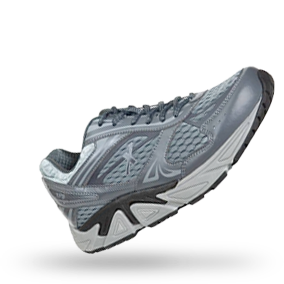
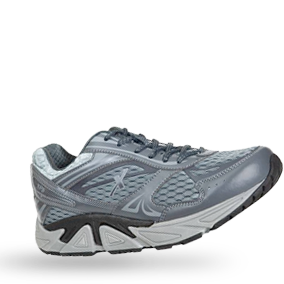
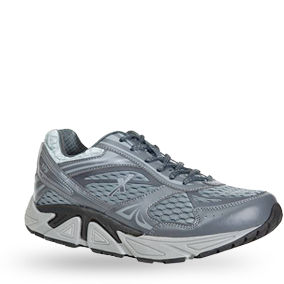
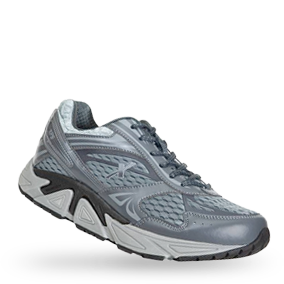
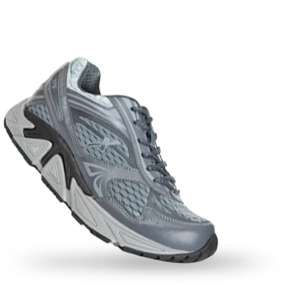
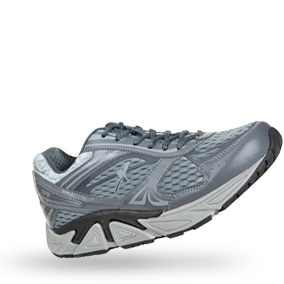
Supportive walking shoes should feel stable from the first step. Look for a structured heel counter that helps keep the heel positioned, a base that feels broad and secure beneath your foot, and cushioning that absorbs impact without feeling overly soft or unstable. A supportive midsole can help control excess motion through the gait cycle while promoting smoother forward movement.
Fit matters just as much as construction. Your heel should not slip, your toes should have room to spread naturally, and the shoe should feel comfortably secure through the midfoot. A shoe that is too loose can force your toes to grip. One that is too narrow can restrict movement and create pressure points that change how you walk.
Replace shoes when the outsole is unevenly worn, the midsole feels compressed, or the shoe no longer feels supportive. Even a well-designed shoe cannot provide reliable motion control after its structure has broken down.
Stable walking begins with controlled movement, not with trying to take larger or faster steps. Many people become less steady when they rush, overstride, or land too far in front of their body. A long stride can increase braking forces and make it harder to maintain a smooth, balanced rhythm.
Aim for shorter, more natural steps, especially when you are rebuilding confidence or walking on uneven ground. Let your heel contact the surface gently, move through the middle of the foot, and push off through the forefoot without forcing the motion. Keep your gaze forward rather than down at your feet. Looking several steps ahead helps your body anticipate changes in the surface while keeping your posture more upright.
Your arms can help, too. Allow them to swing naturally at your sides rather than holding them stiffly. A natural arm swing supports balance and reduces the tendency to twist through the torso. If you carry a bag, avoid loading one side heavily whenever possible. An uneven load can pull your posture off center and make each step feel less controlled.
Walking is a single-leg activity. Although both feet contact the ground during part of the gait cycle, much of your stability depends on your ability to control your body weight while standing on one leg. The ankles, calves, hips, glutes, and core all contribute.
You do not need a complicated workout to begin building that support. Start with slow, controlled movements two or three times a week. Sit-to-stands from a sturdy chair strengthen the legs in a movement pattern that transfers well to daily life. Calf raises can improve lower-leg control and push-off strength. Side leg raises or side steps can build the hip muscles that help keep the pelvis level as you walk.
Practice balance near a kitchen counter or another stable surface. Stand with your feet hip-width apart, then gradually work toward holding one foot slightly off the floor for a few seconds at a time. Keep one hand close to support rather than challenging yourself beyond what feels safe. The goal is controlled progress, not proving how long you can balance.
Ankle mobility deserves attention as well. Stiff ankles can limit how smoothly the body moves over the foot, which may lead to shuffling, shorter steps, or compensation at the knee and hip. Gentle ankle circles and controlled calf stretches can help if tightness is part of the problem. If stretching causes sharp pain, stop and speak with a qualified clinician.
The best walking route depends on your current stability, not just your motivation. A smooth, level path is often a better starting point than a sloped sidewalk, rocky trail, or crowded area with frequent stops and turns. As your confidence and strength improve, you can introduce more varied terrain gradually.
Slow down when you are tired, distracted, or walking in low light. Fatigue can reduce reaction time and change your form before you realize it. Wet leaves, loose gravel, curbs, thick rugs, and cluttered hallways also deserve more attention than people often give them. Small hazards matter when your foot placement is already inconsistent.
For outdoor walking, choose shoes with dependable traction and a stable platform. For indoor use, avoid worn slippers or socks on smooth floors if they make you feel less secure. The footwear you use at home can matter as much as the pair you use for exercise.
Pain and instability often reinforce one another. When the foot, knee, hip, or lower back hurts, the body naturally tries to avoid the painful position. That protective change may reduce discomfort temporarily, but it can also shift stress elsewhere and make your gait less steady over time.
Notice when discomfort begins. Does it happen at the first few steps in the morning, after a long walk, on hills, or only in a certain pair of shoes? Those details can help identify whether the issue is related to support, activity level, joint stiffness, or a specific movement pattern.
For people who need more than ordinary athletic cushioning, motion-control footwear can be a meaningful part of a walking stability plan. Xelero shoes are designed to support alignment, reduce impact stress, and encourage a more stable forward motion through the gait cycle. The goal is not to lock the foot in place, but to help reduce excessive movement that may contribute to fatigue and discomfort.
If you use custom orthotics, ankle braces, or a cane, make sure your footwear works with them. An orthotic can change the volume inside the shoe, while a brace may require a wider opening or additional depth. A cane should be adjusted to the appropriate height and used according to guidance from a healthcare professional.
Some walking changes are appropriate to address with better shoes, conditioning, and safer routines. Others deserve a prompt medical evaluation, especially if the change is sudden or getting worse. Contact a healthcare professional if you experience:
Medication side effects, inner-ear conditions, nerve changes, arthritis, circulation concerns, and neurological issues can all affect balance. A clinician, physical therapist, or podiatric professional can help identify the cause and recommend the right next step. Getting assessed is a practical form of prevention, particularly after a fall or a noticeable change in your gait.
The most effective changes are usually the ones you repeat. Wear supportive shoes for the activities that challenge you most, not only for long walks. Add a few minutes of balance and leg-strength work to your week. Give yourself more time when crossing uneven surfaces or navigating stairs. If you are returning to activity after pain or time away, increase distance gradually instead of trying to make up for lost time in one outing.
Better walking stability rarely comes from one dramatic fix. It develops when your footwear, strength, environment, and movement habits all work together. Each steady step is useful feedback: your body is finding a more comfortable, supported way to keep moving.