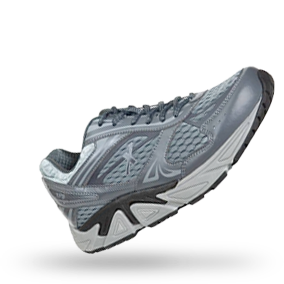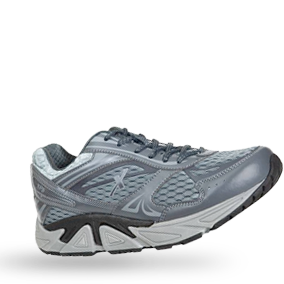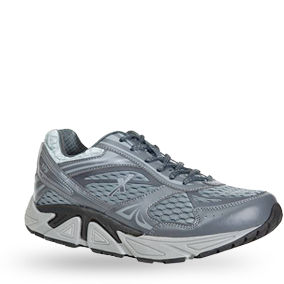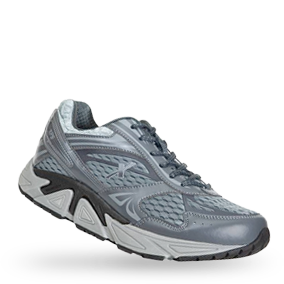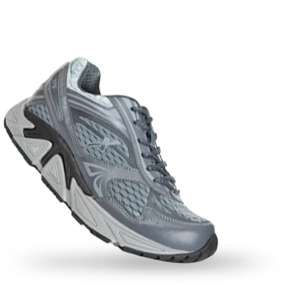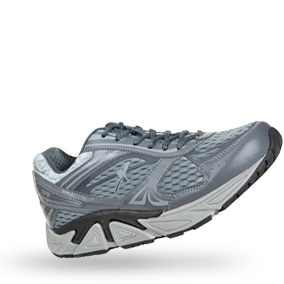
When your feet are not properly supported, the strain does not always stop at your feet. The way your foot lands and moves with each step can affect your ankles, knees, hips, and lower back. That is why walking support matters.
A supportive walking shoe can help improve alignment, reduce excess motion, and create a more stable stride. Over time, that may help reduce the stress your body absorbs during everyday movement.
Walking is something most people do without thinking, but it places repeated force on the body. Every step sends impact through the feet and up through the joints. If your shoes are not offering enough support, your body may have to compensate.
That can lead to issues like:
The right walking shoe helps support the foot through each stage of your stride so movement feels more controlled and less taxing.
Your feet are the foundation of your body. When that foundation is unstable, the rest of the body can feel it.
For example, shoes that lack support may allow:
Supportive footwear helps promote a steadier gait, which may reduce the repeated strain that builds up over the course of a day.
Good walking support is not just about adding more cushioning. A shoe should help you feel secure, balanced, and comfortable from heel strike to toe-off.
Helpful features often include:
That balance is important. A shoe that is too soft may feel comfortable at first, but it may not provide the support needed for long-term comfort and stability.
Many people assume comfort and support are the same thing, but they are not always identical. Comfort matters, of course, but stability is what helps keep the foot from moving in ways that can increase stress on the body.
A more stable walking shoe may help with:
For people who spend long hours on their feet, even small improvements in support can make a noticeable difference.
Supportive walking shoes may be especially helpful for people dealing with common concerns such as:
They can also be a smart choice for people who want more stability during everyday walking, work, travel, or extended time on their feet.
Sometimes the problem is not how much walking you are doing. It is the shoes you are doing it in.
A more supportive shoe may be worth considering if:
The goal is not to eliminate all discomfort overnight. It is to give your body a better foundation for movement.
Proper walking support can help reduce joint stress by improving how your body handles each step. When your feet feel more stable and aligned, the rest of your body may not have to work as hard to compensate.
That is why supportive walking shoes matter. They do more than cushion your feet. They can help promote smoother movement, better stability, and more lasting comfort throughout the day.