When people think about supportive shoes, they usually think about foot comfort first. That is understandable. If your feet hurt, your shoes are often the first thing you notice. But the way your feet move affects much more than just your feet. It can also influence how your ankles, knees, hips, and lower back feel throughout the day.
That is where motion control shoes come in. These shoes are designed to help limit excess foot motion and create a more stable walking experience. For people who need more support, that added control can help reduce the repeated stress that builds up step after step.
Your feet are the foundation of every step you take. They help absorb impact, support your body weight, and guide movement as you walk. If the foot is not moving in a stable, supported way, the rest of the body may have to compensate.
Those small changes may not feel dramatic at first. But walking is repetitive. Over the course of a day, even minor issues with alignment or control can add up. If the foot rolls too much, feels unstable, or lacks proper support, the force from walking may travel upward in a way that puts more strain on other joints.
That is why foot mechanics matter so much. Better control at the foot level can help create a smoother, more efficient stride from the ground up.
Motion control shoes are built to help reduce excess motion in the foot, especially for people who need more structure and stability than a basic walking shoe provides. In simple terms, they are designed to help keep the foot moving in a more supported and controlled way throughout the gait cycle.
That does not mean they are meant to make the foot feel stiff or unnatural. The goal is not to stop movement completely. The goal is to reduce movement that may create extra strain.
Motion control shoes are often designed to help with:
When the foot feels more secure and controlled, the rest of the stride often feels steadier too.
Too much motion at the foot level can create stress in several areas. The arch may feel strained. The heel may absorb more impact than it should. The forefoot may take on uneven pressure. Over time, this can lead to fatigue and discomfort that makes walking less comfortable than it should be.
A motion control shoe may help reduce some of that stress by supporting the foot more effectively during movement. That can help with:
For many people, that means walking feels less tiring and more controlled, especially during longer days on their feet.
The way your feet move influences how your legs move too. If the foot rolls inward too much or lacks stability, that motion can affect the knee during walking. The knee may end up handling more strain as it works to compensate for what is happening below it.
This does not mean every knee issue starts in the feet, but it does mean footwear can play a role in how much stress the knee absorbs throughout the day. A more supportive, controlled stride may help reduce some of the repeated strain that builds up with walking.
This is especially important for people who:
The same chain reaction can continue above the knees. When the feet are not well supported, the body may compensate in ways that affect posture and movement higher up. Over time, that can contribute to discomfort in the hips and lower back.
This may happen because poor foot control can lead to:
Again, shoes are not the only factor in hip or lower back discomfort. But they are often one of the most overlooked. When your feet have a better foundation, the rest of your body may not have to work as hard to compensate.
If you are looking for a walking shoe with motion control benefits, several features are especially important.
The core purpose of the shoe should be to help limit excess foot motion and create a more controlled stride.
Support around the heel helps improve the way the foot contacts the ground and starts each step.
Cushioning should absorb impact without feeling overly soft or unstable. A shoe can feel comfortable without letting the foot sink too much.
A supportive sole helps guide movement and provides more control than a shoe that bends or twists too easily.
A shoe that holds the heel in place can help reduce slippage and improve overall walking stability.
Some motion control shoes are designed to help the foot move more smoothly from heel strike to toe-off, which can make walking feel less jarring.
One of the biggest misconceptions in walking shoes is that softer always means better. Soft shoes can feel comfortable at first, but they do not always provide the support needed for long-term walking comfort.
A very soft shoe may:
By contrast, a motion control shoe is designed to combine comfort with structure. The goal is not just to feel good for a few minutes. It is to support better movement over time.
For people who need more support, motion control shoes can make a meaningful difference. By helping reduce excess foot motion, they may also help reduce repeated stress on the feet, knees, hips, and lower back. That can lead to a walking experience that feels steadier, more efficient, and less tiring over the course of the day.
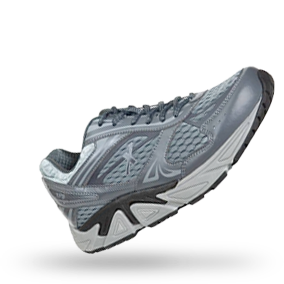
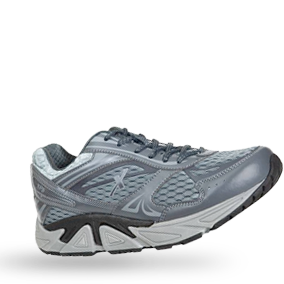
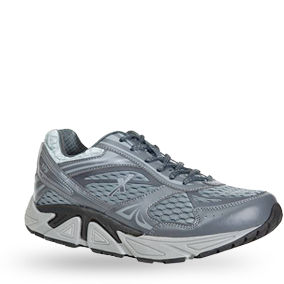
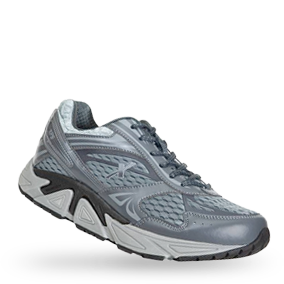
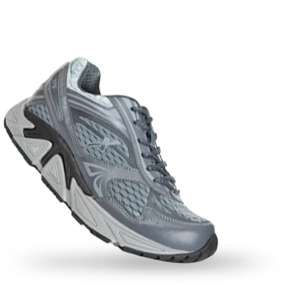
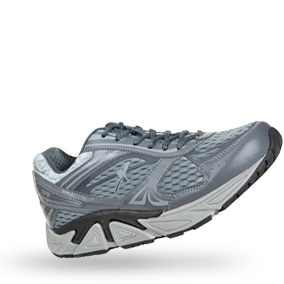
Xelero shoes are designed with motion control, rearfoot stability, and smoother forward movement in mind. For people dealing with foot fatigue, alignment issues, or discomfort that worsens with walking, that added support can help make everyday movement feel more comfortable and controlled.