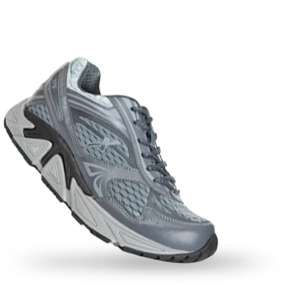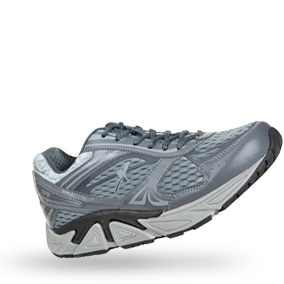
When people think about shoes, they usually think about foot comfort first. That makes sense. If your feet hurt, your shoes are often the first thing you notice. But footwear can affect much more than just your feet. The support, stability, and structure of a shoe can also influence how your ankles, knees, hips, and lower back feel throughout the day.
That is because your feet are the foundation of every step you take. If that foundation is unstable, too soft, or not supportive enough, the rest of your body may have to compensate. Over time, those small adjustments can add up and lead to discomfort that seems unrelated to your shoes at first. For many people, better footwear support can make a meaningful difference not only in foot comfort, but in how their whole body feels during walking and standing.
Walking is a full-body movement. Every time your foot hits the ground, force travels upward through your body. Your feet, ankles, knees, hips, and lower back all work together to absorb impact and keep you moving efficiently.
If your shoes are not providing enough support, your body may have to adjust in subtle ways. You may shift your weight differently. Your stride may change. Your posture may compensate without you even realizing it. These changes might seem minor in the moment, but when they happen over hundreds or even thousands of steps a day, they can start to affect your overall comfort.
That is one reason footwear matters so much. Shoes do not just cushion your feet. They help influence how your body handles movement from the ground up.
When your feet are not well supported, the effects can travel upward. If the foot rolls too much, feels unstable, or lacks enough structure, that can change how force moves through the rest of the body.
This may contribute to:
None of this means that shoes are the only cause of hip or lower back discomfort. Many factors can contribute. But footwear is often one of the most overlooked pieces of the puzzle, especially for people who spend long hours on their feet.
Stability is one of the most important qualities in a walking shoe, yet it is often overlooked in favor of softness. A shoe can feel plush when you first put it on, but that does not always mean it will support your body well over time.
A more stable shoe can help reduce excess motion during walking. When your feet feel more secure and supported, your body may not need to work as hard to stay balanced and aligned. That can lead to a steadier stride and less strain moving upward into the hips and lower back.
This is especially important for people who:
Support is not just about making the foot feel better in the moment. It is about helping the body move more efficiently over time.
If you are looking for shoes that may help reduce stress on the body, there are several features worth paying attention to.
Arch support can help the foot handle weight more effectively and reduce excess strain through the middle of the foot. This can also help improve overall alignment during walking.
Cushioning matters, but it should still feel supportive. Shoes that are too soft may allow too much motion and not enough control. Stable cushioning helps absorb impact without sacrificing support.
The heel plays a major role in how the foot starts each step. A secure heel can help improve rearfoot stability and reduce that loose or wobbly feeling some shoes create.
A more structured sole can help make walking feel smoother and more controlled. Shoes that bend or twist too easily may not provide enough support for people dealing with discomfort.
Some shoes are designed to help guide the foot through a more natural stride. This can help reduce abrupt impact and make movement feel less jarring over time.
Sometimes the signs are subtle. Your shoes may not seem uncomfortable at first, but they may still be contributing to the way your body feels by the end of the day.
It may be time to take a closer look at your footwear if:
In many cases, the issue is not just that the shoe is old. It is that it may no longer be giving your body the support it needs.
One of the biggest mistakes people make when choosing shoes is assuming that softness automatically equals comfort. Softness can feel good at first, but long-term comfort often comes from the right balance of cushioning, support, and stability.
A good walking shoe should help you feel:
That combination is often what helps make walking and standing feel easier on the body.
If hip or lower back discomfort tends to flare up after time on your feet, your footwear may be worth evaluating. This is especially true if you regularly wear flat shoes, worn-out sneakers, overly soft styles, or shoes that never feel quite stable enough.
You do not need to wait until your shoes are falling apart to replace them. Sometimes the signs show up in your body before they show up in the shoe itself. Paying attention to how your shoes affect your movement can help you make a better choice the next time you shop.
Footwear can influence much more than foot comfort alone. Because your feet are the foundation of movement, the support and stability in your shoes can play a role in how your hips and lower back feel throughout the day. When your shoes help create a more stable, supported stride, the rest of your body may not have to work as hard to compensate.
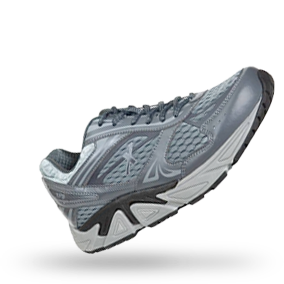
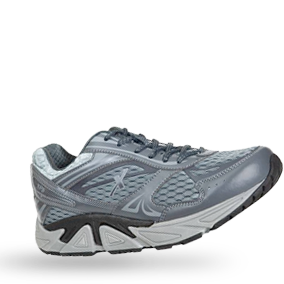
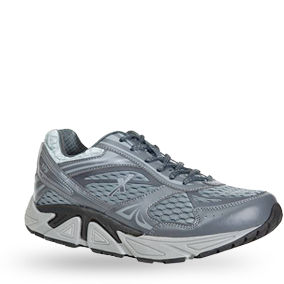
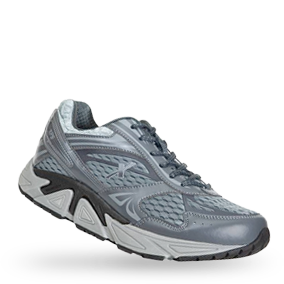
Xelero shoes are designed with stability, support, and smoother forward motion in mind. For people dealing with foot fatigue or discomfort that seems to travel upward into the hips or lower back, that added support can help make everyday walking feel more comfortable and controlled.