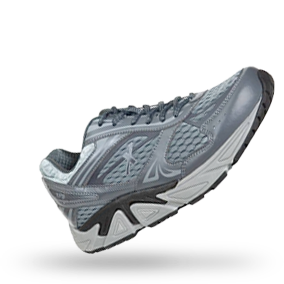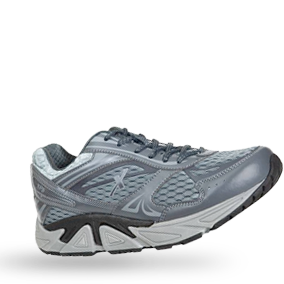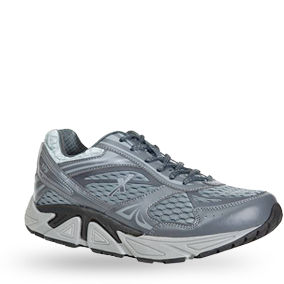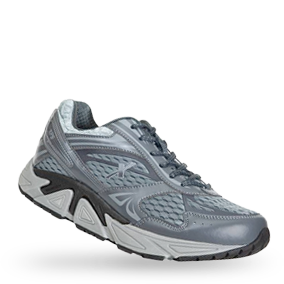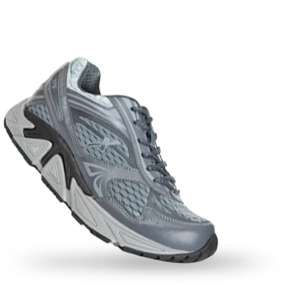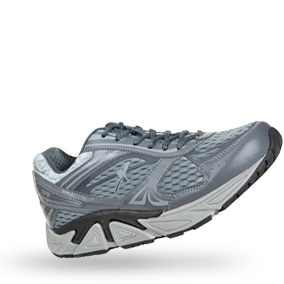
A walk around the block should not leave your feet aching, your knees feeling unsteady, or your lower back working harder than it needs to. This guide to supportive walking footwear is designed to help you recognize what your body needs from a shoe – and how the right design can make daily movement feel more stable, comfortable, and sustainable.
Walking shoes are often judged by softness alone. Cushioning matters, but a shoe that feels plush in the store can still allow too much foot motion, poor alignment, or instability over a longer walk. True support comes from how the shoe works through the entire gait cycle: landing, loading, moving forward, and pushing off.
Supportive walking footwear helps manage the forces created with every step. When your foot lands, impact travels upward through the ankles, knees, hips, and lower back. A well-designed walking shoe helps absorb part of that impact while providing a stable platform for the foot to move forward.
The goal is not to make your foot rigid. Your feet need to move naturally. The goal is to limit excessive or poorly controlled motion that can place additional stress on muscles, tendons, and joints. For many walkers, this is especially relevant when fatigue sets in, when walking on hard surfaces, or when dealing with conditions that affect balance, alignment, or comfort.
A supportive shoe generally combines a stable base, a structured upper, purposeful cushioning, and a sole designed to encourage a smooth transition from heel strike to toe-off. Each element has a role. If one is missing, the shoe may feel comfortable for a short period but fail to provide the consistent control needed for daily use.
Before choosing a shoe, consider when and where discomfort starts. Heel pain with the first steps of the day may call for a different fit and level of underfoot support than knee discomfort that develops after a mile. A shoe cannot diagnose or treat an injury, but it can reduce avoidable stress and support a more comfortable walking pattern.
Pay attention to whether your feet tend to roll inward, roll outward, or feel unstable on uneven ground. Excessive inward rolling, often called overpronation, can affect alignment farther up the leg. Some people have a naturally low arch and need more structure; others have high arches and may need cushioning plus a stable platform. Foot shape alone does not tell the full story, so focus on how you feel in motion rather than choosing a shoe based only on an arch label.
If you have persistent pain, numbness, swelling, a recent injury, diabetes, or significant changes in balance, speak with a qualified health care professional. Supportive footwear can be a meaningful part of a mobility plan, but ongoing symptoms deserve individualized attention.
The heel counter is the firmer structure that wraps around the back of the shoe. It should hold your heel securely without rubbing or pinching. When the heel shifts side to side, the foot may work harder to stabilize itself, which can lead to fatigue and irritation.
The upper should secure the midfoot as well. Laces, adjustable closures, or well-placed overlays can keep the foot centered over the sole. This matters because even a highly supportive midsole cannot work as intended if your foot slides around inside the shoe.
Motion-control features are designed to help manage excessive foot movement and promote more stable alignment. They may include a firmer medial area, a wide platform, structured sidewalls, or geometry that encourages the foot to stay centered during the stride.
More control is not automatically better for every walker. Someone with a neutral, comfortable gait may prefer moderate stability, while a person who regularly feels their ankle collapse inward may benefit from a more structured design. The right amount should feel steady and natural, not restrictive or awkward.
Cushioning protects against repetitive impact, particularly on concrete, tile, and other hard surfaces. Yet overly soft foam can feel unstable if it compresses too easily or allows the foot to sink unevenly. Look for cushioning that absorbs shock while maintaining a dependable, level base.
The best balance depends on your body weight, walking distance, pace, and sensitivity to impact. A person walking short distances for errands may prioritize a stable, supportive ride. Someone who walks several miles may need cushioning that remains responsive after repeated loading.
A walking shoe should help the body move forward efficiently. Features such as a rocker-shaped sole or a carefully contoured midsole can reduce the effort required to transition from heel contact through toe-off. This can be particularly helpful for walkers who experience forefoot discomfort, stiffness, or fatigue late in the day.
Forward-motion design should feel smooth rather than forced. Walk around on a firm surface and notice whether the shoe allows a natural roll through the step. If you feel as though you are balancing on a curved platform or being pushed too quickly, that model may not be the right match.
Your toes need space to spread slightly as you walk. A narrow or shallow toe box can cause rubbing, pressure on the nails, numbness, or aggravation of bunions and hammertoes. At the same time, a shoe that is too roomy can let the foot slide forward and create friction.
Aim for about a thumb’s width between your longest toe and the end of the shoe. Your longest toe may be your second toe, not your big toe. Width matters as much as length, so do not assume that sizing up will solve a shoe that is too narrow.
Try shoes later in the day, when feet are more likely to be slightly swollen. Wear the socks you normally walk in and test both shoes, because feet are rarely identical in size or shape. Walk on a hard floor if possible, take several turns, and pay attention to heel movement, pressure points, and overall balance.
A good supportive shoe should feel comfortable immediately. It may have a more structured feel than a lightweight casual sneaker, but it should not require a painful break-in period. Do not rely on the idea that a tight toe box, rubbing heel, or uncomfortable arch will eventually improve.
Check the shoe while standing and while moving. Your heel should remain centered, your midfoot should feel held without being squeezed, and your toes should not hit the front. Notice whether your body feels more aligned and secure, especially if you are used to walking with knee, hip, or lower-back discomfort.
One pair may not be ideal for every activity. A supportive everyday shoe can be excellent for errands, work, and neighborhood walks, while a hiking shoe may need more traction and protection for uneven trails. Sandals and slides can offer recovery comfort around the house or after activity, but many do not provide the heel security needed for longer walks.
Consider your primary surface, too. Sidewalk walking calls for durable cushioning and a stable outsole. Indoor walking may place less demand on traction but can still require support if you spend hours on hard floors. For travel, choose a pair that handles long periods of standing as well as walking between gates, terminals, and unfamiliar streets.
Xelero designs walking footwear around this functional relationship between motion control, impact reduction, alignment, and forward movement. The right model should support your routine rather than asking you to change it.
Walking shoes do not always look worn out when their support has faded. Midsole foam can compress gradually, and outsole wear can change how the shoe contacts the ground. If you notice that familiar shoes suddenly feel flatter, less stable, or less comfortable, their useful life may be ending.
The timeline varies widely based on body weight, gait, walking surface, and mileage. Rather than following one fixed number, inspect your shoes regularly. Uneven tread wear, a heel that leans to one side, creasing through the midsole, and new discomfort during normal walks are practical signs to consider replacement.
Rotating between two pairs can help if you walk frequently, particularly if one pair needs time to dry after rain or sweat. It also gives you a useful comparison: when one shoe feels noticeably less stable than the other, you may be ready for a new pair.
Supportive walking footwear is not about chasing the softest shoe or the most technical feature. It is about finding a stable, well-fitted design that helps your feet move with less strain, step after step. When your shoes support your gait instead of competing with it, a daily walk can become something you look forward to again.