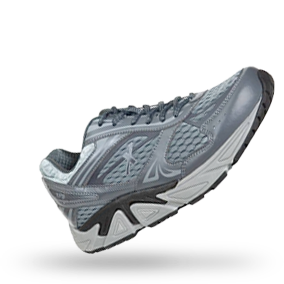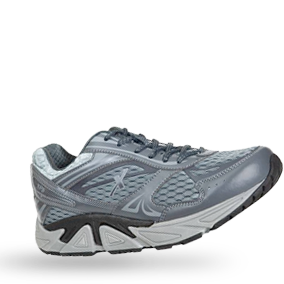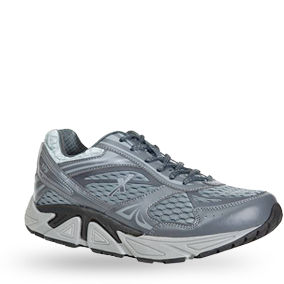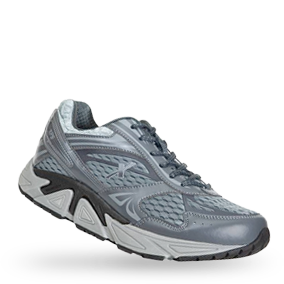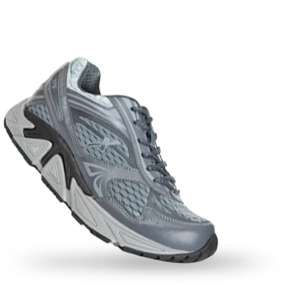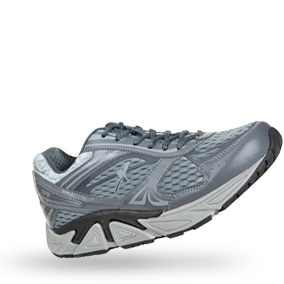
A long walk should not leave you planning the rest of your day around foot, knee, hip, or lower-back discomfort. When each step feels unstable, overly tiring, or painful, the shoe beneath you can either add to that stress or help manage it. This guide to motion control footwear explains how supportive shoes work, who may benefit, and how to find a pair that helps you move with greater confidence.
Motion control footwear is designed to help guide the foot through the gait cycle with greater stability. Its purpose is not to stop your foot from moving. Healthy walking requires movement. Instead, it helps limit excessive or poorly controlled motion that can place added stress on the feet, ankles, knees, hips, and lower back.
For many people, the concern is excessive inward rolling of the foot after the heel lands, often called overpronation. Some inward motion is normal and helps the body absorb impact. But when the foot rolls too far inward or too quickly, the arch may collapse more than it should, the ankle may feel less stable, and the lower leg can rotate in ways that affect alignment higher up the body.
Motion control shoes commonly use a stable platform, a supportive midsole, a structured heel area, and a shape that helps encourage forward movement. They may also include cushioning to reduce impact, but cushioning alone does not provide motion control. A soft shoe can feel comfortable in the first few minutes and still allow more movement than your body handles well over miles of walking or hours on your feet.
Motion control footwear can be useful for adults who feel unsteady while walking, notice their shoes wear down heavily along the inside edge, or experience recurring discomfort that seems worse after time on their feet. It is often a practical option for people with flat or low arches, though arch height alone does not determine what shoe you need.
You may also benefit if you are returning to activity after an injury, spending long shifts standing or walking, or looking for more dependable support during recovery. Walkers, runners, hikers, and older adults often value the extra stability because it can make daily movement feel less demanding.
Still, motion control is not automatically the right answer for every sore foot. People with a rigid, high-arched foot, limited ankle motion, or a gait that does not involve excess inward rolling may prefer a different balance of cushioning, flexibility, and support. Comfort matters, but so does how the shoe works while you move. If pain is severe, persistent, or changing the way you walk, consult a qualified health professional for individualized guidance.
The right pair should feel supportive without feeling like a hard brace. A well-designed motion control shoe helps create a more stable foundation while allowing your stride to progress naturally from heel contact to toe-off.
Choose footwear for the work you actually ask it to do. A walking shoe should provide reliable comfort over repeated heel strikes and long periods on hard surfaces. A running shoe needs to manage faster, higher-impact loading while still feeling responsive. Hiking footwear should offer stability on uneven terrain, while supportive sandals or casual shoes can help when you need comfort beyond your workout.
Using one worn-out athletic shoe for every activity can leave you without the support, traction, or protection your day requires. If you walk for exercise and stand at work, it may be worth having separate pairs so each shoe can perform as intended.
A shoe can feel firm and still be unstable. Look for a broad, well-planted base under the heel and midfoot, especially if you tend to feel like your foot shifts side to side. The sole should support you from the ground up rather than placing your foot on a narrow or overly rounded platform.
The heel counter, the structured material around the back of the shoe, should hold the heel securely without digging in. When your heel is better contained, the rest of the shoe has a stronger starting point for guiding your stride.
Supportive midsoles can help resist excess compression and unwanted foot motion during landing. This may come from firmer foam in strategic areas, a shaped midsole geometry, or other stabilizing design elements. The goal is controlled movement, not stiffness for its own sake.
There is a trade-off to consider. A highly controlling shoe may feel reassuring to someone who needs substantial stability, but it can feel restrictive to someone with a more neutral gait. Your best choice is the shoe that provides enough guidance to reduce strain without making your stride feel forced.
Even the most advanced support system cannot work well if the shoe is too short, too narrow, or too loose through the heel. Try shoes later in the day when feet may be slightly larger. Wear the socks you normally use for the activity, and leave about a thumb’s width between your longest toe and the front of the shoe.
Your heel should stay secure as you walk, while your toes should have room to spread naturally. A shoe that pinches across the forefoot can change how you load your foot. If you have bunions, swelling, or a wider forefoot, seek a width and toe box that accommodate your foot rather than sizing up until the length is excessive.
Shoes do not need visible holes to be past their useful life. Midsole foam can lose its ability to cushion and guide movement long before the upper looks worn. If a familiar route suddenly leaves you more fatigued, your shoes may be part of the reason.
Watch for uneven outsole wear, especially on the inside edge; a heel that feels compressed or tilted; new rubbing or pressure points; and a noticeable loss of stability. You may also notice that your feet, knees, or back feel worse late in the day than they did when the shoes were newer.
Do not rely only on a wear pattern to diagnose your gait. The way a shoe wears is one clue, not a full assessment. Consider how your body feels during and after activity, how secure your foot feels in the shoe, and whether the shoe still provides even support from side to side.
If you are moving from a flexible casual shoe to motion control footwear, give your body time to adapt. Start by wearing the new pair for shorter walks or part of the day, then gradually increase use as long as you feel comfortable. A dramatic change in support can feel unfamiliar even when the shoe is appropriate.
Pay attention to more than the first impression. A shoe that feels plush while standing may not feel supportive after an hour of walking. Likewise, a structured shoe may feel different at first but become noticeably more comfortable once you experience its stability over a full day.
Xelero footwear is engineered around this balance: helping support alignment, absorb impact, and encourage forward motion so daily activity can feel more manageable. The goal is not simply a softer step. It is a more supported one.
Motion control shoes work best as part of a practical approach to mobility. Replace shoes before support has fully broken down, choose the right footwear for the surface and activity, and increase walking or running volume gradually. If you use orthotics, bring them when trying on shoes to make sure the fit remains secure and comfortable.
The right motion control footwear should let you focus less on guarding every step and more on where that step can take you.