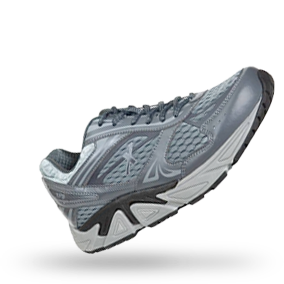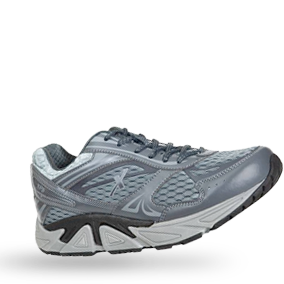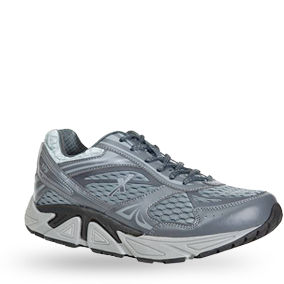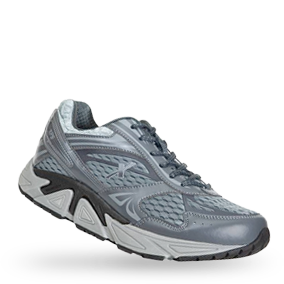
A walk around the block should not leave your knees aching, your hips tight, or your lower back more irritated than when you started. A guide to joint friendly footwear starts with a simple truth: every step sends force through your feet and up the kinetic chain. The right shoes cannot solve every source of pain, but they can help reduce unnecessary impact, support steadier alignment, and make daily movement feel more manageable.
For adults who walk for exercise, stand at work, run errands, hike, or return to activity after discomfort, footwear is not a minor detail. It is part of how the body manages motion. Joint-friendly shoes should help you move forward with confidence rather than forcing your feet, ankles, knees, and hips to compensate for a poor foundation.
Joint-friendly footwear is designed to reduce the stresses that can build up with repetitive movement. That does not always mean choosing the softest shoe on the shelf. Excessively soft footwear can feel pleasant at first but may allow too much side-to-side movement, especially for people who overpronate, have unstable ankles, or feel knee pain after long periods on their feet.
A more supportive approach balances cushioning with control. The shoe should absorb impact while helping the foot stay in a more stable position through the gait cycle, from heel strike through toe-off. When a shoe supports a more efficient stride, it may reduce the compensations that contribute to discomfort in the feet, knees, hips, and lower back.
The best level of support depends on your body, your activity, and the symptoms you experience. A person walking on flat sidewalks has different needs than someone hiking uneven trails or standing on concrete for eight hours. Still, several features consistently matter.
Cushioning helps soften the repeated impact of walking and running, particularly on hard surfaces. Look for cushioning that feels protective without making you feel unsteady. A wide, well-structured base can help distribute pressure more evenly and give the foot a dependable platform at contact.
More cushioning is not automatically better. If a highly cushioned shoe feels wobbly, causes your ankles to roll inward, or makes you work harder to balance, it may not be the right choice. The goal is impact reduction with controlled movement.
Some feet roll inward more than others during walking or running. A small amount of pronation is normal, but excessive inward motion can place added demand on the ankles, knees, hips, and lower back. Shoes with motion-control features can help guide the foot through a more stable path and limit excessive rolling.
This is especially useful for people who notice uneven wear on the inside edge of their shoes, recurring arch fatigue, or discomfort that appears after longer walks. Motion control should feel supportive, not restrictive. If the shoe creates pressure points or feels like it is pushing your foot into an unnatural position, reassess the fit and support level.
Your heel should not slide up and down with every step. A structured heel counter and a secure upper help keep the rearfoot more stable, which can improve control from the ground up. This matters because an unstable heel can allow the foot to shift inside the shoe, leading to friction, fatigue, and less predictable movement.
Laces, adjustable closures, and well-designed uppers allow you to customize the fit. Slip-on styles can be convenient for recovery and short periods of wear, but a walking or hiking shoe usually needs enough adjustability to hold the foot securely during sustained activity.
The shoe that supports your joints best is often tied to how you use it. A casual shoe that feels fine for errands may not provide enough control for a three-mile walk, while a trail shoe may feel overly firm or heavy for indoor wear.
For regular walking, prioritize a stable platform, protective cushioning, and a smooth transition from heel to toe. A shoe with a forward-motion design can help encourage an efficient stride, reducing the feeling that you have to push hard off the ground with every step.
If you spend long days standing, pay close attention to how your feet and joints feel in the final hour of wear, not just when you first put the shoes on. A dependable walking shoe should maintain support as fatigue builds. Room in the toe box also matters, since feet often swell through the day.
Running creates higher impact forces than walking, so cushioning and stability become even more important. Choose a shoe built for your pace and mileage rather than relying on an old casual sneaker. If knee, hip, or shin discomfort increases as you add distance, reduce volume temporarily and evaluate both your footwear and training progression.
Runners who need more guidance may benefit from motion-control construction, but support should match the individual. A shoe that is too controlling for your gait can feel uncomfortable, while too little structure can leave you feeling unstable. Comfort, steady alignment, and a controlled landing are better indicators than marketing labels alone.
Hiking shoes need to manage more than impact. Roots, rocks, slopes, and loose surfaces challenge ankle stability and foot placement. Look for a stable outsole, secure heel hold, durable upper, and traction appropriate for the terrain. A shoe with good underfoot protection can also reduce the strain caused by repeatedly stepping on uneven surfaces.
Do not assume a heavier hiking shoe is always more supportive. Weight can increase fatigue over long distances. For well-maintained trails, a lighter hiking shoe with a stable base may be enough. For technical terrain or a history of ankle instability, more structure may be worth the trade-off.
Open footwear can be useful for recovery, warm weather, and short walks, but not every sandal is joint-friendly. Thin, flat sandals offer little shock absorption or arch support and may require your toes to grip with each step. Over time, that can contribute to foot fatigue and alter how you walk.
Choose sandals or slides with contoured footbeds, supportive cushioning, and a stable sole. For longer walks, adjustable straps are preferable to loose slides because they help keep the foot positioned correctly. Recovery footwear can feel excellent after activity, but it is not always a replacement for a secure walking shoe.
Even advanced cushioning and motion control cannot do their job in a poorly fitted shoe. Fit affects how well the shoe stabilizes the foot, how pressure is distributed, and whether you can walk naturally without gripping or sliding.
Try shoes on later in the day, when feet tend to be slightly larger. Wear the socks you plan to use, stand fully in the shoe, and leave about a thumb’s width between your longest toe and the front. Your heel should feel secure, while the forefoot should have enough room to spread naturally.
Pay attention to width as well as length. A shoe that is too narrow can crowd the toes and create pressure along the sides of the foot. One that is too wide may allow excess movement that reduces stability. If one foot is larger, fit the larger foot and adjust the other shoe with lacing or an appropriate insole if needed.
Footwear can support comfort and reduce avoidable stress, but ongoing joint pain deserves attention. If pain is sharp, swelling persists, your knee gives way, you have numbness, or symptoms change your gait, speak with a qualified healthcare professional. These signs may point to an issue that requires more than a footwear adjustment.
It also helps to make changes gradually. A more supportive shoe can feel different because it changes how your body experiences the ground. Start with shorter wear periods, especially if you are transitioning from flat, flexible, or worn-out shoes. Replace athletic footwear when cushioning has compressed, the outsole is unevenly worn, or the shoe no longer feels stable.
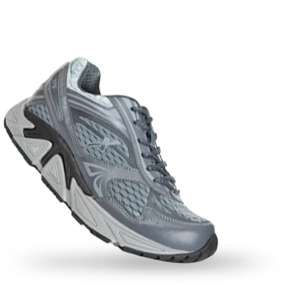
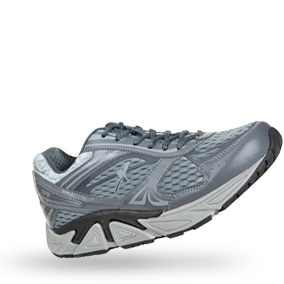
Xelero footwear is built around the idea that better motion starts at the ground, combining supportive cushioning, stability, and forward-motion design for people who want to stay active with less strain.
Your joints carry you through every errand, workout, commute, and weekend plan. Choose footwear that gives them a steadier place to land, then let comfort become part of what keeps you moving.