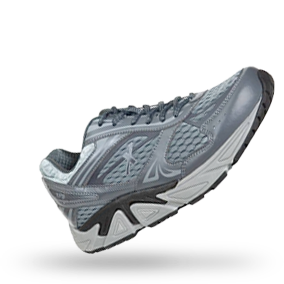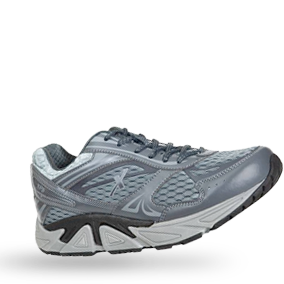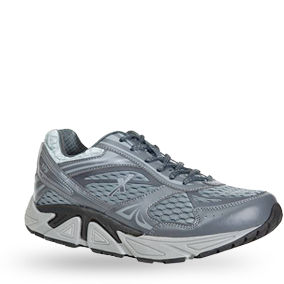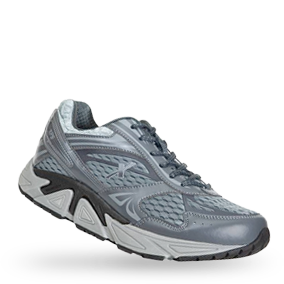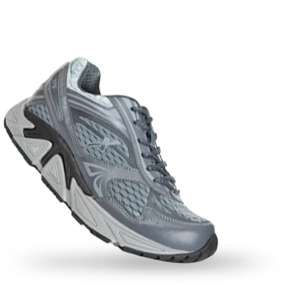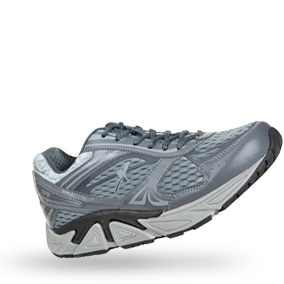
By midafternoon, foot fatigue can make a short walk across the parking lot feel like one more task your body would rather skip. The best shoes for foot fatigue do more than feel soft when you first put them on. They help manage the repeated impact, instability, and muscle effort that build up with every step.
Foot fatigue is common among people who walk for exercise, work on hard floors, travel, run errands, or spend long hours standing. It can show up as aching arches, burning soles, heavy legs, sore heels, or a general sense that your feet have run out of support. While a break may help in the moment, the right footwear can reduce the stresses that keep bringing the discomfort back.
Your feet absorb force, adapt to changing surfaces, and help guide your body forward with every stride. When a shoe lacks structure, your foot muscles may have to work harder to stabilize the ankle and maintain alignment. Over many hours, that extra effort can contribute to fatigue that spreads beyond the feet to the knees, hips, and lower back.
Hard flooring is a frequent culprit, but it is not the only one. Shoes that are overly flexible, worn down, too narrow, or loose at the heel can also make fatigue worse. Even a heavily cushioned shoe may fall short if the foot rolls excessively inward or outward during the gait cycle.
Foot fatigue does not always mean you need the softest shoe available. It often means you need better support in the places where your body needs to control motion and distribute pressure.
A supportive shoe should feel secure without feeling restrictive. The goal is to create a stable platform that supports your natural stride rather than forcing your feet to compensate for the shoe.
When the foot moves too far side to side, the muscles and joints must work harder to maintain balance. Motion-control footwear is designed to help guide the foot through a more stable path from heel strike through toe-off. This can be particularly helpful for people whose feet roll inward, who feel unsteady on one leg, or who notice pain developing after long periods on their feet.
Look for a firm, supportive heel counter that helps hold the rearfoot in place. A stable base and purposeful midsole geometry also matter. These features can reduce the feeling that your foot is collapsing or drifting with each step.
Cushioning helps lessen the repeated impact that travels from the ground through the feet and lower body. But there is a trade-off. Very soft foam can feel pleasant at first while allowing the foot to sink or shift too much, especially for someone who needs more control.
For foot fatigue, the most effective cushioning is usually protective and responsive rather than excessively plush. It should absorb shock while retaining enough structure to keep the foot supported during a full day of walking or standing.
A shoe can have excellent technology and still cause fatigue if it does not fit correctly. A toe box that is too tight can crowd the forefoot and increase pressure. A shoe that is too loose may cause gripping, sliding, or friction, forcing the toes to work harder to hold the shoe in place.
Your heel should feel comfortably contained, your midfoot should feel supported, and your toes should have room to spread naturally. If you wear orthotics or need additional volume, choose a shoe with enough depth and a removable insole when possible.
A smooth transition from landing to toe-off can make walking feel less demanding. Shoes with a well-designed rocker profile or forward-motion construction can help reduce the effort required to move through each step. This is valuable for people with tired feet, stiff joints, or discomfort around the forefoot, as long as the shoe remains stable underfoot.
The right answer depends on when and where your fatigue occurs. A shoe that performs well for a three-mile neighborhood walk may not be the best choice for an eight-hour shift on concrete.
Prioritize a stable walking shoe with reliable cushioning, a supportive heel, and a secure midfoot fit. Walking puts thousands of repetitive loading cycles through your feet, so consistency matters more than a lightweight, minimal feel. If your feet are tired by the end of a normal day, avoid thin soles and overly flexible casual shoes that provide little protection from hard surfaces.
Standing fatigue is often linked to constant pressure on the heel and forefoot. Seek a shoe with a supportive platform, shock absorption, and enough room to prevent toe compression as your feet naturally swell during the day. If your work requires frequent turns, carrying items, or walking on slick floors, stability becomes even more important.
It can be tempting to choose a very soft slip-on for convenience. However, a shoe that lacks a secure heel fit or structured upper may leave your feet working harder by late afternoon.
Runners and fast walkers need cushioning, but they also need a shoe that can support their stride at a higher level of impact. Consider your running mechanics, training volume, and the surfaces you use. A stable running shoe can be a better choice than a neutral, highly flexible model if you experience recurring foot fatigue, arch strain, or discomfort that continues after activity.
For higher-mileage days, rotate between two supportive pairs when practical. Alternating shoes gives the foam time to recover and may reduce repetitive loading in exactly the same pattern day after day.
Trails demand more from the ankles and feet than flat pavement. Choose hiking footwear with a stable sole, dependable traction, and a secure upper that limits unwanted foot movement. The shoe should protect against rocks and uneven ground without feeling so stiff or heavy that it increases fatigue over distance.
If hiking leaves your arches or forefeet sore, examine whether the shoe is too flexible or whether the fit allows your foot to slide downhill. Small fit issues can become major sources of fatigue on a long descent.
Shoes do not need visible holes to stop supporting you. Midsole foam gradually loses its ability to absorb impact, and outsole wear can change how the shoe contacts the ground. If one side of the outsole is more worn than the other, your shoes may no longer be giving you a stable base.
Pay attention to patterns: Do your feet hurt only in one pair? Do you feel better after switching to a more structured shoe? Are you gripping with your toes, or does your heel lift while walking? These clues often point to a fit or support issue rather than a lack of toughness on your part.
Replace footwear when the cushioning feels packed down, the heel counter has become soft or tilted, or the sole is visibly worn unevenly. For active shoes, tracking mileage can help, but your body’s feedback matters just as much.
Shoes are central to managing foot fatigue, but a few habits can improve their benefit. Wear the socks you normally use when trying on shoes, because thickness changes fit. Try shoes later in the day when your feet are slightly fuller. Walk on a firm surface and notice whether the heel stays secure and the forefoot feels free.
If you use custom orthotics or have been advised to use inserts, make sure the shoe has enough depth and volume to accommodate them without creating pressure on the top of the foot. For persistent or worsening pain, numbness, swelling, or pain that changes your gait, consult a qualified health professional rather than trying to push through it.
Xelero footwear is designed around the idea that comfort is not simply softness. Motion-control support, shock absorption, and a stable path forward can help reduce the unnecessary work that turns a normal day into a painful one.
Your feet carry every plan you make, from a morning walk to an afternoon with family. Give them footwear that feels dependable at the end of the day, not just comfortable for the first five minutes.