Heel pain can make even simple movement feel frustrating. For some people, it shows up as sharp pain with the first few steps in the morning. For others, it feels more like soreness or tenderness that builds throughout the day. No matter how it starts, the wrong shoes can make it harder to stay comfortable.
That is why it helps to know what to look for.
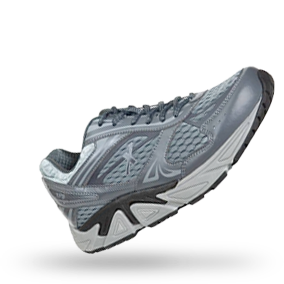
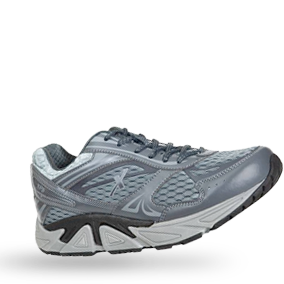
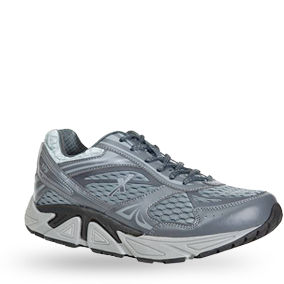
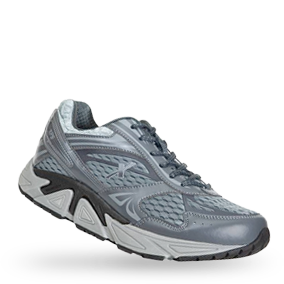
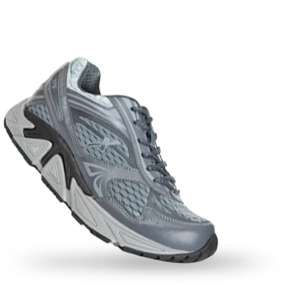
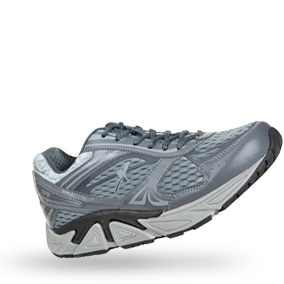
A shoe for heel pain should do more than feel soft when you try it on. It should provide the right mix of cushioning, structure, and stability to help reduce repeated stress on the heel during daily movement. Xelero shoes are designed to provide stable support, smoother forward motion, and better alignment throughout the gait cycle. For people dealing with issues like heel pain, plantar fasciitis, foot fatigue, or joint discomfort, that combination can help make everyday walking feel more comfortable and supported
Cushioning matters for heel pain, but not all cushioning works the same way. A shoe that feels overly soft may seem comfortable at first, yet still allow too much motion or fail to support the foot properly over time.
A better option is usually stable cushioning, which helps:
The goal is balance. You want softness where you need it, but also enough structure to help keep the foot supported.
Because heel pain is often concentrated at the back or bottom of the foot, heel support is one of the most important features to prioritize. A shoe with a secure heel can help reduce unwanted movement and create a more controlled stride.
Look for:
If the back of the shoe feels loose or unstable, that may work against you. A more secure heel area can help walking feel steadier and less aggravating.
Even though the pain may be in the heel, the arch still matters. When the arch is not supported, the plantar fascia and surrounding structures may have to take on more stress with every step.
That is why a shoe for heel pain should usually include:
Good arch support can help reduce strain on the heel by improving how force moves through the foot during walking.
A flimsy shoe may not provide enough protection for someone dealing with heel pain. If the sole bends too easily or the shoe twists with little resistance, the foot may not get the support it needs.
Instead, many people do better with a shoe that feels more structured and controlled. A supportive sole can help encourage smoother movement and reduce the kind of repeated stress that makes heel pain worse.
Shoes that help guide movement more smoothly can also be useful for people with heel pain. When walking feels less abrupt and the foot transitions more efficiently from heel strike to toe-off, that may reduce stress at painful points.
Helpful features can include:
The internal rocker in Xelero Shoes promote enhanced forward motion while also providing rearfoot stability, which aligns with the type of controlled movement many people look for in a comfort-focused walking shoe.
Along with the major support features, a few smaller details can improve overall comfort for people dealing with heel pain.
These may include:
These features may not directly solve heel pain, but they can make the shoe easier to wear consistently and comfortably.
If you are shopping for shoes for heel pain, it is also helpful to know what may work against you.
In many cases, it is smart to avoid:
A shoe that lacks support may increase the strain placed on an already irritated heel.
Heel pain can affect how you walk, how long you stay on your feet, and how comfortable everyday life feels. The right shoe will not fix every underlying issue, but it can help reduce the repeated stress that makes heel pain harder to manage. Stable cushioning, heel support, arch support, and smoother forward motion are all worth prioritizing.
For people looking for a shoe built around those ideas, Xelero shoes combine stable cushioning, rearfoot stability, an internal rocker for smoother forward motion, and a control plate designed to off-load bottom pressure. The brand also says its shoes are designed to help with common issues such as plantar fasciitis, metatarsalgia, ankle pain, knee pain, and lower back pain related to misalignment.