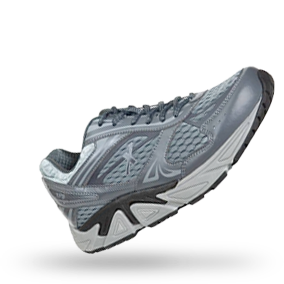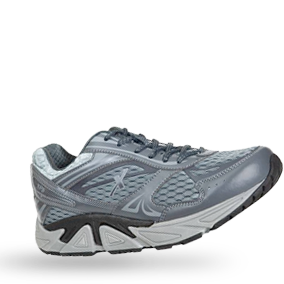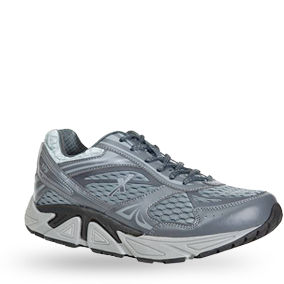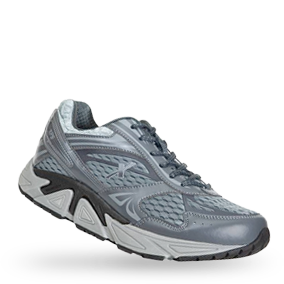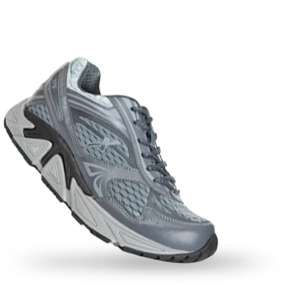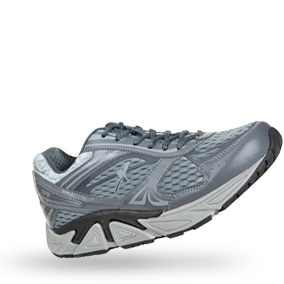
A long walk should leave you feeling worked in, not worn down. For many men, that difference comes down to support. When your foot rolls too far inward, your heel shifts off line, or your stride loses stability as fatigue sets in, the wrong shoe can add stress to your feet, knees, hips, and lower back. That is why motion control walking shoes men rely on are built for more than cushioning alone. They are designed to guide alignment, improve stability, and help each step feel more controlled from heel strike through toe-off.
Walking puts repetitive force through the same joints and tissues thousands of times a day. If your gait is efficient and your foot remains stable, that force is usually well managed. But when excessive pronation, instability, or poor alignment enters the picture, even everyday walking can become tiring or painful.
Motion control shoes are made to limit unwanted movement. In practical terms, that means helping the foot stay centered, reducing side-to-side instability, and supporting a smoother path forward. For men who deal with overpronation, flat feet, plantar fasciitis, posterior tibial tendon strain, knee discomfort, or lower-back fatigue, that added structure can make a noticeable difference.
This does not mean every walker needs the firmest shoe possible. Too much correction can feel restrictive if your gait is already fairly neutral. The goal is not to force the foot into an unnatural position. The goal is to provide the level of guidance your body needs to stay comfortable and efficient over time.
The strongest candidates are men who know they need more stability than a standard walking or athletic shoe provides. If the inside edge of your old shoes wears down quickly, if your arches collapse when you stand, or if you feel your ankles rolling inward as you walk, motion control is worth considering.
These shoes also tend to help men who spend long hours on their feet at work, walk daily for exercise, or want to stay active without aggravating chronic discomfort. If your current shoes feel soft at first but leave you sore later, that is often a sign that cushioning alone is not solving the problem.
Age can play a role as well. As mobility changes and the body becomes less tolerant of repeated impact or instability, a more supportive walking platform can help preserve comfort during daily activity. That is especially true for men who want to keep walking regularly for heart health, weight management, or recovery after previous injury.
The best support usually comes from a combination of features rather than one single design element. A stable heel counter helps keep the rearfoot aligned. A firm midsole resists collapse under load. A broad base creates a more planted feel, which can reduce wobble during stance. Structured arch support can help manage excessive inward roll, while a smooth rocker or forward-motion design can make the stride feel less effortful.
Fit matters just as much as construction. A motion control shoe should hold the heel securely without pinching, give the forefoot enough room to spread naturally, and feel supportive rather than stiff for the sake of stiffness. If the toe box is too narrow or the upper creates pressure points, even a technically supportive shoe can become a poor choice.
Shock absorption is another key part of the equation. Men looking for motion control often also want relief from impact stress, especially if they have joint sensitivity. The right shoe balances firmness and cushioning so that the platform stays stable while still softening repetitive loading.
A common mistake is assuming the softest walking shoe will be the most comfortable. For some men, especially those with unstable mechanics, very soft foam can allow the foot to sink and drift more than it should. That can increase strain instead of reducing it.
On the other hand, a shoe that feels overly rigid may create its own problems, especially if you walk long distances or have sensitive feet. The best motion control walking shoes for men strike a middle ground. They feel secure underfoot, but they still move with your gait and absorb impact in a controlled way.
This is where performance-oriented comfort footwear stands apart from generic comfort shoes. True support is not just about adding padding. It is about helping the body move through the gait cycle with better alignment and less wasted motion.
Pain relief is rarely about one feature alone, and shoes are not a cure for every condition. Still, footwear can play a meaningful role in reducing the forces that contribute to discomfort.
When a shoe helps stabilize the heel and guide the foot through a more efficient walking path, it can reduce strain on the plantar fascia, lessen stress on the arch, and improve how force travels up the kinetic chain. That can matter if you deal with recurring soreness in the ankles, knees, hips, or lower back.
Men with arthritis, long-standing overpronation, or recovery needs after periods of reduced mobility often benefit from this kind of structured support. In those cases, a stable walking shoe can make it easier to stay active without paying for it later.
It is still important to keep expectations realistic. If pain is severe, sudden, or getting worse, footwear should be part of a broader plan that may include medical evaluation, orthotics, stretching, or changes to training volume. But for many people, the right walking shoe is one of the most immediate and practical improvements they can make.
A standard walking shoe may work well if you have a neutral gait and only need general cushioning. But if you consistently feel tired through the arch, unstable through the heel, or sore after what should be manageable activity, it may be time to move into a more supportive category.
This is especially true if you have already tried soft comfort shoes and still find that your posture collapses as the day goes on. In that situation, the issue is often control, not just comfort. A shoe with a stable platform and motion-guiding design may help you walk farther and recover better after activity.
That is also why some men find better results in specialized footwear from biomechanical brands such as Xelero, where the emphasis is not style-first cushioning but support, alignment, and forward-moving stability.
Start with your actual use case. A man who walks two miles a day for exercise may want a different feel than someone who stands on concrete all shift or someone managing chronic foot pain around the house and on errands. The right shoe should match both your gait needs and your daily routine.
Pay attention to how the shoe feels at the heel, midfoot, and forefoot. The heel should feel locked in. The midfoot should feel supported without harsh pressure. The forefoot should allow natural movement, especially if your feet swell during the day.
If you wear orthotics, bring them into the fitting process. Some motion control shoes work well with inserts, while others have built-in support that may change the fit. It depends on how much correction you need and how the shoe is structured.
Also consider how your body responds after wear, not just during the first few minutes. A shoe can feel comfortable in the store and still fail to control motion over a longer walk. If possible, judge it by how your feet and joints feel later in the day.
The point of motion control walking shoes is not to make your feet feel constrained. It is to help you move with more confidence and less strain. For men who need real support, that can mean fewer aches after a walk, better stamina on busy days, and a stronger sense that activity is helping the body instead of aggravating it.
The right pair should feel like it is working with your gait, not fighting it. When support, cushioning, and alignment come together, walking becomes more consistent, more comfortable, and easier to maintain as part of everyday life. If your current shoes leave you unstable or sore, a more controlled platform may be the upgrade your body has been asking for.
Good walking shoes do more than get you from one place to another. They can help you keep moving on your terms, with the kind of stability that supports every step ahead.