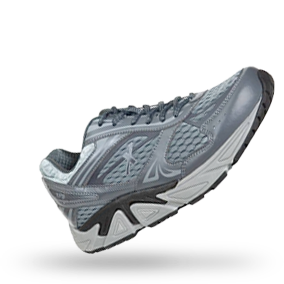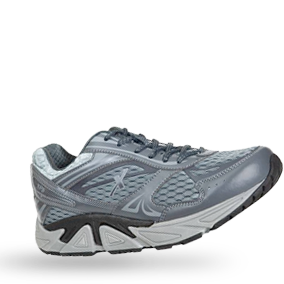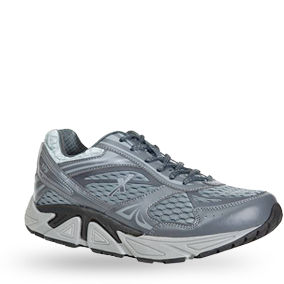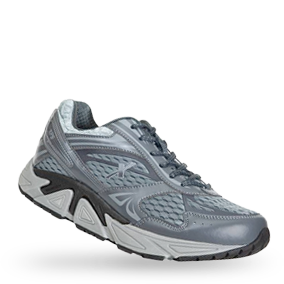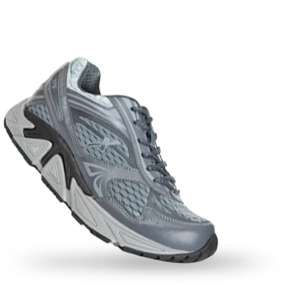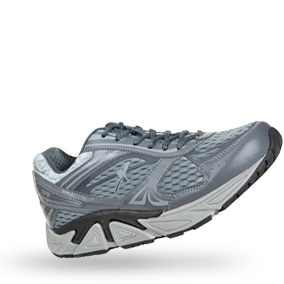
Suppose two hikers start from the same trailhead. One opts for a low-cut shoe for a lighter, more natural feel, and the other for a high-top boot for more coverage and protection. Neither choice is inherently better. The right one depends on the terrain, your load, and the kind of support your feet need.
What might feel fine on flat ground will soon show its true colors on rocky, uneven trails. That’s why the difference between low-cut and high-top hiking shoes is more than just ankle height. It’s about finding the right balance of support, stability, freedom of movement, and comfort for the way you hike.
The most obvious difference is where the upper ends.
Low-cut hiking shoes are below ankle height. They tend to be lighter weight and provide more ankle freedom, making them popular for day hikes, well-maintained trails, and hikers who value mobility.
High-top hiking shoes extend above the ankle. They offer more coverage and can make you feel more secure on rough terrain, especially when carrying a heavy pack or navigating uneven surfaces.
| Feature | Low-Cut Hiking Shoes | High-Top Hiking Shoes |
| Ankle coverage | Lower | Higher |
| Freedom of movement | Excellent | More restricted |
| Weight | Usually lighter | Usually heavier |
| Mobility | High | Moderate |
| Trail type | Easy to moderate trails | Rugged and technical terrain |
| Pack weight | Best with lighter loads | Better suited to heavier loads |
| Ankle protection | Less coverage | More coverage |
| Ventilation | Often better | Can be warmer |
| Best for | Day hikes and faster movement | Rough terrain and demanding hikes |
The important takeaway is that neither style is inherently better. Where and how you hike makes the best choice.
It really depends on your load and your terrain. High-tops earn their reputation on the technical ground of loose rock, scree fields, and river crossings, where lateral ankle support really cuts down on the risk of a rolled ankle. They are also more comfortable with heavier pack weights because more weight increases your center of gravity and makes you less stable with each step.
If you’re hiking with a pack over 25 pounds, going on multi-day backpacking trips, or frequently hiking on loose or uneven terrain, a high-top is often the way to go.
Pros:
Cons:
But for well-maintained trails, day hikes with light packs, and hikers who prefer speed and agility to maximum coverage, low-cut shoes usually take the prize. They’re lighter, which matters more than people expect over several miles, and they allow your ankle muscles to work naturally instead of relying entirely on external structure.
Low-cut shoes also help with ventilation in hot weather and are more likely to reduce blisters around the ankle collar, as they have less material to create friction points.
Pros:
Cons:
You want a hiking shoe that helps control unwanted movement, but lets your foot move naturally through the gait cycle. Search for:
This is especially important if you experience problems such as overpronation, fatigue, or chronic pain in your feet, knees, or lower back.
Instead of picking a side in the height debate, match your choice to your actual plans:
Xelero Shoes, however, looks at support differently. Instead of just looking at how high a shoe is, they look at stability, motion control, cushioning, and forward motion.
Xelero shoes feature a Carbon Nylon Control Plate for stability and pressure reduction under the foot and a Propulsion Element for stability, control, and forward movement. Gel pads in the heel and forefoot provide shock absorption.
If you’re a hiker who wants a little more protection and structure, the Hyperion II is built on the Matrix outsole, adding waterproof leather and a more lugged bottom for hiking and rough terrain. It comes in low-top and high-top versions, so it’s easier to see the difference in coverage, while keeping the basic support approach the same.
Steadfast Hiker and Trail models combine Xelero technology with a lugged rubber outsole and Aquamax waterproof/breathable/seam sealed construction for more demanding trail conditions.
According to Fortune Business Insights, the global market for hiking footwear was valued at approximately $11.91 billion in 2026 and is projected to reach $20.06 billion by 2034, exhibiting a CAGR of 6.74%. The market offers footwear for hiking, trekking, backpacking, scrambling, and other challenging outdoor activities.
Hiking shoes today are more than just a tough outsole. Lightweight construction, cushioning, stability systems, waterproof materials, and more specialized support features are increasingly part of the conversation.
Whichever style you choose, look for a shoe that keeps your foot stable, controlled, and comfortable throughout the hike. Explore Xelero Shoes for footwear designed with motion control, stability, shock absorption, and forward movement in mind. Receive the support you need to move with more confidence on the trail and beyond.
Q: Is high-top or low-cut better for hiking?
A: It depends on the terrain and pack weight. High-tops provide more ankle support on rocky or technical terrain and when you’re carrying a heavy load. Low-cut shoes are lighter weight and better for groomed trails and day hikes.
Q: Do high-top hiking boots actually prevent ankle injuries?
A: High-top boots can reduce excessive ankle rolling on uneven terrain, but they aren’t a guarantee against injury. Ankle stability is also heavily influenced by strength, balance, and proper fit.
Q: Are low-cut hiking shoes less supportive than high-tops?
A: Not necessarily. A well-designed low-cut shoe with a firm heel counter and stable midsole can offer meaningful support, even without ankle-height coverage.
Q: What pack weight requires high-top hiking boots?
A: Many hikers find high-top boots more comfortable once pack weight exceeds around 25 pounds, since heavier loads raise the center of gravity and increase instability.
Q: Can I use low-cut hiking shoes for multi-day backpacking?
A: This is possible on easier terrain with a lighter pack, but most hikers find high-top boots to be more supportive and protective on multi-day trips with heavier gear.