That sharp first-step feeling in the morning, or the ache that builds halfway through a walk, is not something you should simply push through. To prevent heel pain when walking, look beyond the heel itself. Your footwear, walking surface, pace, calf mobility, and the way your foot moves through each step all affect how much stress reaches the bottom and back of the heel.
Heel discomfort is common because the heel absorbs substantial force with every stride. When support is inadequate or activity rises faster than your body can adapt, the tissues around the heel can become irritated. The goal is not to avoid walking. It is to create a more stable, better-cushioned foundation for it.
Heel pain often appears after a change in routine: a new walking program, a long trip, more time on hard floors, or a return to activity after time off. Even healthy feet need time to adjust to more steps, longer distances, hills, or faster paces.
Start with an amount of walking that feels manageable during the activity and does not leave your heel increasingly sore the next morning. Then increase one variable at a time. Add a few minutes to your route before adding hills, for example, rather than changing both distance and terrain in the same week.
This approach matters because heel tissues respond poorly to repeated overload. A single long day may be tolerable, but several demanding days without recovery can keep irritation going. If you notice pain becoming sharper, changing your gait to avoid pressure, or lingering well after your walk, reduce your volume temporarily instead of trying to walk through it.
Hard, unforgiving surfaces can also raise the demand on your feet. Concrete is part of daily life, but alternating routes with a track, packed trail, or treadmill may help when your heel is sensitive. The right surface depends on your balance and stability needs. Uneven trails may reduce repetitive impact for some walkers, but they also require more ankle control and can be a poor choice if you feel unsteady.
A soft shoe is not automatically a supportive shoe. Cushioning can help reduce impact, but it works best alongside a stable platform that helps guide the foot from heel strike through toe-off. When a shoe is overly flexible, worn down, or unstable under your foot, the heel and arch may have to work harder to control each step.
Look for walking shoes with a secure heel counter, a supportive midsole, and enough structure to keep the foot from rolling excessively inward or outward. A stable base can be especially helpful for walkers who notice heel pain along with fatigue in the arch, ankle, knee, hip, or lower back. Alignment is connected from the ground up.
Motion-control footwear is designed to support a more controlled gait cycle while still allowing forward movement. That distinction matters. The best walking shoe should not feel like it is fighting your stride. It should feel stable, well-cushioned, and predictable underfoot, particularly as you get tired later in the day.
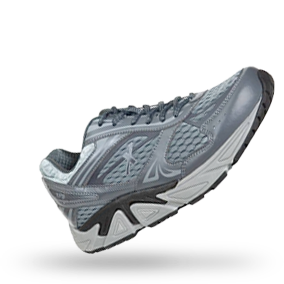
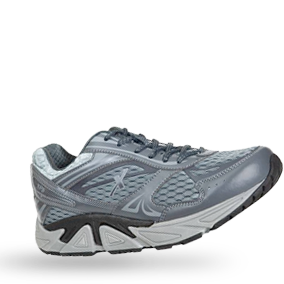
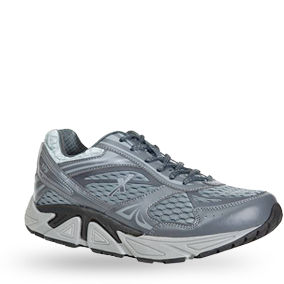
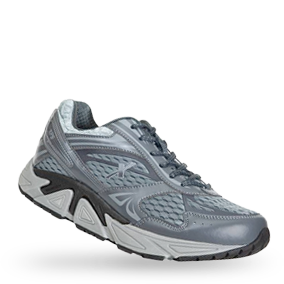
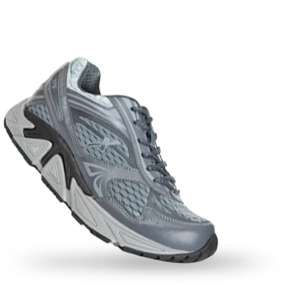
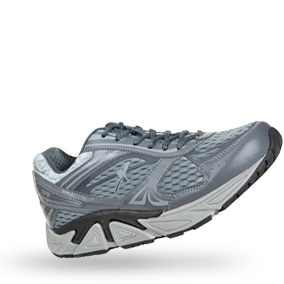
Xelero walking shoes are built around this balance, combining motion-control support with shock absorption and forward-motion design for people who need more than a basic comfort shoe. The right model still depends on your foot shape, activity level, and the degree of stability you prefer.
Do not judge walking shoes by the outsole alone. A shoe can look acceptable from the outside while its midsole has compressed and lost much of its protective feel. If a pair suddenly feels flatter, less stable, or noticeably less comfortable than it once did, it may no longer be doing its job.
Uneven wear is another clue. Wear concentrated on one edge of the sole may reflect how you load your foot, and it can make the shoe less stable over time. Rotating between two supportive pairs can also be useful for frequent walkers, giving each pair time to dry and rebound between uses.
A well-engineered shoe cannot perform properly if it does not fit. A heel that slips can create friction and instability, while a heel that is squeezed may aggravate tender tissue at the back of the foot. Your heel should feel held in place without pinching, and your toes should have enough room to spread naturally.
Try shoes later in the day when feet are often slightly fuller. Walk on a firm surface and pay attention to whether your heel shifts up and down, whether the arch support lands in the right place, and whether your toes feel crowded on downhill movement. If one foot is larger, fit the larger foot.
Width deserves the same attention as length. A narrow shoe can alter how you load your foot, while an overly wide shoe can allow too much movement inside the upper. People who use orthotics should bring them when trying on shoes. Removing the existing liner, when appropriate, can create room, but the replacement should sit flat and not make the heel feel perched too high.
Tight calves can increase pull on the tissues that connect through the heel and arch. Gentle calf mobility before and after walking may make your stride feel less restricted, especially if you spend much of the day sitting or wear shoes with a higher heel-to-toe drop.
Try a controlled calf stretch with the back knee straight, then repeat with the back knee slightly bent. Hold each position at a comfortable intensity rather than forcing range. A slow ankle warm-up, such as circles and controlled heel raises, can prepare the lower leg before a longer walk.
Strength matters, too. The foot and lower leg are active parts of shock management. Gradual heel raises, balance work near a stable counter, and controlled step-ups can help develop capacity. Start conservatively if you have been dealing with pain. Exercise should feel like productive effort, not a flare-up.
Avoid making aggressive stretching the answer to every kind of heel pain. Pain at the back of the heel, for instance, may be irritated by deep stretching against a step edge. Location, timing, and symptoms matter. When in doubt, choose gentle movement and seek individualized guidance.
What happens between walks can be as relevant as the walk itself. Avoid spending long periods barefoot on tile, concrete, or hardwood if your heel is already sore. A supportive house shoe, sandal, or recovery slide may provide a more forgiving option around the home.
Pay attention to abrupt shifts in your routine. Standing for hours at an event, carrying heavy bags, or switching from supportive walking shoes to flat casual footwear can add stress that your planned exercise did not account for. Consistency in support is often more useful than saving your best shoes only for workouts.
Recovery does not have to mean complete inactivity. On a tender day, a shorter, flatter walk in supportive footwear may be more comfortable than a fast hill workout. Some people benefit from brief cooling after activity, while others respond better to light mobility. Use the approach that reduces symptoms without causing numbness, skin irritation, or increased pain.
Persistent heel pain is worth evaluating, particularly when it is changing the way you walk. Seek medical care promptly for severe swelling, bruising after an injury, numbness, redness or warmth, fever, pain at rest, or an inability to bear weight. These signs can point to problems that need more than a footwear adjustment.
It is also wise to consult a podiatrist, physical therapist, or other qualified clinician if discomfort is not improving after a few weeks of modified activity and supportive shoes. Heel pain has several possible causes, and an accurate assessment can help you avoid a recovery plan that does not match the problem.
Walking should support your health, not make every step a negotiation. Give your heel a stable shoe, a gradual workload, and enough recovery to adapt. Those practical choices can help you stay active with greater comfort and confidence, one well-supported step at a time.