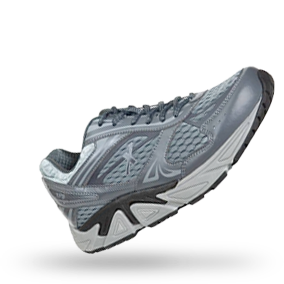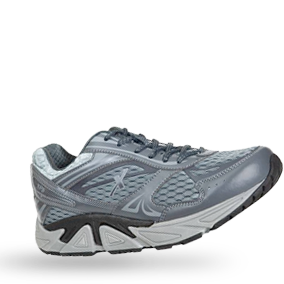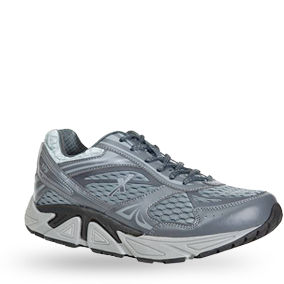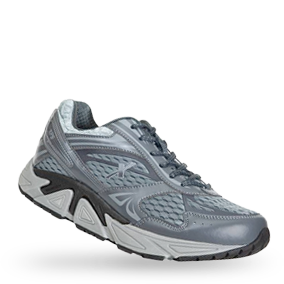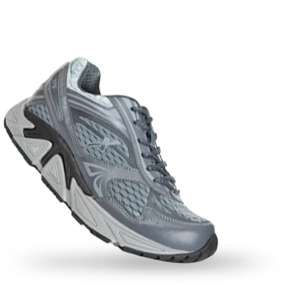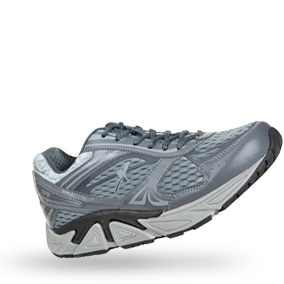
A walk that starts comfortably but ends with aching feet, sore knees, or a tight lower back is often a footwear problem, not a motivation problem. The right walking shoes do more than add a layer of softness underfoot. They help support your body through thousands of repeated steps, helping you move with greater stability and less impact stress.
For people who walk for exercise, errands, work, recovery, or simply to stay active, shoe choice matters well beyond the first few minutes of wear. A supportive pair should work with your gait, provide dependable footing, and feel comfortable when the day runs longer than planned.
Cushioning gets most of the attention because it is easy to feel the moment you try on a shoe. A soft midsole can make a shoe feel pleasant in the store, but softness alone does not necessarily create support. If the platform is too flexible, unstable, or poorly matched to your foot, your body may work harder to control each step.
Walking creates a repetitive loading pattern. Your heel or midfoot contacts the ground, your weight moves over the foot, and you push forward into the next step. That sequence happens thousands of times during a normal day. Small alignment issues can become more noticeable when they repeat over distance, especially for people managing foot fatigue, joint discomfort, or balance concerns.
A well-designed walking shoe balances several needs: cushioning to help soften impact, a stable base to help limit unwanted foot motion, and a shape that encourages smooth forward movement. The goal is not to make your foot rigid. It is to give it a more controlled foundation while allowing your natural stride to continue.
The best choice depends on your feet, gait, activity level, and comfort needs. Still, most people benefit from evaluating a shoe beyond color, price, or the first impression of softness.
Look at the base of the shoe. A stable walking shoe generally has a broad, grounded platform that does not feel wobbly when you stand or shift your weight. The heel should feel secure rather than loose, and the shoe should resist excessive twisting through the middle.
This matters because a narrow or overly flexible platform may allow the foot to roll or collapse more than is comfortable. For someone with pronation, flat feet, recurring ankle instability, or discomfort that travels into the knees, hips, or lower back, additional motion control may be particularly useful.
Motion control is not about forcing every walker into the same position. It is about helping reduce excessive movement that can place added stress on the body. The amount of control you need varies. Some walkers need a modest level of structure, while others feel best in a more supportive design.
Walking is lower impact than running, but the impact is still repetitive. Cushioning can help reduce the harsh feeling of pavement, concrete, and hard indoor floors. The key is finding cushioning that remains responsive and stable.
Very soft foam can work well for short periods, but some people find that it feels unstable over longer walks. Others prefer a firmer, more supportive feel because it helps them sense where their foot is landing. Neither preference is universally better. A good walking shoe should make your stride feel protected without making you feel disconnected from the ground.
A shoe’s shape can influence how it moves with you. Features that promote forward motion can help make the transition from contact to toe-off feel more efficient, particularly when your feet become tired late in the day.
This is especially valuable for walkers who spend hours on their feet or are returning to activity after a period of reduced mobility. If every step feels like work, a shoe that supports a more natural rolling motion may help reduce fatigue. It should not feel as though the shoe is tipping you forward. It should simply help the gait cycle feel smoother.
Even the most supportive construction cannot compensate for a poor fit. Your walking shoes should have enough room for your toes to spread naturally, especially because feet often swell during longer walks or later in the day. Your heel should stay comfortably in place, without slipping up and down with each step.
Width matters as much as length. A shoe that is the correct length but too narrow can create pressure along the forefoot, irritate bunions, or make toes feel cramped. A shoe that is too wide can allow excess movement and reduce stability. If you routinely loosen laces to relieve pressure or feel your toes pressing against the upper, reassess the fit rather than trying to break the shoe in.
Try shoes on with the socks you typically wear for walking. Walk on a firm surface if possible, not just carpet. Pay attention to whether your foot feels centered on the platform and whether the arch area feels supportive without pressing sharply into your foot.
A supportive shoe may feel more structured than a casual sneaker, but it should not be painful. Mild adjustment can be normal when switching to a more stable design. Persistent rubbing, numbness, pinching, or sharp arch pressure is not something to push through.
The right shoe for a neighborhood mile may not be the right shoe for a full day on concrete floors. Start with how and where you actually walk.
If you walk primarily for fitness on sidewalks or paved paths, look for consistent cushioning, a stable heel, and a design that supports forward movement. If you stand or walk at work, prioritize all-day comfort, a secure fit, and enough structure to remain supportive after several hours. For travel and errands, a versatile shoe with dependable traction and easy comfort may be the practical choice.
People with a history of plantar heel pain, overpronation, arthritis, neuropathy, or recurring knee, hip, or back discomfort often need to be more selective. A motion-control shoe can be helpful when excessive foot movement contributes to discomfort, but individual needs vary. If pain is persistent, worsening, or affecting your balance, consult a qualified health care professional for personal guidance.
Xelero designs footwear around this functional relationship between stability, alignment, impact reduction, and forward movement. The focus is not on making a shoe look supportive. It is on building a foundation that helps people stay active with greater confidence.
A worn-out walking shoe can lose support before it looks dramatically damaged. The outsole may be uneven, the midsole may feel compressed, or the heel counter may no longer hold your foot securely. If a familiar route suddenly leaves you more fatigued or uncomfortable, your shoes deserve a closer look.
There is no single replacement schedule because body weight, walking surface, mileage, and shoe construction all affect wear. Instead, watch for changes in how the shoe performs. New aches, reduced traction, visible leaning, or a flatter, less supportive feel are useful signals.
Rotate between two pairs if you walk frequently. Alternating shoes can give cushioning materials time to recover and helps you notice when one pair has begun to feel less supportive. It also gives you a practical backup, which matters when comfortable footwear is essential to your routine.
If you are moving from an unsupportive casual shoe to a more structured walking shoe, build up gradually. Start with shorter walks, then increase time and distance as your feet and lower body adapt. This is particularly wise if you have been inactive, are recovering from discomfort, or are changing to a shoe with stronger motion control.
Pay attention to patterns rather than a single walk. A little muscle awareness can happen when your stride changes, but pain that persists, worsens, or appears in a new area should not be ignored. The right shoe should make walking feel more sustainable over time, not create a problem you did not have before.
Your daily walk may be a workout, a way to manage stress, or simply how you keep up with the demands of life. Choose footwear that respects that purpose. When your shoes provide the right mix of fit, stability, cushioning, and controlled movement, every step has a better chance to feel like progress.