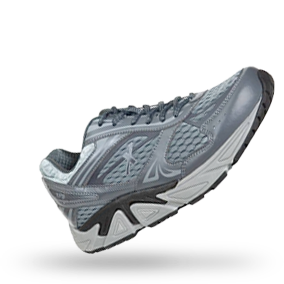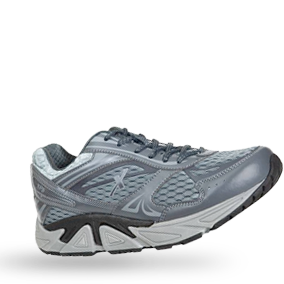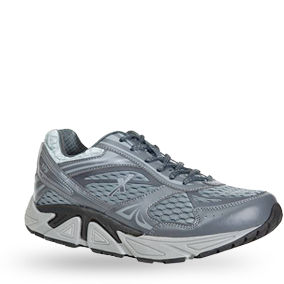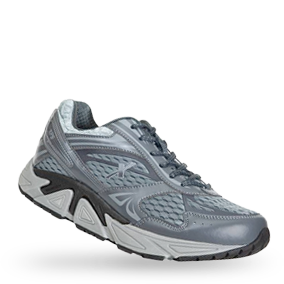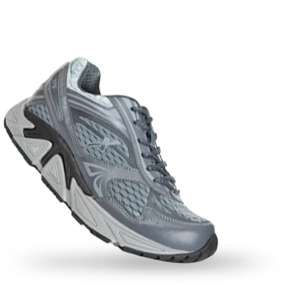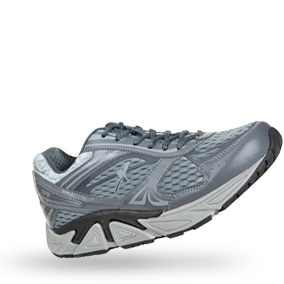
A shoe can feel soft in the store and still leave your feet, knees, hips, or lower back aching by the end of the day. The difference often comes down to how well it manages your movement, not simply how much cushioning it has. Learning how to choose motion control shoes helps you find support that works with your gait, reduces unwanted foot motion, and makes daily activity feel more comfortable.
Motion control footwear is not only for runners. It can be a practical choice for walking the dog, working on your feet, traveling, hiking, or returning to exercise after pain has limited your routine. The right pair should feel stable without feeling restrictive, and supportive without forcing your foot into an unnatural position.
Motion control shoes are designed to limit excessive movement during the gait cycle, especially when the foot rolls inward too far after it lands. This inward roll is called pronation, and some pronation is normal. It helps the body absorb impact. Problems can arise when the foot collapses inward excessively or too quickly, placing added stress on the arch, ankle, shin, knee, hip, and lower back.
You may benefit from motion control if you notice that the inside edge of your shoes wears down quickly, your ankles appear to roll inward when you walk, or you frequently feel unstable on longer walks. People with low or fallen arches may also need more guidance through each step, though arch height alone does not tell the whole story.
Pain is another useful signal, but it is not a diagnosis. Repeated discomfort along the arch, heel, inner ankle, knees, or lower back may indicate that your footwear is not giving your body the stability it needs. If pain is severe, sudden, persistent, or associated with swelling or numbness, consult a qualified healthcare professional rather than trying to solve it with shoes alone.
A true motion control shoe does more than add a soft insole. Its structure is built to support alignment from heel strike through toe-off. While designs vary, look for a firm, stable platform; a supportive heel counter that helps hold the rearfoot in place; and an engineered midsole that resists excessive inward collapse.
The outsole matters as well. A broad base creates a more secure landing surface, while dependable traction helps reduce slips and shifting underfoot. For walking and everyday wear, a stable shoe with a smooth transition can reduce the effort of moving from heel to toe. For running or hiking, you may need that same guidance plus activity-specific cushioning, grip, and durability.
Forward-motion design can be especially helpful for people who feel stiff, fatigued, or uncomfortable during push-off. Rather than asking your foot to work harder to move through each step, the shoe should support a smoother, more efficient transition.
Many shoppers assume a supportive shoe must feel hard. That is not necessarily true. The goal is controlled movement, not a rigid foot. A well-designed motion control shoe can combine a secure heel, stable midsole, and cushioning that helps soften impact.
The trade-off is that very firm shoes may feel less natural for someone with a neutral gait or someone who prefers a highly flexible shoe. If a shoe feels as though it is pushing aggressively into your arch, forcing your ankle outward, or making your stride feel awkward, it may not be the right level of control for you.
The best motion control shoe for a neighborhood walk is not always the best choice for a trail, treadmill run, or long day at work. Start by considering where and how long you will wear the shoe.
For everyday walking, prioritize a stable base, shock absorption, and enough room in the toe box for your toes to spread comfortably. If you stand for several hours at a time, cushioning and a secure heel are equally important because fatigue can make foot motion less controlled later in the day.
For running, look for motion control that remains responsive. Too much bulk or an overly heavy build can make faster movement feel laborious. Runners should also consider their mileage, surface, and training history. A shoe that feels excellent for short recovery runs may not offer enough protection for longer distances.
For hiking, traction and lateral stability become more significant. Uneven ground can challenge the ankles even when your gait is well supported on pavement. Choose a shoe with a stable platform and outsole designed for the terrain you actually use, not just the terrain you hope to explore once a year.
Even the most advanced support system cannot perform well in a shoe that does not fit. Try shoes later in the day, when feet are often slightly larger from normal activity. Wear the socks you expect to use most often, and bring any orthotics or inserts you regularly wear.
Your heel should sit securely without lifting as you walk. The midfoot should feel held in place, not squeezed. At the front, leave roughly a thumb’s width between your longest toe and the end of the shoe. This extra space protects your toes during downhill walking, longer outings, and normal foot swelling.
Width deserves as much attention as length. A shoe that is too narrow can create pressure points, numbness, bunions, or blisters. A shoe that is too wide may allow your foot to slide around, which can defeat the purpose of its stability features. Many people assume discomfort means they need softer cushioning when the issue is actually an incorrect width or poorly secured heel.
Do not evaluate motion control shoes while seated. Stand up, walk on a firm surface, and pay attention to how your body responds. Your first few steps should feel centered and steady. There should be no rubbing at the heel, pinching across the forefoot, or pressure under the arch.
If possible, walk long enough to notice the transition from heel to toe. Does the shoe help you move forward smoothly? Do you feel more balanced when turning? A good motion control shoe should make walking feel easier and more secure, not make you constantly aware of the shoe.
If you wear custom orthotics, choose a shoe with a removable footbed and enough internal depth to accommodate the device without crowding your foot. An orthotic and a motion control shoe can work well together, but the combination should not feel overly restrictive. The shoe’s heel counter and base still matter because they provide the foundation beneath the insert.
People managing diabetes, arthritis, plantar fasciitis, neuropathy, or a history of foot injuries may have additional fit considerations. Room for toe movement, low-friction interiors, cushioning, and easy adjustability can be just as valuable as motion control. A podiatrist, physical therapist, or trained footwear specialist can help if you are unsure whether your symptoms call for moderate stability, maximum motion control, an orthotic, or a different solution.
Do not buy a motion control shoe solely because someone told you that you overpronate years ago. Gait can change with injury, conditioning, age, body weight, and activity level. Your current comfort and movement pattern matter more than an old label.
It is also wise to avoid choosing based on appearance alone or assuming the most cushioned model provides the most stability. Soft foam can feel pleasant initially, but a shoe still needs a structured platform to guide motion effectively. Conversely, maximum control is not automatically better. More support than you need can feel cumbersome and may interfere with a natural stride.
Finally, replace shoes before their support is visibly exhausted. Worn tread, uneven outsole wear, compressed midsoles, and a new return of familiar aches are all signs that a shoe may no longer be managing impact and alignment as intended.
The right choice starts with your body and your routine: how you move, where you move, and where discomfort tends to show up. Look for stable construction, controlled heel-to-toe movement, cushioning appropriate for your activity, and a fit that holds your foot comfortably in place.
Xelero shoes are designed around those functional needs, combining motion-control support with cushioning and forward-motion technology for people who want to stay active with greater comfort. Give a new pair time to prove itself on ordinary walks and daily errands. When your steps feel steadier and your body feels less taxed afterward, you have found support that is doing its job.