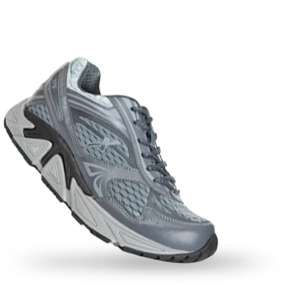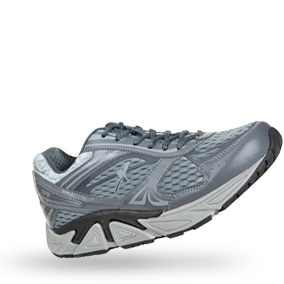
A long walk should leave you pleasantly tired, not searching for the nearest chair because your feet, knees, or lower back are complaining. The right arch support can make a meaningful difference by helping your foot manage impact, maintain a more stable position, and move efficiently from heel strike through toe-off.
But support is not one-size-fits-all. A shoe that feels firm and secure to one person may feel restrictive to another. The goal is not to force every foot into the same shape. It is to choose footwear that supports your natural gait while reducing the excess motion and repeated stress that can build up over thousands of steps.
Your arch is more than the curved space along the inside of your foot. It is part of a working structure of bones, ligaments, tendons, and muscles that absorbs load and helps transfer force as you move forward. Each time your foot lands, the arch responds to body weight and ground impact before helping propel you into the next step.
When the arch drops too far, too quickly, or becomes fatigued under repeated load, the foot may roll inward excessively. This motion, often called overpronation, can affect more than the foot itself. Because the body works as a connected chain, extra inward motion at the foot may contribute to stress at the ankles, knees, hips, and lower back.
Supportive footwear helps manage that motion. A properly designed shoe can cradle the foot, provide a stable platform under the heel and midfoot, and limit unwanted side-to-side movement. It does not eliminate natural pronation, which is a normal part of walking and running. Instead, it helps prevent excessive motion that may leave your feet feeling strained or unstable.
For many people, this support is especially noticeable late in the day. The difference is not always dramatic in the first five minutes. It often shows up after a grocery trip, a shift on your feet, a neighborhood walk, or several hours of travel when your feet would otherwise begin to ache and fatigue.
Foot discomfort does not automatically mean you need the firmest shoe available. Still, recurring patterns can suggest that your current footwear is not giving you enough structure or stability.
You may benefit from more supportive shoes if you regularly feel tired or burning arches, heel discomfort, pain through the ball of the foot, or a sense that your feet are working too hard to stay balanced. Shoes that wear down heavily along the inside edge can also be a clue that your foot is rolling inward more than the midsole can effectively manage.
Pay attention to symptoms beyond the feet as well. Knee discomfort after walking, aching hips after standing, or lower-back fatigue can have many causes, but footwear may be part of the picture. A shoe that allows the foot to collapse or shift excessively can change the way forces travel up the leg.
Certain life changes can also alter what feels comfortable. Age, weight changes, pregnancy, increased activity, recovery from an injury, and long days on hard floors can all increase demand on the feet. A casual shoe that once felt fine may no longer provide enough cushioning, control, or arch structure for your daily routine.
Persistent pain, numbness, swelling, or a sudden change in your gait deserves attention from a qualified health professional. Supportive footwear can be a useful part of a comfort strategy, but it is not a substitute for evaluating an injury or medical condition.
People often describe their feet as flat, neutral, or high-arched, and those descriptions can be helpful starting points. But arch height alone does not tell the whole story. Two people with similar-looking feet may have very different flexibility, strength, gait patterns, and support needs.
A lower arch may need a shoe with meaningful midfoot structure and motion control, particularly if the foot rolls inward under load. A higher arch may be less flexible and may benefit from cushioning that helps spread impact more evenly. Yet either foot type can feel better in a stable, well-fitted shoe with a supportive footbed.
The feel of the support matters. If an arch feature presses sharply into your foot, creates tingling, or causes pain, it is not the right fit simply because it is labeled supportive. Effective support should feel secure and present without creating a hard pressure point. There can be a short adjustment period when moving from minimally structured footwear to a more supportive design, but ongoing discomfort is a reason to reassess the fit.
This is also why a removable insole can be useful. Some people need the built-in support of the shoe alone, while others use custom orthotics or prescribed inserts. A stable shoe with enough depth and volume can better accommodate an insert without crowding the toes or lifting the heel out of position.
Start with the activity you do most. A shoe for daily walking should provide a stable base, dependable cushioning, and enough flexibility at the forefoot for a natural toe-off. Running shoes need to handle higher repetitive impact and should feel controlled at speed. Hiking footwear needs traction and protection, but it should still hold the heel and support the foot over uneven terrain.
The foundation of support begins at the heel. Look for a heel counter that feels structured rather than collapsible. This is the firm section that wraps around the back of your heel, helping keep the rearfoot centered as you walk. Pair that with a broad, stable outsole and a midsole that resists excessive twisting, and the shoe is better positioned to guide your stride without feeling like a rigid boot.
The midfoot should feel held, not squeezed. Laces, adjustable straps, or other secure closure systems help keep your foot aligned over the platform of the shoe. If your heel slips, your foot slides forward, or your toes feel cramped, the shoe cannot deliver its intended support effectively.
Cushioning deserves equal consideration. Soft cushioning can feel great initially, but a shoe that is too soft for your needs may allow the foot to sink and move around. Firmer cushioning can improve stability, though it may feel less plush. The best balance depends on your body, activity level, and the amount of motion control you need.
When trying on supportive footwear, wear the socks you normally use and stand before judging the fit. Walk on a firm surface if possible. Your heel should feel anchored, the widest part of your foot should sit comfortably in the widest part of the shoe, and you should have room in front of your longest toe. Do not assume you need to break in a shoe that feels wrong from the start.
Arch support performs best as part of a complete footwear system. A supportive footbed alone cannot fully compensate for an unstable heel, a narrow platform, or cushioning that has worn down. Look for a design where the upper secures the foot, the heel stays centered, the midsole absorbs impact, and the outsole creates a steady base.
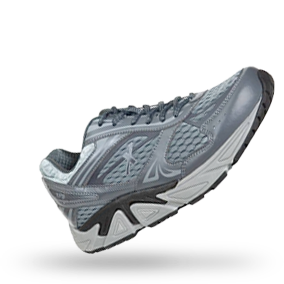
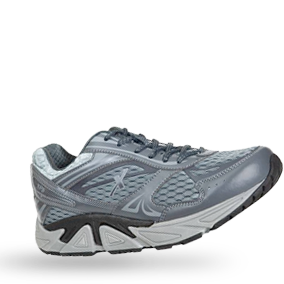
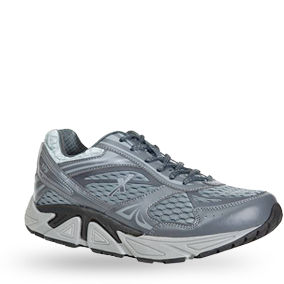
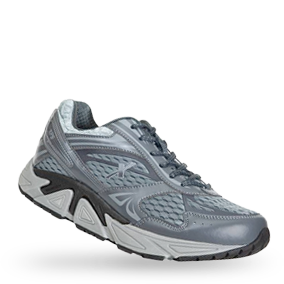
This whole-shoe approach is central to motion-control footwear. Xelero shoes are designed around alignment, stability, shock absorption, and forward motion because daily comfort is not just about adding softness underfoot. It is about helping the body move with less unnecessary strain.
Even a well-made shoe loses its ability to support you as materials compress and the outsole wears down. The timeline varies widely based on body weight, walking surface, mileage, and shoe construction, so visual and physical cues are more useful than a calendar date.
Check the outsole for uneven wear, especially along the inside heel or forefoot. Notice whether the midsole looks creased and compressed, whether the heel counter feels less stable, or whether the shoe has begun to lean when placed on a flat surface. Just as revealing is how your body feels. If a pair that once carried you comfortably now leaves you sore after familiar activities, its supportive components may be past their best.
Rotating between two appropriate pairs can help if you walk, work, or train on your feet frequently. It gives cushioning materials time to rebound and lets you match footwear to the day ahead, whether that means a structured walking shoe, a recovery sandal, or a more protective hiking style.
Footwear can do a great deal, but it works best alongside simple habits that respect the demands you place on your body. Gradually build walking or running volume rather than making large jumps. Give your calves and feet regular mobility work. If you stand for long periods, change positions when you can and avoid relying on worn-out shoes for demanding days.
Most of all, use your own comfort and stability as practical feedback. The best supportive shoe is not the one with the most aggressive arch shape or the softest feel in the store. It is the one that helps you finish the day moving with confidence, with your feet feeling supported enough to take the next step.