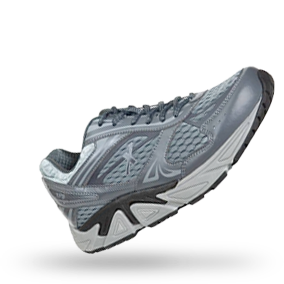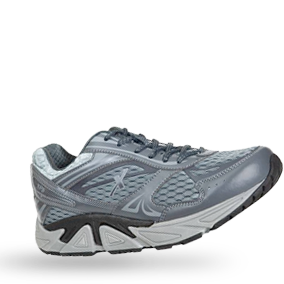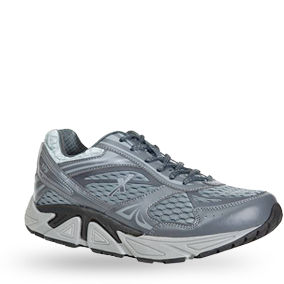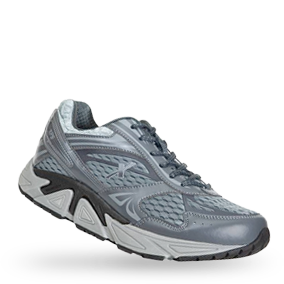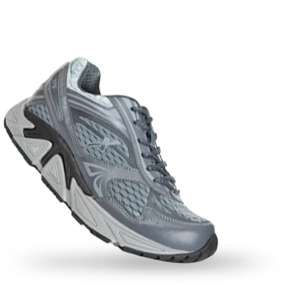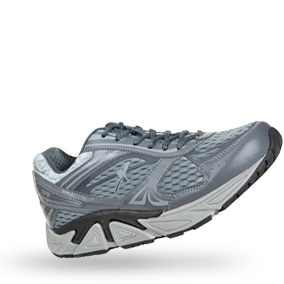
A walking shoe can feel soft in the store and still leave your feet, knees, or lower back sore after a few blocks. The difference often comes down to the essential walking shoe features working beneath your foot: the components that guide motion, manage impact, and keep your stride stable when fatigue starts to change how you move.
For people who walk for fitness, errands, work, recovery, or simply to stay mobile, comfort should mean more than a plush first impression. A well-designed walking shoe should help you take consistent, supported steps from heel strike through toe-off. Here is what to look for and why each feature matters.
Walking places repetitive demands on the body. Even at a moderate pace, each step asks your foot and ankle to accept force, adapt to the ground, and move your body forward. When the shoe allows too much unwanted rolling or twisting, that motion can travel upward and contribute to strain in the ankles, knees, hips, and lower back.
A stable shoe starts with a supportive base. Look for a sole that is broad enough to create a secure platform, especially through the heel and midfoot. A very narrow or heavily curved base can feel quick and lightweight, but it may not offer the confidence some walkers need on uneven sidewalks, long days on their feet, or when balance is a concern.
The heel counter also matters. This is the structured cup around the back of the shoe that helps hold the heel in position. Press gently on it when trying on a shoe. It does not need to be rigid like a boot, but it should resist collapsing easily. A secure heel can reduce slipping and help keep the rearfoot from moving excessively inside the shoe.
For walkers who overpronate, or roll inward more than their body can comfortably control, motion-control features can be especially valuable. These may include firmer support along the medial side of the shoe, a stable midsole geometry, or an engineered platform designed to guide the foot through a more controlled gait cycle. The goal is not to force every foot into the same position. It is to reduce excessive motion that may increase stress over thousands of steps.
Cushioning is often the first feature shoppers notice, and for good reason. It helps soften repetitive impact on hard surfaces such as pavement, tile, and concrete. But more cushioning is not automatically better.
A very soft midsole can feel pleasant for a few minutes, yet allow the foot to sink or shift with each step. For someone managing balance concerns, ankle instability, or pain related to poor alignment, that can make a walk feel less secure. The best cushioning for walking is responsive enough to reduce harsh impact while remaining stable under load.
Pay attention to where the cushioning is placed. Heel cushioning is useful for people who land noticeably on the rearfoot. Forefoot cushioning can make toe-off more comfortable, particularly on longer walks or when the ball of the foot is sensitive. A well-balanced midsole helps distribute pressure rather than concentrating it in one area.
The firmness you need depends on your body, walking surface, and symptoms. A lighter walker may prefer a softer feel, while a larger walker or someone who spends hours on hard floors may benefit from a denser, more supportive foam. If you have neuropathy or reduced sensation in your feet, avoid relying on softness alone. Fit, stability, and protection from pressure points are equally important.
A walking shoe should help your stride move forward rather than making your foot work harder to bend through every step. Some shoes use a rocker-shaped sole or a carefully designed outsole curve to encourage a smoother transition from landing to toe-off. This can be helpful for people with limited big-toe mobility, forefoot discomfort, or stiffness that makes push-off challenging.
Forward-motion design is not a shortcut for good fit. If the shoe rocks too aggressively, it can feel unstable or unnatural, especially for people who prefer a flatter, more grounded platform. The right design should make walking feel easier and more fluid, not like your foot is being tipped forward.
Even the most supportive walking shoe cannot perform as intended if it does not fit correctly. A cramped toe box can contribute to blisters, corns, numbness, and pressure on bunions or hammertoes. Too much volume can allow the foot to slide, increasing friction and reducing stability.
Your toes should have room to spread naturally, with roughly a thumb’s width between your longest toe and the front of the shoe. Remember that your longest toe is not always your big toe. The toe box should be deep enough that the top of your toes does not rub the upper, and wide enough that the sides of your forefoot are not compressed.
The midfoot should feel comfortably held, not squeezed. Laces are more than decoration because they allow you to adjust that hold. If your heel slips, try using the top eyelets for a heel-lock lacing pattern before assuming the shoe is too large. If the shoe creates pressure across the top of your foot, a different lacing pattern or a roomier upper may help.
Try shoes on later in the day when feet are more likely to be slightly swollen. Wear the socks you normally walk in and walk on a firm surface if possible. Do not assume a shoe will stretch substantially with use, especially around the toe box. A supportive walking shoe should feel right from the beginning, with enough room for normal foot movement and no sharp pressure points.
The outsole is the layer that meets the ground. Its traction affects confidence on wet pavement, smooth floors, gravel, and changing terrain. Look for a rubber outsole with a pattern that provides grip without adding unnecessary bulk. Worn-down tread can reduce stability, even if the upper still looks fine.
Flexibility matters as well, but it should occur near the forefoot where your toes naturally bend. A shoe that twists easily through the middle may not provide enough support for walkers who need motion control. Hold the shoe at the heel and forefoot, then gently try to twist it. Some resistance through the midfoot is generally a sign of a more stable platform.
If you walk mostly indoors or on smooth sidewalks, you may not need deep hiking-style lugs. In fact, overly aggressive tread can feel awkward on flat surfaces. Choose the outsole for the terrain you actually use, not the most demanding terrain imaginable.
The upper should secure your foot without creating hot spots. Breathable mesh can help manage heat and moisture, while reinforced panels around the midfoot can improve containment. For those with swelling, bunions, or sensitive areas, a softer, more accommodating upper may be more comfortable than a heavily structured one.
This is a trade-off worth considering. A flexible upper may feel more forgiving, but it can provide less control during longer walks. A more structured upper can improve stability, but it must match the shape of your foot to avoid rubbing. The best choice is the one that keeps your foot centered over the platform without creating pressure.
Removable insoles are also useful, particularly if you wear custom orthotics or need extra depth. Make sure an orthotic does not raise your heel so high that it slips out of the shoe or causes the upper to press against the top of your foot. A shoe designed with support in its platform can complement an orthotic rather than asking the insert to do all the work.
There is no single best walking shoe for every person. Someone recovering from foot pain may prioritize a stable base, controlled motion, and pressure relief. A fitness walker covering several miles may want responsive cushioning and a smooth toe-off. A person standing at work all day may need a combination of shock absorption, traction, and a roomy fit that accommodates mild swelling.
Pay attention to patterns in your discomfort. Heel pain after the first steps of the day, aching in the ball of the foot after long walks, recurring ankle rolls, or knee discomfort on hard surfaces can each point to different needs. Persistent, severe, or worsening pain deserves guidance from a qualified health care professional, particularly if you have diabetes, circulation concerns, or a history of injury.
At Xelero, walking footwear is designed around the relationship between support, alignment, and forward movement. That approach recognizes a practical truth: a comfortable walk is not just about what the shoe feels like while standing still. It is about how confidently your body moves after the first mile, the last errand, or a full day on your feet.
A good walking shoe should leave you thinking about where you went, not what started hurting along the way. Give yourself time to assess fit and function, then choose the support that makes everyday movement feel more dependable.