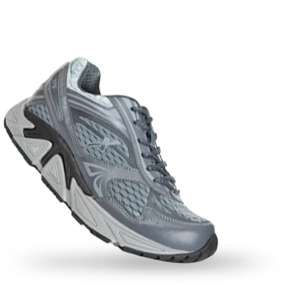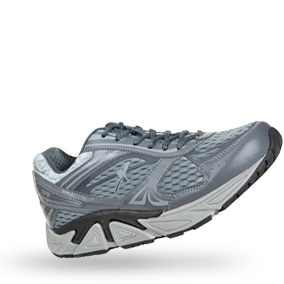
A shoe can feel soft in the store and still leave your feet, knees, or lower back aching after a few hours. That is why the choice between motion control vs orthotic shoes is not simply about how much cushioning you prefer. It is about how the shoe works with your gait, foot shape, support needs, and the activities that fill your day.
Both types of footwear can improve comfort, but they solve different problems. A motion-control shoe is designed to guide and stabilize foot movement through the gait cycle. An orthotic shoe is generally designed to provide built-in arch support, accommodate custom inserts, or both. For some people, the best answer is not one or the other. It is a supportive motion-control shoe that also has enough room and structure for an orthotic.
Motion-control shoes focus on movement. Their purpose is to reduce excessive rolling or shifting of the foot, particularly when the foot moves inward too far during walking or running. This movement is often called overpronation, although pronation itself is a normal part of gait. The concern is not whether your foot pronates at all, but whether its motion is excessive for your body, comfort, and activity level.
To create a more stable platform, motion-control footwear may use a firm heel counter, a wide base, structured midsole materials, and geometry that helps guide the foot forward. These features can help keep the rearfoot and midfoot from collapsing or drifting too far with every step. The result may be less strain on the plantar fascia, ankles, knees, hips, and lower back for people whose discomfort is related to poor alignment or instability.
Orthotic shoes focus on support and accommodation. The term can describe footwear with a supportive contoured footbed, footwear built with extra depth and removable insoles for custom orthotics, or therapeutic shoes designed for particular foot needs. Their defining feature is not necessarily motion control. It is their ability to support the arch, distribute pressure, and create an appropriate fit for the foot or an orthotic device.
A person with high arches, forefoot pressure, a history of plantar fasciitis, or a prescribed insert may benefit from orthotic-friendly footwear even if they do not need a high level of motion control. Conversely, someone with a flexible, inward-rolling gait may need motion control even if they do not wear a custom orthotic.
Every step begins at the heel, moves through the midfoot, and finishes as the body rolls forward over the toes. When the foot lacks a stable platform during that sequence, tissues throughout the lower body may work harder to compensate. A motion-control shoe is designed to make that transition more controlled.
The heel counter matters because it helps secure the rear of the foot. If the heel slips, twists, or collapses inward, the rest of the foot may follow. A broad, stable outsole also matters. It gives the foot more surface area under load, which can be especially helpful for walking, standing, or covering long distances on hard surfaces.
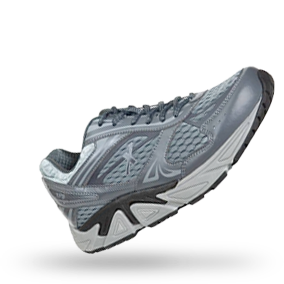
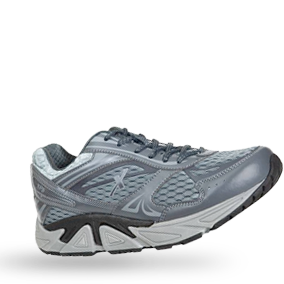
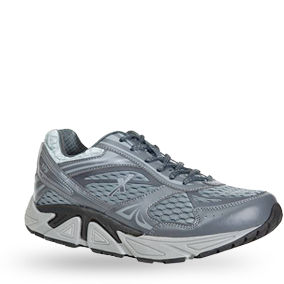
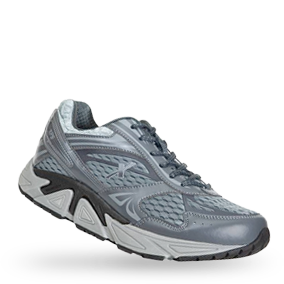
Midsole design plays an equally important role. Some shoes rely on firmer support zones, while others use engineered sidewalls, a guided platform, or a rocker shape that encourages forward motion. Xelero footwear, for example, centers its design around motion-control technology that supports alignment and a smoother heel-to-toe transition rather than relying on softness alone.
Motion control is often useful for people who notice that the inside edge of their old shoes wears down quickly, feel unstable when fatigued, or experience discomfort after long walks. It can also be valuable for people returning to activity after time away, when muscles and joints may not yet be ready to manage repeated impact without added guidance.
Still, more control is not automatically better. A very rigid shoe can feel restrictive to someone with a neutral, efficient gait or a stiff foot that already has limited motion. The right amount of control should feel steady and natural, not as though the shoe is forcing your foot into an uncomfortable position.
Orthotic shoes provide a supportive environment for the foot itself or for a custom device prescribed by a clinician. Many have removable footbeds, extra depth through the instep, and enough volume in the toe box to prevent an insert from crowding the foot. These details are practical, but they are also essential to comfort.
A custom orthotic changes the space inside a shoe. If the shoe is too shallow, narrow, or flexible, the insert may lift the heel, compress the toes, or shift while walking. Even a well-made orthotic cannot perform as intended if the shoe around it does not hold it securely.
For people who do not use custom inserts, a built-in contoured footbed may provide sufficient support. It can help spread pressure across the foot, support the arch, and reduce the fatigue that develops in flat, unsupportive footwear. This may be particularly helpful for daily walking, standing at work, or recovery after activity.
However, an orthotic footbed is not a substitute for motion control in every case. Arch support addresses the shape and loading of the foot. Motion control addresses how the foot moves. Those needs frequently overlap, but they are not identical.
The most supportive setup for many people combines a stable shoe with an orthotic-friendly fit. This is common when someone has both a diagnosed foot condition and noticeable instability, or when a podiatrist has prescribed an insert for pain management or alignment support.
For example, a walker with flat feet and recurring heel pain may need a shoe that limits excessive inward movement while also accommodating a custom orthotic. A hiker who feels stable on level ground but develops forefoot pressure on longer trails may prioritize an orthotic-compatible shoe with cushioning and a secure heel. A runner managing knee discomfort may benefit from a guided platform, but should avoid adding an orthotic without confirming that the combined support feels balanced.
Layering support is helpful only when the components work together. An aggressive orthotic inside an equally aggressive shoe can feel overly restrictive for some feet. If you are adding a custom insert, remove the shoe’s existing removable insole unless your clinician specifically advises otherwise. Then check that your heel sits securely, your toes have room, and the shoe does not create new pressure along the arch or instep.
Start with your symptoms and how they appear during the day. If your discomfort tends to build during walking, standing, or running, pay attention to when it begins and where you feel it. Heel pain, arch fatigue, ankle instability, knee discomfort, and lower-back strain can each have different contributing factors.
Next, look at your current shoes. Uneven wear along the inside edge of the heel or forefoot can suggest a need for more stability, though it is not a diagnosis by itself. A shoe that breaks down quickly, allows the heel to shift, or feels unstable on uneven ground may not be giving you enough structure.
Fit should guide the final decision. Your heel should feel held in place without rubbing. The widest part of your foot should align with the widest part of the shoe, and there should be room for your toes to spread. If you wear an orthotic, try the shoe with it in place and walk on a firm surface. A proper fit should make your stride feel easier, not merely tighter.
Consider your activity as well. A daily walking shoe may need dependable cushioning and controlled forward motion. A running shoe should match your pace, mileage, and gait demands. Hiking footwear needs stability without creating pressure on descents or uneven terrain. The same person may reasonably need different levels of support across these activities.
Footwear can make a meaningful difference, but persistent pain deserves more than guesswork. If you have swelling, numbness, recurring injuries, sudden changes in gait, diabetic foot concerns, or pain that does not improve with rest and supportive footwear, consult a podiatrist or other qualified healthcare professional.
A gait assessment can also be useful if you are unsure whether you need motion control, an orthotic, or both. The goal is not to label every foot as a problem. It is to understand whether your current footwear supports the way you move and the life you want to keep living.
The best shoe is the one that gives your foot a secure foundation without making every step feel managed. When support, fit, and movement work together, walking farther, standing longer, and returning to the activities you enjoy can feel much more attainable.