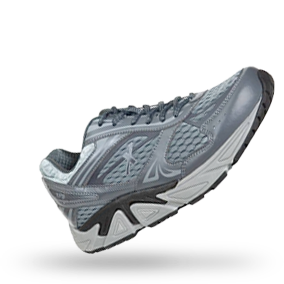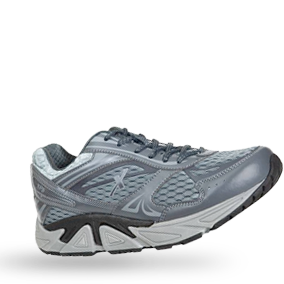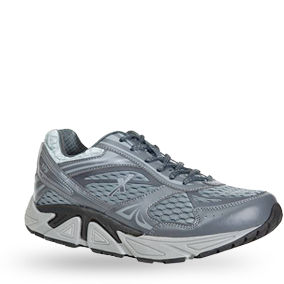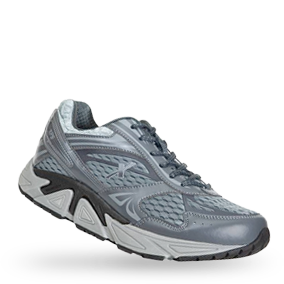
A hard run, a long shift, or even a busy day of errands can leave more than your feet tired. When each step lands with poor support or unstable alignment, the stress can travel upward into the ankles, knees, hips, and lower back. Understanding how recovery footwear helps joints starts with that chain reaction: better support underfoot can help reduce the forces and compensations that make everyday movement feel harder.
Recovery footwear is not simply a softer shoe. The most effective options combine cushioning with a stable platform, controlled motion, and a shape that supports a more efficient gait. For people who want to stay active without repeatedly aggravating discomfort, those details matter.
Your joints manage impact every time your foot meets the ground. During walking and running, the body needs to absorb force, move over the foot, and push forward into the next step. If the foot rolls too far inward, the heel shifts excessively, or cushioning bottoms out quickly, the lower body may have to work harder to regain stability.
Recovery footwear can help by creating a more supportive landing surface after demanding activity. Cushioning disperses pressure across a broader area of the foot, which may reduce the sharp, repetitive impact that reaches the ankles, knees, and hips. A stable midsole and heel structure also help limit unnecessary side-to-side movement as you transition from heel strike to toe-off.
The benefit is especially relevant after running, hiking, court sports, or a long day standing. When muscles are fatigued, gait mechanics can become less controlled. A recovery shoe or slide cannot erase fatigue, but it can provide a steadier base while the body resets.
Plush foam can feel good at first step, but softness alone is not always the answer for sore joints. A very soft shoe that allows the foot to sink, twist, or roll may feel unstable, particularly for someone with knee, hip, or balance concerns.
Better recovery footwear balances shock absorption with structure. It should cushion the landing while maintaining a stable platform beneath the heel and midfoot. This combination helps the foot move forward instead of collapsing inward or shifting unpredictably with every step.
For people with sensitive knees, this distinction can be significant. The goal is not to eliminate all ground feel or make the foot work less. It is to reduce unnecessary impact and motion while supporting a controlled stride.
The feet are the foundation for the rest of the body. When that foundation is unstable, the ankles, knees, hips, and lower back often compensate. For example, excessive inward rolling of the foot may contribute to the knee tracking inward during walking. A foot that does not have enough support through the arch and heel can also encourage muscles higher up the leg to work overtime.
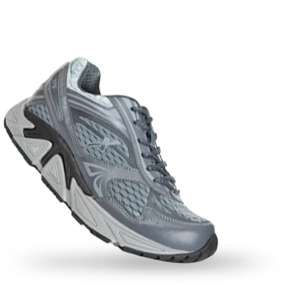
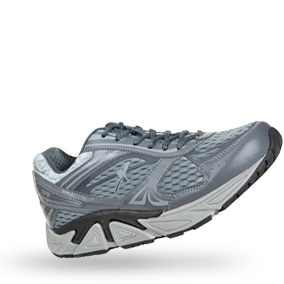
Recovery footwear with motion-control features helps guide the foot through the gait cycle in a more consistent path. This may include a supportive heel counter, a broad base, an anatomically shaped footbed, and midsole geometry designed to resist excess rolling. These features do not force every foot into one position. Instead, they can provide a reliable boundary for people who need more control than a flat sandal or loose, flexible sneaker offers.
That support can be useful for adults managing joint stiffness, overpronation, or discomfort that appears after walking longer distances. It can also matter for active people who feel fine during exercise but notice soreness when they switch into unsupportive casual shoes afterward.
A recovery shoe should not make each step feel like work. Rocker-style geometry and a well-designed sole can support forward motion from landing through toe-off. By helping the foot roll through the step more smoothly, this design may reduce the demand on certain joints and soft tissues.
The effect depends on the person and the shoe. Some people appreciate a more pronounced rocker because it makes walking feel easier when the forefoot, ankle, or knee is stiff. Others prefer a more traditional feel with moderate guidance. The right choice is the one that feels stable, natural, and comfortable at a walking pace – not just when standing in a store.
Recovery footwear earns its place when it supports the parts of your day that are easy to overlook. Walking the dog, preparing dinner, traveling through an airport, or moving around on hard floors can add thousands of steps. If those steps happen in thin flip-flops, worn-out slippers, or shoes with little rearfoot support, joints may get less of a break than expected.
Supportive recovery sandals, slides, and casual shoes can offer a practical alternative for these lower-intensity hours. They are particularly helpful when you want to give your feet a break from training shoes without switching to something completely flat and unsupported.
For many people, consistency is the real advantage. Wearing supportive footwear regularly can reduce the stop-and-start pattern of feeling good in a structured walking shoe, then spending the rest of the day in footwear that allows painful mechanics to return.
A good fit is essential. Even advanced support features cannot work as intended if the shoe is too narrow, too loose at the heel, or too short for the toes. Try recovery footwear later in the day, when feet may be slightly fuller, and walk on a firm surface if possible. Your heel should feel secure, your toes should have room, and the shoe should not create pressure at the arch or forefoot.
Look for a stable heel, supportive footbed, shock-absorbing midsole, and outsole with dependable traction. A deeper heel cup can help keep the rearfoot centered, while a wide base can improve confidence during walking. Adjustable straps are often valuable in sandals because they let you dial in the fit when swelling or foot volume changes throughout the day.
Also consider the activity. A recovery slide may be excellent after a workout or around the house, but it may not provide the security needed for longer walks, uneven ground, or errands that involve frequent stopping and turning. For those situations, a closed-heel recovery shoe with motion control may be the better choice.
Xelero designs supportive footwear around stability, alignment, cushioning, and forward motion because joint comfort depends on how the whole body moves, not just how soft a shoe feels.
Footwear can support comfort and movement, but it is not a replacement for medical care. New swelling, redness, sudden joint pain, numbness, weakness, or pain that persists despite reducing activity should be assessed by a qualified health professional. The same applies if you have diabetes, significant circulation concerns, a recent injury, or have been prescribed a brace or custom orthotic.
Recovery footwear may also require an adjustment period. If you have been wearing very flat shoes, a more supportive footbed or rocker sole can feel unfamiliar at first. Start with shorter periods at home, then increase wear time as comfort allows. Persistent rubbing, pressure, or increased pain is a sign to reassess the fit and style rather than push through it.
The best recovery footwear should make the next step feel more supported, not more complicated. Choose a pair that matches your activity, fits securely, and gives your feet a stable place to land. Over time, that steadier foundation can help you keep walking, training, and moving through the day with greater comfort.