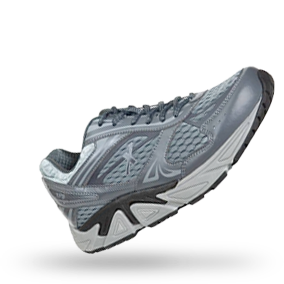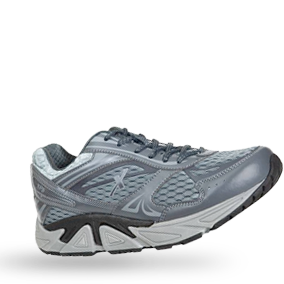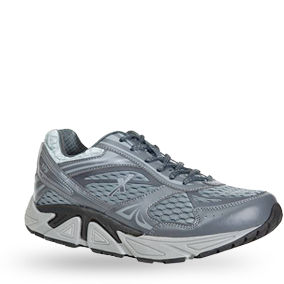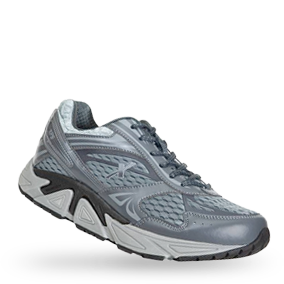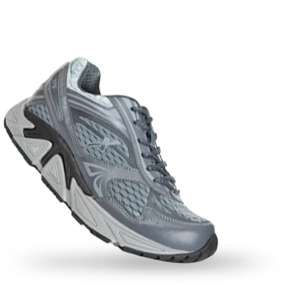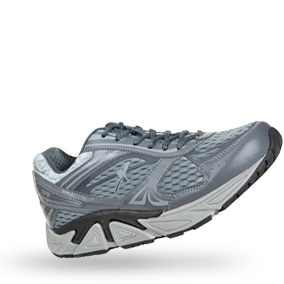
A walking shoe can feel soft the moment you put it on and still leave your feet, knees, or lower back more tired by the end of the day. That is the difference a meaningful motion control walking shoes review should help you understand. For people who walk for fitness, work, errands, recovery, or simply to stay mobile, comfort is not just about plush cushioning. It is about how consistently a shoe supports the body through thousands of steps.
Motion-control walking shoes are designed for walkers who need greater stability during the gait cycle. They can be especially valuable when the foot rolls inward excessively, the ankle feels unsteady, or everyday walking contributes to discomfort higher up the body. The right pair will not make every condition disappear, but it can create a more stable foundation for movement and reduce avoidable stress.
Motion control refers to a shoe’s ability to help guide the foot through a more controlled path from heel strike to toe-off. During walking, the foot naturally moves and adapts to the ground. The goal is not to eliminate that movement. It is to limit excessive rolling or instability that can place extra demand on the feet, ankles, knees, hips, and lower back.
A motion-control design typically combines a stable platform, structured heel support, a supportive midsole, and geometry that encourages forward motion. These elements work together rather than relying on one stiff component. A shoe may also have a wider base under the heel and forefoot, which gives the foot more surface area for a confident landing.
This category is often associated with overpronation, but the benefit is broader than one gait label. Some walkers choose motion control because they feel unstable on long walks. Others need dependable support after standing all day, returning to activity, or managing recurring joint discomfort. What matters is whether the shoe helps you move with less strain and more confidence.
A useful review goes beyond whether a shoe feels good for five minutes in a store. Supportive footwear needs to perform after a full day of real movement. When comparing motion-control walking shoes, look at stability, fit, cushioning, and the shoe’s ability to work with your natural walking pattern.
The best motion-control shoe creates a stable landing without making each step feel forced. Check for a firm heel counter, which is the structured material wrapping the back of the shoe. When you press it, it should resist collapsing easily. This helps keep the heel more centered during the initial phase of each step.
The midsole also matters. A very soft shoe can feel appealing at first but may allow the foot to sink or shift too much, particularly for people who need more guidance. A supportive midsole should feel protective and controlled, with enough cushioning to reduce impact without creating a wobbly sensation.
Pay attention to the shoe’s base. A broad, stable platform can be helpful for walkers who feel insecure on uneven sidewalks, while turning, or when fatigue sets in late in the day. Stability should support your movement, not make you feel as if you are balancing on a narrow or overly elevated surface.
Even advanced motion-control technology cannot compensate for poor fit. If the heel slips, the toe box crowds the forefoot, or the arch placement does not match your foot, the shoe may cause new problems instead of solving old ones.
Walk in the shoes long enough to notice whether your heel stays settled and whether your toes have room to spread. There should be about a thumb’s width of space in front of the longest toe. The upper should hold the midfoot comfortably without pressure across the top of the foot or tingling in the toes.
Width deserves particular attention. Many people with foot discomfort size up for more room when they actually need the correct length in a wider width. A shoe that is too narrow can change how the foot loads and may make supportive features feel harsh. A properly fitted walking shoe should feel secure around the heel and midfoot while allowing natural space in the forefoot.
More cushioning is not automatically better. For someone walking on hard floors or pavement all day, shock absorption can reduce the repeated impact felt in the feet and joints. But if cushioning is too soft for your needs, it can reduce the stable feel that makes a motion-control shoe effective.
Consider where and how far you walk. Short neighborhood walks, long work shifts, treadmill sessions, and travel days create different demands. A person who spends hours on concrete may prioritize impact reduction, while a walker who struggles with balance may place stability first. Many people need both, which is why engineered shoes use layered cushioning and a structured base rather than one thick, soft foam layer.
A walking shoe should help the transition from heel strike to toe-off feel smooth. Rocker-inspired sole geometry and a well-shaped outsole can encourage the foot to roll forward instead of requiring excessive effort from the forefoot. This can be particularly useful for walkers who experience stiffness, fatigue, or discomfort when pushing off.
The effect should feel natural, not dramatic. If a shoe rocks you forward too aggressively or feels difficult to control, it may not be the right match. The best design supports forward progression while allowing you to maintain a steady, comfortable pace.
Motion-control walking shoes can be a strong choice for people who consistently need more support than standard athletic or casual footwear provides. That includes walkers with noticeable inward rolling, frequent heel or arch fatigue, ankle instability, or discomfort that increases after time on their feet.
They can also make sense for adults who want a dependable everyday shoe after prior injuries or during recovery, provided the shoe fits their clinician’s guidance. Older adults often appreciate the confidence of a stable platform, especially when daily mobility matters more than lightweight, style-first footwear.
Still, motion control is not the right answer for every foot. Someone with a neutral gait who prefers a flexible shoe may find a high-control model unnecessary. Walkers with a rigid foot, significant swelling, diabetes-related foot concerns, or persistent pain should consider individualized advice from a qualified healthcare professional or experienced footwear specialist. Support is highly personal, and the goal is better movement, not simply the most structured shoe available.
A more supportive shoe often weighs more than a minimal walking shoe because it uses structured materials and a broader base. For most daily walkers, that trade-off can be worthwhile if it improves stability and reduces fatigue. For someone focused on speed or very short walks, however, a lighter model may feel more appealing.
Motion-control shoes may also need a brief adjustment period. The shoe should never cause sharp pain, numbness, or rubbing, but a person accustomed to unsupportive footwear may notice the firmer guidance at first. Start with shorter walks and increase wear time gradually, especially if you are returning to activity after pain or injury.
Durability is another practical consideration. Support features work best when the midsole and outsole still hold their shape. If a shoe is visibly leaning, compressed unevenly, or worn smooth in key traction areas, its ability to guide and cushion each step may be reduced. Replace footwear based on wear patterns and performance, not only on how the upper looks.
Wear the socks you normally use for walking and try shoes later in the day, when feet may be slightly larger. Walk on a firm surface if possible, turn slowly, and pay attention to how stable you feel when shifting weight from one foot to the other. A good pair should feel supportive immediately, with no need to convince yourself that pressure points will disappear.
Then consider the routine the shoe must serve. If you need it for miles of neighborhood walking, test the heel-to-toe transition. If it is for work or travel, stand in it long enough to notice whether the heel and arch remain comfortable. If you use prescribed orthotics, confirm that the shoe has adequate depth and that the insert sits flat without lifting your heel.
At Xelero, motion-control footwear is designed around the idea that better alignment, stability, and forward movement can help people remain active with greater comfort. That does not mean one shoe fits every need. It means choosing footwear with a clear purpose and assessing how it performs under the demands of your actual day.
The right walking shoe should leave you thinking less about your feet, not more. When each step feels stable, cushioned, and naturally guided forward, walking becomes easier to keep in your routine.