Foot pain is easy to dismiss at first. Maybe your heels ache after a long day. Maybe the balls of your feet feel sore after standing too long. Maybe your arches feel strained, but only once in a while. It is common to assume that kind of discomfort is just part of being busy, getting older, or spending a lot of time on your feet.
But sometimes foot pain is a sign that your shoes are not giving you the support you need.
The shoes you wear every day affect how your feet handle pressure, absorb impact, and stay aligned during movement. If they are too flat, too soft, too flexible, or too worn down, they may increase strain instead of helping reduce it. Over time, that repeated stress can make everyday walking more uncomfortable than it should be.
When people think about foot pain, they often think of a sudden injury. But many types of foot discomfort develop gradually. The issue is not always one bad step or one isolated event. In many cases, it is the result of repeated daily strain.
Walking, standing, commuting, running errands, and working on your feet all add up. If your shoes are not supportive enough, your feet may be doing more work than they should every single day. That extra effort can eventually show up as soreness, fatigue, or recurring pain.
This is one reason footwear matters so much. A shoe does not have to look worn out to be working against you. Sometimes the problem is simply that it is not built to support the way your body moves.
Foot pain can show up in different ways depending on where the stress is building.
Some of the most common complaints include:
Heel pain may show up first thing in the morning or after long periods of standing. Arch pain may feel like strain or tightness through the middle of the foot. Forefoot pain may feel like pressure or soreness under the ball of the foot. And sometimes the issue is less specific. Your feet may simply feel tired, overworked, or uncomfortable in a way that seems to build throughout the day.
When these problems happen regularly, it is worth considering whether your shoes are giving your feet enough support.
Your shoes influence how your feet interact with the ground. They affect alignment, pressure distribution, stability, and the way your body absorbs impact. If your footwear is not supportive enough, certain areas of the foot may end up taking on more stress than they should.
This is especially common with shoes that are:
A shoe may feel comfortable for a few minutes, especially if it is soft, but that does not always mean it is helping your feet over the long run. Real support is about more than immediate comfort. It is about how your feet feel after hours of walking and standing.
Sometimes your body gives you clues before your shoes do. If foot pain keeps showing up in the same patterns, your current footwear may not be giving you what you need.
It may be time to consider more supportive shoes if:
These kinds of patterns matter. If your discomfort tends to flare up when you are in less supportive footwear, that is worth paying attention to.
A better shoe cannot guarantee that every kind of foot pain will disappear, but it can help reduce some of the everyday strain that often makes pain worse.
More supportive shoes may help with:
The goal is not simply to add more cushioning. It is to give the foot a better foundation for movement so it does not have to work as hard with every step.
If foot pain has become a recurring issue, it helps to know what features to prioritize when shopping for a replacement.
A supportive shoe should offer structure through the midfoot rather than feeling completely flat.
Cushioning should help absorb impact, but it should still feel supportive rather than overly soft or unstable.
A shoe that holds the heel in place can help improve stability and reduce unwanted movement.
A sole that is too flimsy may not provide enough support. A more supportive sole can help create a steadier stride.
Even a supportive shoe can fall short if it does not fit well. Your foot should feel secure, not cramped and not sliding around.
If your feet are already bothering you, some shoe types may make the problem worse rather than better.
It is often smart to avoid:
In many cases, the issue is not just lack of softness. It is lack of support, control, and stability.
Even though this conversation starts with foot pain, the effects of poor support do not always stay in the feet. When your feet are not well supported, your ankles may work harder, your stride may change, and the stress can travel upward into the knees, hips, and lower back.
That is another reason not to ignore recurring foot discomfort. Sometimes it is the first sign that your body needs a better foundation.
Occasional soreness happens, but recurring foot pain should not be dismissed as normal. In many cases, it may be your body’s way of telling you that your current shoes are not providing enough support. Paying attention to where your feet hurt, when the pain shows up, and how different shoes affect you can help you make a better choice.
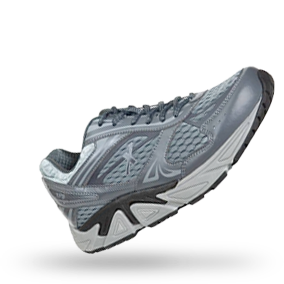
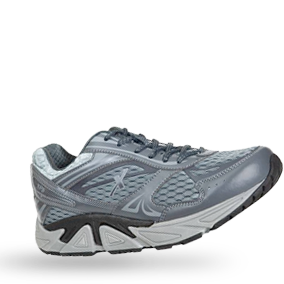
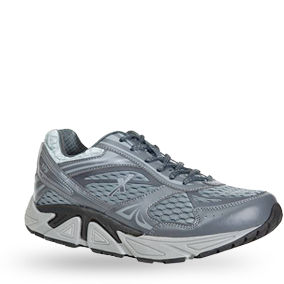
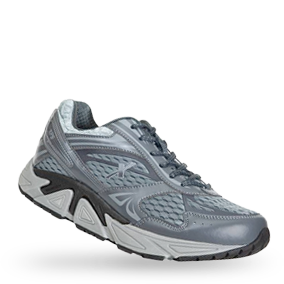
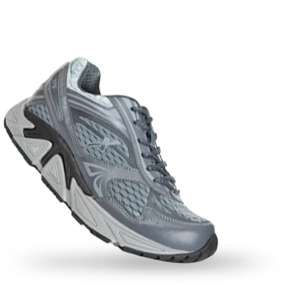
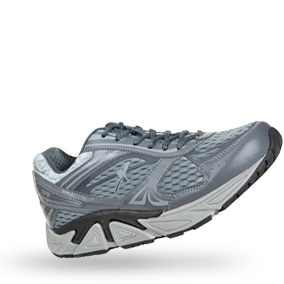
Xelero shoes are designed to provide stable support, controlled cushioning, and a more secure walking experience. For people dealing with heel pain, arch strain, foot fatigue, or discomfort that builds throughout the day, that added support can help reduce everyday foot stress and improve overall comfort.