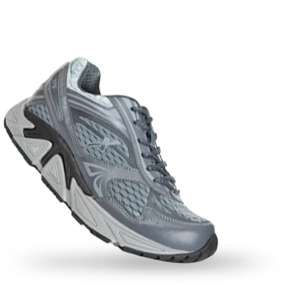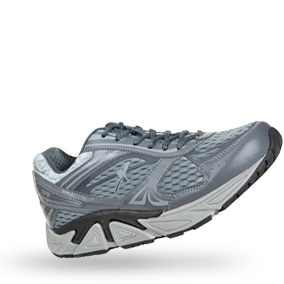
A sandal can feel soft in the store and still leave your feet aching after a few blocks. That is because cushioning alone does not control how your foot moves when it meets the ground. The best sandals for sore feet combine comfort with a stable platform, purposeful arch support, and a secure fit that helps reduce stress from the feet upward.
For people managing foot fatigue, heel discomfort, joint pain, or the effects of long days on hard surfaces, the right sandal is not simply a warm-weather accessory. It is a support system for walking, standing, recovering, and staying active without asking sore feet to work harder than they should.
Many casual sandals are built around a thin, flexible sole and a loose upper. They may be convenient for short trips, but they provide little control during the gait cycle. As your heel lands and your body moves forward, the foot may roll inward, shift on the footbed, or flatten beyond its most comfortable position.
That extra motion can increase strain on the plantar fascia, ankles, knees, hips, and lower back. A flat flip-flop also makes the toes grip to keep the shoe in place. Over time, that gripping can contribute to fatigue in the forefoot and arch.
Sore feet do not always require a medical diagnosis to deserve better footwear. They often signal that the foot is absorbing too much impact, lacking support, or compensating for an unstable base. A well-designed sandal addresses those daily forces rather than only masking them with a plush layer of foam.
The most supportive sandal usually has a footbed that feels structured rather than floppy. It should hold its shape under your weight and give the foot a stable surface to push off from. This does not mean the sandal must feel hard. Effective support pairs a firm foundation with cushioning placed where impact occurs.
Look at the sole from the side. A thicker sole can help soften contact with pavement, tile, and other hard surfaces, but thickness is not enough by itself. The platform should also be broad enough to create a stable base under the heel and midfoot. A narrow, high, or overly soft sole may allow unwanted side-to-side motion.
A supportive sandal should encourage forward movement instead of making each step feel flat and sluggish. Features that guide the foot through heel contact, midstance, and toe-off can reduce the effort of walking. This matters when fatigue tends to build late in the day or after errands, travel, or time on your feet.
Arch support is one of the most important features for sore feet, but more arch is not automatically better. The right contour should make gentle, consistent contact with the middle of your foot without pressing painfully into it. If you feel a sharp spot under the arch within a few minutes, the shape may be too aggressive or positioned incorrectly for you.
People with low arches or feet that roll inward often benefit from a sandal that helps limit excess pronation. That support can improve alignment through the ankle and lower leg, which may reduce stress above the foot as well. People with higher arches often need cushioning and a footbed that distributes pressure across a broader area, especially under the heel and forefoot.
Heel cupping is another useful detail. A defined heel area helps center the rearfoot and can make a sandal feel more planted while walking. It is particularly valuable if your feet feel tired or unstable in open-back slides.
A sore foot needs protection from repeated impact, especially on concrete, asphalt, and indoor flooring. Quality cushioning can reduce the harshness of each landing, but it should rebound predictably. If foam compresses too easily, your foot can sink and work harder to stabilize.
The best balance is responsive cushioning over a supportive midsole. You want enough softness to ease pressure under the heel and ball of the foot, along with enough structure to prevent the sandal from twisting or collapsing. This is why a sandal that feels slightly firmer at first can sometimes be more comfortable after several hours than one that feels like a pillow for the first five minutes.
Consider where your soreness occurs. Heel soreness may call for extra shock absorption and a stable heel cup. Forefoot discomfort may improve with adequate width, a cushioned toe area, and a sole that helps move you forward. General foot fatigue often responds well to a contoured footbed and motion-control features that reduce unnecessary movement.
Because sandals expose more of the foot, it is easy to overlook fit. Yet a loose sandal can cause as much discomfort as an unsupportive one. Your heel should sit fully on the footbed, not hang over the edge, and your toes should not extend beyond the front. The straps should hold the foot securely without pinching, rubbing, or forcing the toes to grip.
Adjustable straps are especially helpful when swelling changes throughout the day. A strap across the instep can improve stability, while an ankle or heel strap often provides more control than a slide. Slides can work well for recovery, indoor wear, and brief outings, but they may not be the best choice for long walks if your foot tends to shift or your gait feels unstable.
If you have bunions, hammertoes, or a sensitive forefoot, look for a roomy toe area and soft, nonrestrictive upper materials. Avoid straps that land directly across a painful joint. For wide feet, choosing a sandal made in a true wide width is generally more effective than sizing up and hoping extra length creates enough room.
No single sandal is ideal for every situation. A recovery slide may be excellent after a workout or around the house, while a more secure walking sandal is the better option for a full day at the zoo, a trip through the airport, or a neighborhood walk.
For daily walking, prioritize a secure upper, durable outsole traction, a stable heel, and support that remains effective over time. For poolside or casual use, water-friendly materials may matter more, but do not assume a waterproof sandal has the support needed for extended standing. For travel, choose a pair that can handle long terminal walks and swelling without creating pressure points.
People who experience knee, hip, or lower-back discomfort should also consider how the sandal influences whole-body alignment. When the foot is unsupported, the joints above it often compensate. A motion-control design can help create a more stable starting point for every step.
Your body usually gives useful feedback quickly. Persistent toe gripping, a burning sensation under the forefoot, new rubbing, or increased heel pain are signs to reassess the fit and structure. So is feeling less stable than usual on uneven ground or noticing that one side of the sole compresses more than the other.
Do not expect a painful break-in period from a supportive sandal. A new footbed may feel different from a flat shoe, but it should not cause sharp pain, numbness, or worsening symptoms. If you are transitioning from minimal footwear, wear the new sandals for shorter periods at first and increase time gradually.
If pain is severe, follows an injury, includes swelling or numbness, or does not improve with rest and appropriate footwear, consult a qualified health professional. Sandals can support comfort and mobility, but they cannot replace care for a condition that needs evaluation.
The right sandal should leave you thinking about your plans, not your feet. Prioritize a stable base, contoured support, impact protection, and a fit that keeps your foot centered through each step. Those details matter whether you are walking the dog, recovering after exercise, or spending hours on your feet.
Xelero approaches comfort through motion control, alignment, and forward-moving support because pain prevention begins with how the foot functions in motion. Choose sandals that respect that same principle, and give your sore feet a more reliable foundation for the days you want to keep moving.