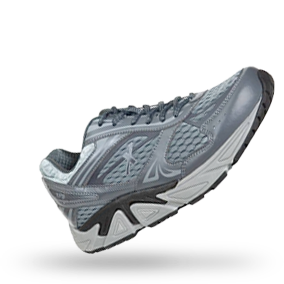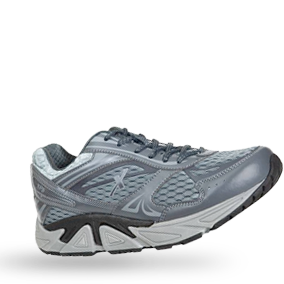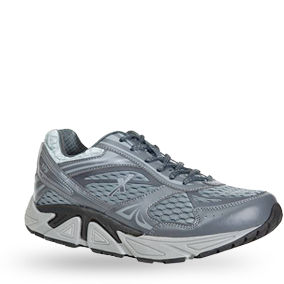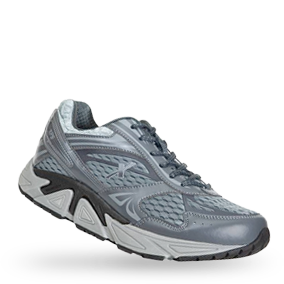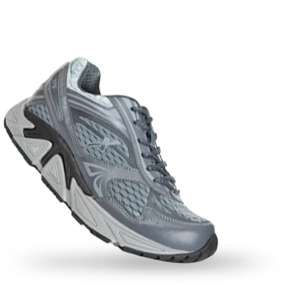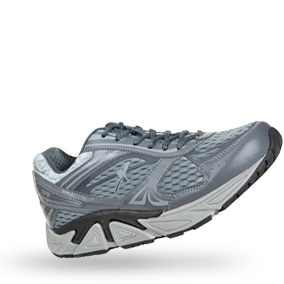
A shoe that feels soft in the store can still leave your feet, knees, or lower back aching after a few hours. The difference often comes down to how well the shoe controls motion during each step. Stability shoes for women are designed to provide more than cushioning: they help guide the foot, support alignment, and reduce the strain that can build with walking, standing, running, or everyday errands.
For women who notice their feet rolling inward, feel unsteady on uneven ground, or simply want a more supportive foundation, stability is not a cosmetic feature. It is a functional part of staying active with greater comfort and confidence.
A stable shoe helps manage the way your foot moves from heel strike through toe-off. During a normal gait cycle, the foot naturally rolls inward slightly to absorb force. Excessive inward rolling, often called overpronation, can place added stress on the foot, ankle, shin, knee, hip, and lower back.
Stability footwear is built to limit excessive motion without making every step feel stiff or restrictive. It typically combines a supportive midsole, a secure heel structure, and a base that keeps the foot better centered as you move forward. The goal is not to stop natural movement. It is to provide useful guidance when your foot and lower body need it.
This can be especially valuable if you spend long hours on your feet, return to activity after pain or injury, or find that standard athletic shoes compress quickly and leave you feeling unsupported. The right shoe should make walking feel more controlled, not more complicated.
You do not need a formal diagnosis to recognize that your current footwear is not doing enough. Pay attention to patterns that show up during or after activity. Repeated discomfort is information, particularly when it appears in the same places after a walk, workout, or workday.
You may benefit from stability-focused footwear if your shoes wear down heavily along the inside edge, your ankles seem to collapse inward, or your feet feel tired well before the rest of you does. Some women also notice recurring arch discomfort, heel pain, shin soreness, knee irritation, or a sense that one leg works harder than the other.
Foot shape and gait are only part of the picture. Body weight, prior injuries, joint mobility, work surfaces, activity level, and the condition of your current shoes all affect how much support you need. A woman who walks two miles on smooth pavement may need something different from a nurse on hard hospital floors or a hiker navigating uneven trails.
If pain is severe, persistent, worsening, or accompanied by swelling, numbness, or instability, footwear alone may not be the answer. A qualified health care professional can help identify the cause and recommend the appropriate next step.
The word “stability” can mean different things across brands, so look beyond the label. A well-designed support shoe should work as a system rather than relying on one firm piece under the arch.
A structured heel counter is a key starting point. This firmer material around the back of the shoe helps hold the heel in a more secure position. When the heel shifts less, the rest of the foot has a better chance to move efficiently through the stride.
The midsole also matters. Cushioning absorbs impact, but stability comes from how that cushioning is shaped and supported. Look for a platform that feels broad and planted rather than narrow or wobbly. A supportive midsole can help reduce excessive side-to-side movement while still providing enough cushioning for long walks and daily wear.
Arch support should feel present but not aggressive. An arch that presses sharply into your foot may cause discomfort, especially during longer periods of wear. The best support meets your foot where it needs help and works with the shoe’s overall structure to encourage a more aligned gait.
Finally, consider the outsole and forefoot design. Good traction supports confidence on varied surfaces, while a smooth transition from heel to toe can make walking feel less effortful. Motion-control features and forward-moving geometry are particularly helpful for people who want support without a heavy, clunky feel.
Even the most engineered shoe cannot perform well if it does not fit correctly. Many women wear shoes that are too short, too narrow, or too loose through the heel because they focus only on their usual size. Feet can change over time due to age, pregnancy, activity, swelling, surgery, or medical conditions, so it is worth reassessing fit periodically.
Try shoes later in the day, when feet are more likely to be at their largest. Wear the socks you plan to use for walking or exercise. You should have about a thumb’s width of room in front of the longest toe, while the heel should feel secure without rubbing or slipping.
Width deserves equal attention. A shoe that squeezes the forefoot can cause pressure and numbness, while one that is too wide may allow the foot to slide and lose the benefit of its stability features. If one foot is slightly larger, fit the larger foot. Adjustable lacing can further improve security across the midfoot and heel.
Walk on a hard surface if possible. Notice whether your foot feels centered on the platform, whether the arch support is comfortable, and whether the shoe rolls you forward naturally. A brief try-on cannot perfectly predict a full day of wear, but discomfort, pinching, or instability in the first few minutes is rarely a problem that improves with time.
The best stability shoe depends on how you plan to use it. For everyday walking, prioritize cushioning that remains supportive over extended wear, a stable heel, and enough room for natural toe movement. If you stand at work, a durable sole and dependable shock absorption can help reduce fatigue on hard floors.
For running, look for stability that works at a faster pace. The shoe should feel secure through landing and transition without fighting your stride. Some runners prefer a firmer, more controlled sensation, while others need more cushioning because of joint sensitivity or longer distances. Neither approach is universally better. The right choice depends on your gait, training volume, and comfort.
For hiking or uneven terrain, traction and lateral stability move higher on the priority list. A supportive shoe with a stable base can help you feel more confident when the ground changes underfoot. Keep in mind that a road running shoe may not provide the grip or protection needed for trails.
If you use custom orthotics, choose a shoe with a removable insole and enough internal depth to accommodate them without crowding your foot. Orthotics and stability shoes can work well together, but they should not create excess pressure under the arch or raise the heel so high that the shoe becomes unstable.
More support is not automatically better. A highly structured motion-control shoe may be useful for someone with significant inward rolling or a need for maximum guidance, but it can feel overly restrictive for a person with a neutral gait and no history of discomfort. The goal is appropriate support, not the firmest shoe available.
Think of stability as a range. Some shoes provide moderate guidance for active women who want a more secure ride. Others offer stronger motion control for people managing pronounced overpronation, balance concerns, or ongoing lower-body stress. Your comfort during real movement should guide the decision.
A gradual transition is wise if you are moving from flexible, minimally supportive footwear into a more structured shoe. Wear the new pair for shorter walks or part of the day at first, then increase use as your body adapts. This is especially helpful when you have been compensating for discomfort or poor alignment for a long time.
Supportive footwear works best when it is cared for and replaced before its structure breaks down. Check the outsole for uneven wear, inspect the midsole for deep creasing or compression, and notice whether the shoe feels less stable than it did when new. A shoe can look acceptable from the outside while no longer providing the support your body relies on.
Rotate pairs if you walk, run, or stand frequently. Giving shoes time to dry and recover between wears can help preserve cushioning and comfort. It also gives you a useful comparison: if one pair consistently leaves you sore or unsteady, it may no longer be the right tool for your needs.
Xelero designs supportive footwear around alignment, shock absorption, and forward motion because comfort should help you keep moving, not encourage you to sit out the activities that matter to you. Choose a stable, properly fitted shoe that matches your routine, then let each step be a little more comfortable, controlled, and confident.