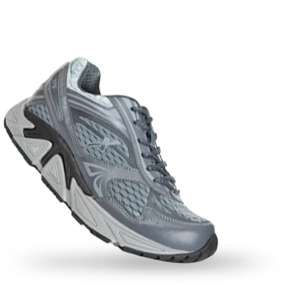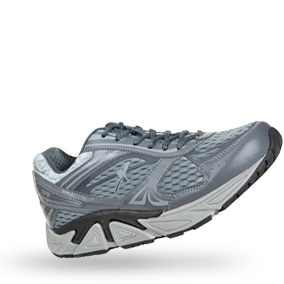
When people shop for walking shoes, cushioning usually gets most of the attention. That makes sense. A soft step can feel good right away. But cushioning is only one part of what makes a shoe comfortable and supportive over time. Heel stability matters too, and it can have a major impact on how a shoe feels during real-world walking.
The heel is one of the first parts of the foot to make contact with the ground during a step. If that contact point feels unstable, loose, or unsupported, the rest of the stride may feel off too. A shoe with good heel stability can help create a steadier, more controlled walking experience, which may reduce fatigue and make each step feel more secure.
Heel stability refers to how well a shoe supports and secures the back of the foot while you walk. A stable heel helps keep the foot from shifting too much inside the shoe and helps create a smoother transition from heel strike to the rest of the step.
That does not mean a shoe has to feel stiff or heavy. Good heel stability is more about control than rigidity. The right walking shoe should help the heel feel secure without making movement feel forced or unnatural.
In simple terms, heel stability helps a shoe feel:
Walking starts at the ground. For many people, the heel is the first point of contact in each stride. That means the heel helps absorb impact, support body weight, and set the tone for the rest of the movement.
If the heel is not well supported, several things can happen. The foot may move more than it should. The ankle may have to work harder to stay balanced. The stride may feel less smooth and less controlled. Over time, that can make walking more tiring and less comfortable.
Because this happens with every step, even a small amount of instability can become more noticeable as the day goes on.
A shoe that does not offer enough rearfoot support may feel fine at first, especially if it is very soft. But once you start walking, the lack of structure may become more obvious.
Common problems can include:
For some people, this kind of instability is simply uncomfortable. For others, it may make existing foot or ankle issues harder to manage.
A stable heel can make a noticeable difference in how a shoe feels over the course of the day. When the back of the foot feels more secure, the rest of the stride often feels more controlled too.
That can help support:
This is especially important for people who spend a lot of time on their feet. Whether you are walking for exercise, working long shifts, traveling, or simply staying active throughout the day, heel stability can help walking feel less draining.
The heel and ankle work closely together during movement. If the heel does not feel secure inside the shoe, the ankle may have to do more work to keep the foot steady.
That is one reason people with ankle discomfort or general instability often benefit from shoes with better heel structure. A more stable rearfoot can help reduce that overworked feeling and create a stronger foundation for movement.
This does not mean the shoe needs to feel restrictive. It just means the foot should feel more supported and less like it is shifting around with each step.
Features That Help Improve Heel Stability
If heel stability is important to you, there are a few shoe features worth paying attention to.
A Firm Heel Counter
The heel counter is the part of the shoe that wraps around the back of the heel. When this area has enough structure, it helps keep the heel more secure and supported.
A Secure Fit
A shoe should hold the heel in place without rubbing or slipping. If the heel lifts too much during walking, the shoe may not be stable enough.
Stable Cushioning
Cushioning can help absorb impact, but it should still feel supportive. If the cushioning is too soft, it may make the heel feel less stable instead of more comfortable.
Rearfoot Support
Shoes with better rearfoot design often feel more controlled through the first part of the stride. This can make walking feel smoother and more balanced.
A Supportive Sole
A shoe that is overly flexible or collapses too easily may not give the heel enough support. A more structured sole can help improve overall walking stability.
Heel stability can be helpful for many types of walkers, but it may be especially important for people who:
For these people, rearfoot support is not a minor detail. It can be one of the most important parts of the shoe.
It is easy to overlook heel stability when shopping for walking shoes, but it plays a big role in comfort, control, and overall support. When the heel feels secure, the foot can move more efficiently and the rest of the stride often feels smoother. That can make everyday walking feel more comfortable and less tiring.
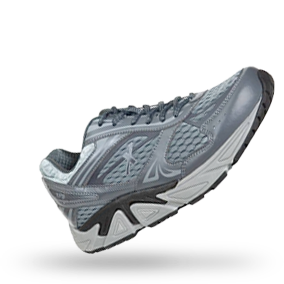
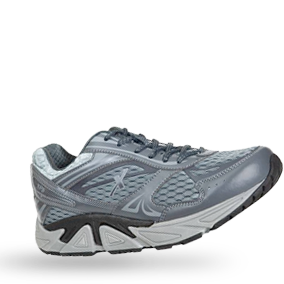
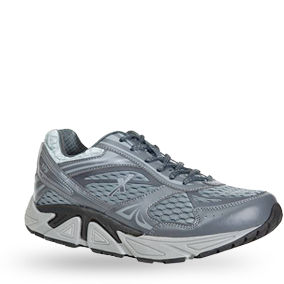
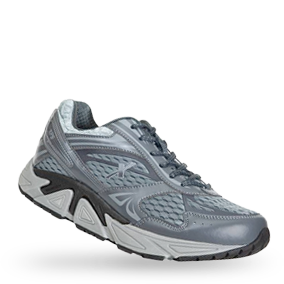
Xelero shoes are designed with rearfoot support, stable cushioning, and smoother forward motion in mind. For people dealing with heel pain, ankle fatigue, or a less stable stride, that combination can help make everyday movement feel more supported and controlled.