When your feet hurt, even simple daily routines can feel more difficult than they should. Walking the dog, running errands, standing at work, or getting through a full day on your feet can become frustrating when every step comes with discomfort. That is why many people start looking for “comfortable” shoes. The problem is, comfort alone is not always enough.
If you are shopping for walking shoes to help with pain relief, it is important to look beyond softness. A shoe can feel plush when you first try it on and still fail to give your feet the support they need. In many cases, the best walking shoes for pain relief are the ones that combine cushioning, structure, stability, and a better overall fit.
Walking places repeated stress on the feet and lower body. Every step sends force through your heels, arches, ankles, knees, hips, and lower back. If your shoes are not supporting that movement well, the strain can build up over time.
That does not mean a supportive shoe will solve every pain issue, but it can help reduce some of the everyday stress that makes discomfort worse. For many people, the right walking shoe can lead to:
The key is knowing what features actually matter before you buy.
When people think of pain relief, they often think of extra cushioning first. Cushioning does matter, but support is just as important. A shoe that is too soft or unstable may feel good for a few minutes, yet still allow too much motion and not enough control.
A better walking shoe should help your foot feel:
That combination is what often makes the biggest difference. Pain relief is not just about softness underfoot. It is about giving your body a better foundation for movement.
Not every walking shoe is built the same. If pain relief is a priority, there are several important features worth paying attention to.
Arch Support
Good arch support helps reduce strain through the middle of the foot and can improve how weight is distributed during walking. This is especially important for people dealing with arch pain, plantar fasciitis, or general foot fatigue.
Look for:
Stable Cushioning
Cushioning can help absorb impact, especially for people with heel pain or sensitive feet. But the cushioning should still feel supportive. A shoe that is overly soft may not provide the control needed for long-term comfort.
Look for cushioning that feels:
Heel Stability
The heel plays a big role in how the foot lands and moves. A shoe with poor heel support may feel sloppy or unstable, which can make pain harder to manage.
Look for:
Structured Sole
A walking shoe that bends or twists too easily may not provide enough support. A more structured sole can help create a smoother, more controlled stride.
This can be especially helpful for people dealing with:
Smooth Forward Motion
Some shoes are designed to help guide movement from heel strike to toe-off more smoothly. That can help reduce the abrupt stress that some people feel with each step.
A smoother stride may help walking feel:
Different types of foot and body discomfort may call for slightly different support needs. That is why it helps to think about where your pain tends to show up most.
You may be looking for support for:
The more clearly you understand what type of support you need, the easier it becomes to shop more effectively.
Some shoes look great or feel soft in the store, but still may not be a good choice for pain relief. Watch for signs that a shoe may not be supportive enough.
Red flags can include:
If the shoe feels loose, flimsy, or overly soft, it may not give you the support you need throughout the day.
A supportive walking shoe should feel different in a good way. It should not just feel soft. It should feel secure and balanced from the start.
When trying on shoes, pay attention to whether they feel:
A good walking shoe should help your foot feel guided and supported, not like it is working harder to stay comfortable.
The best walking shoes for pain relief usually do not rely on one feature alone. Instead, they combine cushioning, structure, stability, and fit in a way that supports better movement overall.
That is why it helps to think beyond immediate comfort. A shoe that feels comfortable for five minutes is not always the same as a shoe that feels supportive after hours of walking or standing. Long-term comfort often comes from the right structure, not just extra softness.
If you are shopping for supportive walking shoes for pain relief, it helps to focus on what your feet actually need. Look for shoes that provide arch support, stable cushioning, heel security, and a more structured walking experience. Those features can help reduce the everyday strain that often makes foot pain harder to manage.
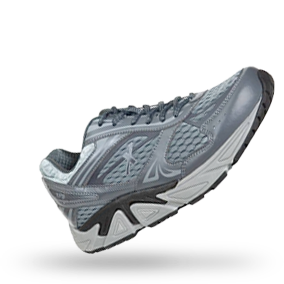
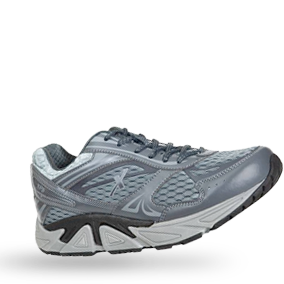
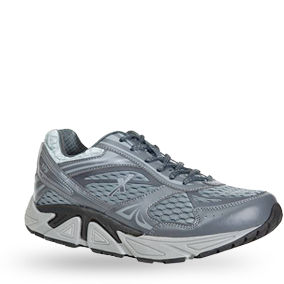
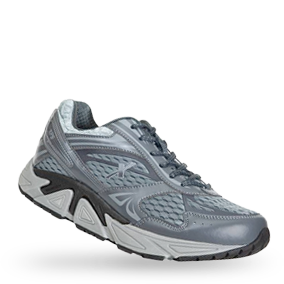
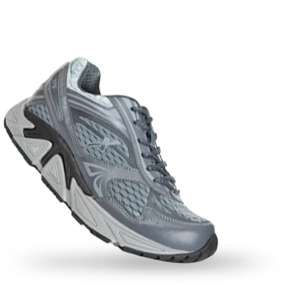
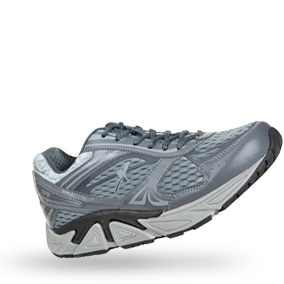
Xelero Shoes are designed to offer support, stability, and smoother forward motion to help reduce stress on the feet and joints. For people dealing with heel pain, arch pain, foot fatigue, or discomfort that travels beyond the feet, that extra support can make everyday walking feel more comfortable and controlled.