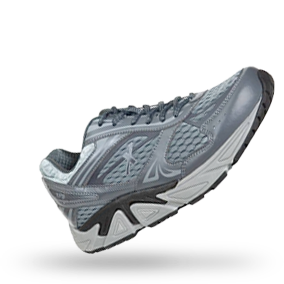
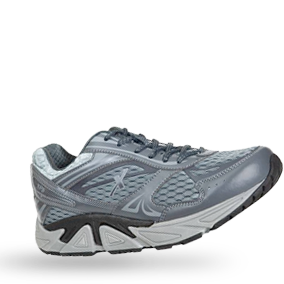
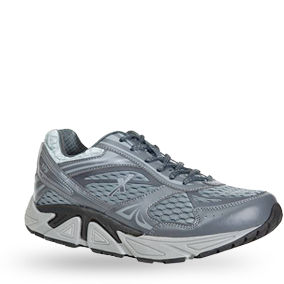
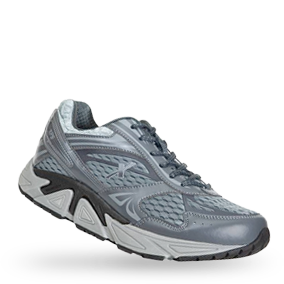
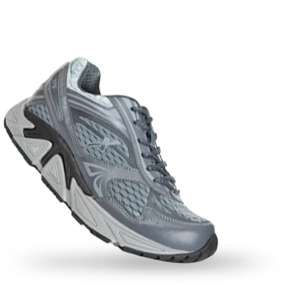
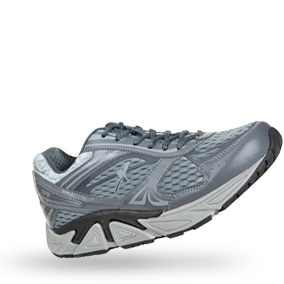
Plantar fasciitis is one of the most common causes of heel pain, and if you are dealing with it, even simple daily movement can become frustrating. That sharp pain near the bottom of the heel often feels worse first thing in the morning, after long periods of standing, or after getting up from rest. While there is no single solution that works for everyone, supportive footwear can play an important role in managing discomfort and reducing stress on the foot.
The challenge is that not all shoes are built to help. Some may feel soft at first but fail to provide the structure your foot needs. Others may be too flat, too flexible, or too unstable for people who need better support. If you are shopping for shoes for plantar fasciitis, it helps to know what features actually matter.
Why Shoes Matter for Plantar Fasciitis
The plantar fascia is a thick band of tissue that runs along the bottom of the foot, connecting the heel to the front of the foot. Its job is to help support the arch and absorb some of the stress created by walking and standing. When that tissue becomes irritated or overstressed, pain can develop, especially near the heel.
Supportive shoes can help by:
- Reducing strain on the plantar fascia
- Supporting the arch during movement
- Improving foot alignment
- Providing better shock absorption
- Limiting motion that may aggravate heel pain
The goal is not just comfort in the moment. The goal is to create a more supportive foundation that helps reduce repeated stress over time.
Look for Arch Support
One of the most important features in a shoe for plantar fasciitis is proper arch support. A shoe that supports the arch can help reduce tension on the plantar fascia and keep the foot from flattening too much during walking.
This does not mean every person needs the exact same arch shape or support level, but in general, a shoe should feel supportive under the middle of the foot rather than flat or unsupportive.
When evaluating arch support, look for:
- A contoured footbed
- Noticeable support through the midfoot
- A design that does not collapse too easily under pressure
- Enough structure to help distribute weight more evenly
For many people with plantar fasciitis, a completely flat shoe is usually not the best option.
Choose Cushioning That Still Feels Stable
Cushioning matters, especially when heel pain is involved. A shoe with good cushioning can help reduce the impact your heel absorbs with each step. That said, softer is not always better.
A shoe that feels overly soft may not provide the stability needed to support the foot properly. In some cases, too much softness can allow excess motion that adds to discomfort instead of reducing it.
A better choice is usually cushioning that feels:
- Supportive rather than squishy
- Soft enough to absorb impact
- Firm enough to keep the foot stable
- Consistent from heel to toe
Think of it as balanced cushioning. You want relief from impact, but you also want the shoe to help control movement.
Pay Attention to Heel Support
Because plantar fasciitis pain is often concentrated near the heel, heel support is especially important. A shoe with a secure, stable heel can help improve control and reduce unwanted motion.
Look for:
- A firm heel counter
- A secure fit around the back of the foot
- Enough cushioning under the heel
- A design that helps keep the foot aligned while walking
If the heel area feels sloppy, unstable, or too loose, the shoe may not provide the support you need.
Avoid Shoes That Bend Too Easily
Flexible shoes can feel lightweight and casual, but too much flexibility is often not ideal for plantar fasciitis. A shoe that folds or twists too easily may not give the foot enough structure.
Instead, look for a shoe with a more supportive sole that encourages smoother movement. Many people with plantar fasciitis do better in shoes that feel a bit more structured through the midsole and forefoot.
A supportive shoe should not feel stiff in a harsh way, but it should not feel flimsy either.
Look for a Smooth, Supportive Walking Experience
Plantar fasciitis support is not just about one feature. It is about how the whole shoe works together.
The right shoe should help you feel:
- More stable while walking
- Better supported under the arch
- Less impact at the heel
- More comfortable over longer periods
- More confident during daily movement
If a shoe feels unstable, flat, or overly soft, it may not give you the support you need, even if it feels comfortable for a few minutes.
Other Features That Can Help
Along with arch support, cushioning, and heel stability, there are a few other details worth considering.
Helpful features may include:
- A removable insole if you use custom orthotics
- A wider base for better stability
- Breathable materials for all-day comfort
- A roomy toe box that does not crowd the foot
- A secure fit that keeps the foot from sliding around
These features may not directly treat plantar fasciitis, but they can improve overall comfort and make the shoe easier to wear consistently.
What to Avoid
When shopping for shoes for plantar fasciitis, it is also helpful to know what to avoid.
In many cases, people with heel pain may want to steer clear of:
- Flat, unsupportive shoes
- Very flexible shoes
- Worn-out sneakers with compressed cushioning
- Shoes with little heel support
- Footwear that feels unstable while walking
A shoe that lacks structure may make it harder for the foot to move comfortably and efficiently.
The Right Shoes Can Make a Meaningful Difference
Plantar fasciitis can make everyday life more uncomfortable than it should be, but the right footwear can help support better movement and reduce strain on the foot. When shopping for shoes, focus on features that promote support, stability, and controlled cushioning rather than softness alone.
A good shoe for plantar fasciitis should help support your arch, cushion your heel, and create a more stable walking experience from step to step. For many people, that combination can make a meaningful difference in day-to-day comfort.