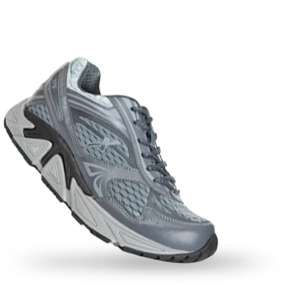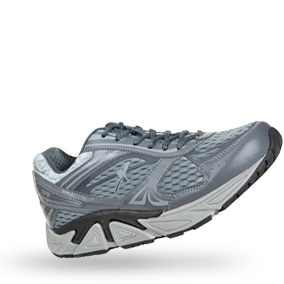
Foot and ankle pain can make everyday movement feel harder than it should. A short walk can leave you sore. Standing for too long may lead to fatigue and discomfort. Even routine activities like shopping, working, or traveling can become more frustrating when your feet and ankles do not feel properly supported.
That is why footwear matters so much. While shoes cannot solve every cause of foot or ankle pain, the right pair can help reduce everyday strain and make walking feel more comfortable. In most cases, the best shoes for managing foot and ankle pain are the ones that provide the right combination of support, stability, cushioning, and fit.
Your feet and ankles absorb a lot of force throughout the day. Every step places stress on these areas, especially if you spend a lot of time walking or standing. If your shoes do not provide enough structure or support, that repeated stress can add up.
Poor footwear can contribute to:
That does not mean every pain issue starts with shoes, but it does mean the wrong shoes can make things worse. The right shoes can help create a more stable base and reduce some of the everyday pressure your feet and ankles are dealing with.
Not every supportive shoe looks the same, but there are several features that are often especially helpful for people dealing with foot and ankle discomfort.
Supportive Cushioning
Cushioning helps absorb impact, which can be especially important if you are dealing with heel pain, general soreness, or sensitivity underfoot. However, the cushioning still needs to feel supportive.
Shoes that are too soft may feel good for a moment but may not provide the control your feet and ankles need over time. A better option is cushioning that feels:
A Secure Heel
The heel plays a big role in walking stability. If the back of the shoe feels loose or the heel slips while you walk, your ankle may end up working harder to compensate.
Look for a shoe that offers:
A secure heel can help the foot feel more planted and reduce that unstable, wobbly sensation some shoes create.
Arch Support
Arch support matters because it helps the foot handle weight and motion more effectively. Without enough support through the middle of the foot, strain can build up more quickly, which may affect not only the feet but also the ankles.
A supportive shoe should offer:
A Stable Base
A stable shoe should feel balanced, not narrow or overly soft from side to side. That stable base can be especially helpful if you deal with ankle fatigue or feel unsteady in certain shoes.
A more stable base may help with:
A Structured Sole
Some shoes bend and twist too easily. While flexibility is not always bad, too much can leave the foot and ankle without enough support. A more structured sole can help walking feel smoother and more controlled.
This can be especially helpful for people who need a shoe that feels more supportive during longer periods of standing or walking.
The ankles are constantly working to help keep you balanced. If your shoes are unstable, your ankles may have to do more of that work themselves. Over time, that can lead to soreness, fatigue, and discomfort.
You may notice this in shoes that feel:
A more supportive walking shoe can help reduce that extra effort by giving the ankle a more secure foundation. When the foot feels more controlled, the ankle often feels less overworked too.
If you are trying to manage foot and ankle pain, some types of footwear may work against you rather than help.
These often include:
In many cases, the issue is not just lack of cushioning. It is lack of support.
When trying on walking shoes, it helps to pay attention to more than just first-step comfort. A good shoe should feel supportive in motion, not just while standing still in a store.
A supportive shoe should feel:
Your foot should not feel like it is sliding around, and your ankle should not feel like it has to work harder to stay steady.
The best shoes for managing foot and ankle pain are usually not the flashiest or the softest. They are the ones that help you move more comfortably and with less strain. That often means focusing on fit, support, heel security, stable cushioning, and overall walking control.
Instead of asking which shoe is “best” for everyone, it is often more helpful to ask which shoe gives your foot and ankle the support they need.
If you deal with foot and ankle pain, your shoes may be playing a bigger role than you realize. A better pair can help reduce everyday stress, improve stability, and make walking feel less tiring. Supportive cushioning, a secure heel, arch support, and a stable base are all worth prioritizing when choosing your next pair.
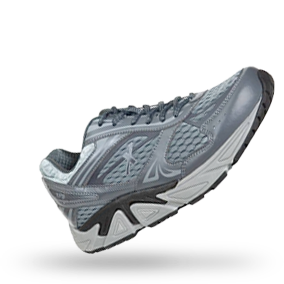
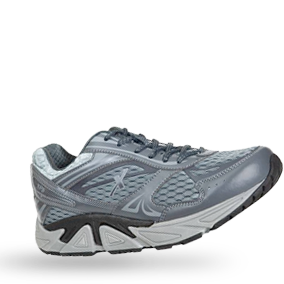
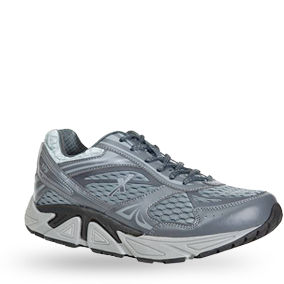
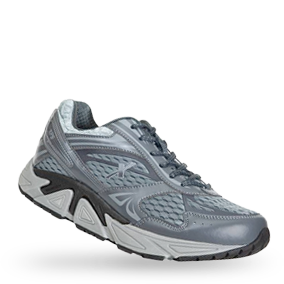
Xelero Shoes are designed to provide stable support, controlled cushioning, and a more secure walking experience. For people dealing with foot fatigue, ankle discomfort, or pain that gets worse during everyday movement, that added support can help make each step feel more comfortable and controlled.