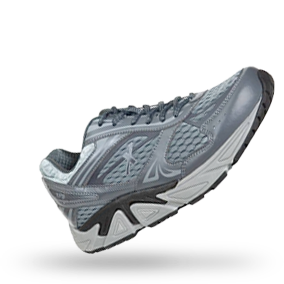
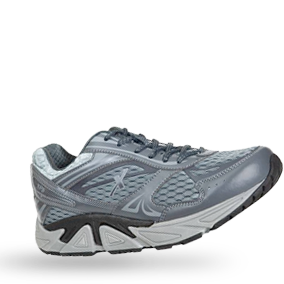
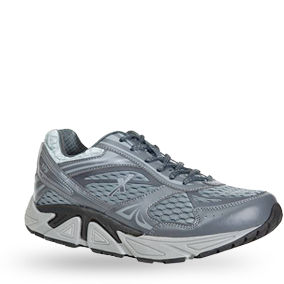
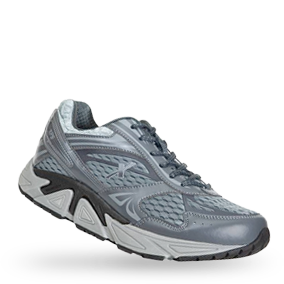
If your feet, knees, or lower back start talking after a workout or a long day on the move, the problem is not always how far you went. Sometimes it is what you wore getting there. The question of walking shoes vs running shoes matters because each shoe is built around a different gait pattern, a different kind of impact, and a different support need.
At a glance, the two categories can look similar. Both may have cushioned midsoles, breathable uppers, and athletic styling. But once you look at how the body moves in walking versus running, the design differences start to make sense. Those differences can affect comfort, stability, and how much stress travels up the chain from your foot to your ankle, knee, hip, and back.
Walking shoes vs running shoes: the core difference
Walking and running are not the same motion performed at different speeds. In walking, one foot stays in contact with the ground at all times. The movement is more controlled, heel-to-toe, and generally lower impact. In running, there is a flight phase where both feet leave the ground. That creates significantly higher landing forces and a faster transition through the stride.
Because of that, walking shoes are usually designed to support a smooth, stable roll from heel strike through toe-off. They often prioritize flexibility through the forefoot, a secure platform, and comfort for repeated daily miles. Running shoes, by contrast, are built to manage greater impact, absorb more shock, and guide the foot through a quicker and more forceful gait cycle.
Neither category is automatically better. The right choice depends on how you move, how long you are on your feet, and whether you need extra biomechanical support.
How gait changes what your shoe needs
A good shoe does not just cushion the foot. It works with the way the body moves.
During walking, the heel typically contacts first, then the foot rolls forward in a steady progression. That means the shoe needs enough structure to keep the foot aligned, enough flexibility to bend naturally at the forefoot, and enough cushioning to reduce repetitive stress over time. If the platform is too soft or unstable, the foot can wobble and force the joints above it to compensate.
During running, the body loads the shoe much harder. Depending on pace and form, runners may land on the heel, midfoot, or forefoot, but the forces are still higher than in walking. That often calls for thicker midsoles, more aggressive shock absorption, and materials that can handle repeated compression without bottoming out too quickly.
For people with foot fatigue, overpronation, joint discomfort, or a history of pain, gait mechanics matter even more. A shoe that feels fine in the store can become a problem after an hour of real movement if it does not control motion well enough.
Cushioning is different in walking and running shoes
This is one of the biggest areas of confusion. Many shoppers assume more cushioning is always better. In reality, cushioning has to match the activity.
Walking shoes usually have moderate cushioning with an emphasis on stable comfort. The goal is not just softness. It is controlled impact reduction that still lets you move efficiently from heel to toe. Too much softness can sometimes make walking feel mushy and less stable, especially for people who need support or who spend long hours on hard surfaces.
Running shoes often use thicker, more resilient cushioning because they have to absorb stronger landing forces. That extra foam can feel comfortable at first, but it may not always be ideal for someone who mainly walks. In some cases, a highly cushioned running shoe can feel less grounded, particularly if the platform is narrow or the foam is very soft.
That is why comfort should be judged in motion, not by hand feel alone. A shoe that compresses nicely when you press on it is not necessarily the shoe that will keep your stride aligned.
Stability and motion control can matter more than softness
For many adults, especially those managing foot, knee, hip, or lower-back discomfort, support is not optional. It is the difference between staying active and paying for it later.
Walking shoes often provide a broad, stable base and a gait-friendly flex pattern. Better models also add support features that help limit excess inward rolling, improve alignment, and reduce strain during repetitive steps. This is especially valuable for people who walk daily for fitness, work on their feet, or need dependable all-day comfort.
Running shoes vary more widely. Some are neutral and flexible. Others are built for stability. If you are a runner with a stable gait, a neutral running shoe may work well. But if your foot collapses inward too much, or if you notice uneven wear, fatigue, or recurring aches, a more supportive construction may be the better fit.
This is where biomechanical design becomes important. Features that guide forward motion, support the arch appropriately, and create a more controlled heel-to-toe transition can help reduce cumulative stress. That is one reason brands like Xelero focus so heavily on alignment and motion control rather than comfort in the abstract.
Can you walk in running shoes?
Yes, sometimes. But that does not mean it is the best long-term choice.
If you only walk occasionally and your running shoes feel stable, comfortable, and supportive, they may be perfectly fine for short walks or general errands. Many people do this without any issue.
The trade-off shows up when walking is your main activity. A running shoe may be heavier than necessary, too soft for your stride, or shaped around a different movement pattern. Over time, that mismatch can lead to fatigue or instability, especially if you are walking for exercise, traveling, or spending full days on your feet.
If you are walking because you want low-impact activity, recovery, or pain-sensitive movement, a purpose-built walking shoe often makes more sense. It tends to support the slower, more repetitive mechanics of walking in a way that feels more natural and controlled.
Can you run in walking shoes?
This is the riskier switch.
Walking shoes are generally not built for the higher impact and faster loading of running. They may not have enough cushioning, enough energy return, or the right structural reinforcement to handle repeated running miles. Even if they feel comfortable at first, they can wear down faster and leave the body absorbing more shock than it should.
For a short jog to catch a train, you are unlikely to notice much. For regular running, though, walking shoes are usually the wrong tool for the job. If running is part of your routine, choose a shoe designed for it.
How to choose between walking shoes and running shoes
Start with what you actually do most often, not what you hope to do once in a while. If your weekly movement is mostly neighborhood walks, treadmill walking, travel, or all-day standing, look first at walking shoes. If you run several times a week, even at an easy pace, start with running shoes.
Then consider your body mechanics. If you deal with plantar fasciitis, arch strain, bunions, overpronation, knee soreness, or low-back fatigue, the conversation shifts from simple category labels to support quality. You need a shoe that keeps you aligned, reduces unnecessary motion, and stays comfortable after repeated use, not just for the first ten minutes.
Fit matters just as much as category. Your heel should feel secure without slipping. The toe box should give your toes room without letting the foot slide around. The midfoot should feel supported, not squeezed. And if one shoe feels noticeably steadier underfoot than another, that is worth paying attention to.
It also helps to be honest about surfaces. Sidewalks, concrete floors, treadmills, and trails all load the body differently. Someone who walks five miles a day on concrete may need more shock management than someone who walks the same distance on a softer path.
Signs you may be wearing the wrong type of shoe
The body usually gives useful feedback. If your shoes are not matching your movement, you may notice aching arches, heel pain, shin discomfort, knee soreness, hot spots, numb toes, or a tired, heavy feeling in the legs after routine activity. You might also see uneven outsole wear or feel unstable during turns and transitions.
These issues do not always mean you need a different category, but they often mean you need a different level of support, cushioning, or motion control. A better shoe should help your stride feel easier, not force you to work around the shoe.
The best choice is usually the one that supports how you move now, not the one that looks the most athletic on the shelf. When the shoe matches your gait, your body notices – often in the form of fewer aches, better balance, and more confidence to keep moving tomorrow.