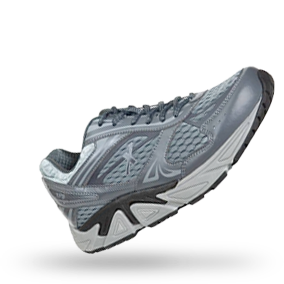
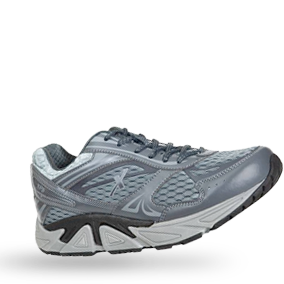
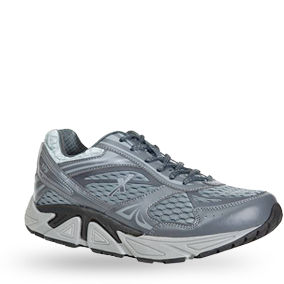
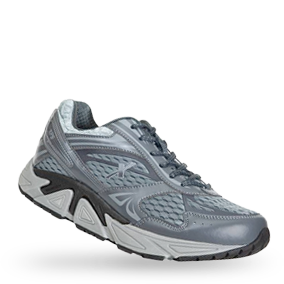
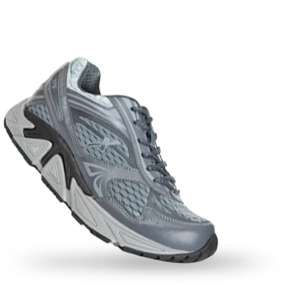
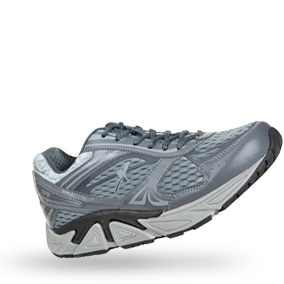
A long walk should leave you feeling better, not more aware of your arches, ankles, knees, or lower back. For many women, that chain reaction starts with overpronation – when the foot rolls inward too much during the gait cycle. The right walking shoes for overpronation women need can make a noticeable difference in stability, comfort, and how the body feels after hours on your feet.
Why overpronation changes the way a walking shoe should perform
Overpronation is not just a foot issue. When the foot collapses inward beyond what your body can control comfortably, alignment above the foot can shift as well. That can increase stress through the ankle, knee, hip, and lower back, especially during repetitive daily walking.
A standard walking shoe may feel soft in the store but still fall short where it matters most. Cushioning alone does not correct unstable movement. If the midsole compresses too easily or the platform is too narrow, the foot can continue to roll inward with every step. Over time, that may contribute to fatigue, soreness, and a less efficient stride.
This is why women with overpronation often do better in shoes built for control as well as comfort. The goal is not to force the foot into a rigid position. It is to guide motion more effectively, improve alignment, and reduce excess stress during forward movement.
What to look for in walking shoes for overpronation women
The best support usually comes from a combination of features working together. Looking at one spec in isolation – like arch support or cushioning – rarely tells the full story.
Stable platform and motion control
A stable base is one of the most important features in walking shoes for overpronation women. The shoe should feel planted underfoot, not tippy or overly curved side to side. A wider platform can help improve contact with the ground and reduce the sense of collapse toward the inside edge of the foot.
Motion-control elements are also useful when overpronation is moderate to more significant. These designs help manage excessive inward rolling and keep the foot moving through a more controlled path. For some women, that added structure can bring relief not only to the feet but also to the knees and hips.
Firm but comfortable midsole support
Many shoppers equate softness with comfort, but for overpronation, an ultra-soft midsole can sometimes create more instability. A better choice is cushioning that absorbs impact without letting the foot sink too far off center.
That trade-off matters. Too firm, and the shoe may feel harsh on long walks. Too soft, and support can break down under body weight and repetition. The best walking shoes strike a middle ground – enough shock absorption for comfort, enough structure to keep gait mechanics from drifting.
Arch support that matches your foot, not a trend
Women with overpronation often benefit from supportive arches, but more is not always better. An aggressive arch can feel intrusive if it does not match your foot shape. A more effective design supports the foot through the midfoot while working with the rest of the shoe to improve alignment.
If you wear orthotics, the shoe should also have enough depth and a removable insole. That combination gives you flexibility without cramming the foot into a tight interior.
Heel security and rearfoot control
A secure heel counter helps hold the rearfoot in place, which can improve overall stability from the first point of contact. If the heel slips or wobbles, the rest of the gait cycle often becomes less controlled.
Pay attention to how the back of the shoe feels during walking, not just standing. A shoe can seem snug in the heel while stationary but still allow too much movement once you start rolling through the step.
Forefoot flexibility in the right place
Walking shoes should bend, but they should bend where your foot naturally flexes near the forefoot. If a shoe twists too easily through the middle, it may not offer enough structural support for overpronation.
This is one of the easiest ways to separate a truly supportive walking shoe from one that is simply cushioned. Controlled flexibility helps the shoe move with you while still protecting alignment.
Fit matters as much as support
Even a well-engineered shoe can underperform if the fit is off. A narrow toe box may crowd the forefoot and change pressure patterns. A shoe that is too short can irritate the toes on longer walks. A loose fit can reduce stability and increase friction.
Women should look for a secure midfoot and heel with enough room in the toe box for natural toe splay. If one foot is slightly larger, fit the larger foot. If swelling tends to build through the day, try shoes later in the afternoon rather than first thing in the morning.
Width is especially important. Some overpronators also have flatter feet, bunions, or sensitivity around the forefoot, and a standard width may not be enough. In those cases, the correct width can improve both comfort and function more than extra cushioning alone.
Signs your current walking shoes are not doing enough
Sometimes the problem is not obvious until you connect your symptoms to the way the shoe behaves. If the inside edge of your outsole wears down quickly, that can be a clue. So can repeated soreness along the arch, inner ankle, shin, knee, or hip after walks.
You might also notice that one shoe leans inward when set on the floor, or that you feel more stable in older, firmer shoes than in newer, softer ones. Those patterns suggest your footwear may not be giving you the control your stride needs.
A shoe does not need to be completely worn out to stop supporting you well. For women who rely on stability features, subtle midsole breakdown can show up as body discomfort before the outsole looks severely worn.
When cushioning helps – and when it gets in the way
Cushioning still matters, especially if you walk on pavement, spend long hours standing, or deal with joint sensitivity. The key is how that cushioning is integrated into the shoe.
Supportive walking shoes should absorb impact while maintaining a level, stable ride. If the foam is too compressible, the foot may sink inward and increase pronation instead of controlling it. On the other hand, a shoe with no give at all can feel punishing and may discourage daily use.
This is where performance-focused comfort makes a difference. Brands that center their design on alignment, motion control, and forward progression often build cushioning around support rather than treating softness as the whole story. Xelero is one example of this approach, with designs that prioritize stability and gait efficiency for people who need more than casual comfort.
Who may need more support than a standard stability shoe
Not every woman with overpronation needs the same level of correction. Mild overpronation may respond well to a stable walking shoe with moderate guidance. More significant inward rolling, a flatter foot shape, or a history of plantar fasciitis, posterior tibial tendon discomfort, knee pain, or low back fatigue may call for stronger motion-control features.
It also depends on how and where you walk. A short indoor walk on even flooring places different demands on the body than several miles on sidewalks or all-day wear at work. If your symptoms build with distance or time on your feet, a more supportive design is usually worth considering.
If you use custom orthotics or have been advised by a medical professional to limit excessive pronation, shoe structure becomes even more important. In that case, depth, removable insoles, and a stable chassis should move to the top of your list.
How to choose with confidence
Start by thinking about your real use case, not the ideal version of your week. If the shoe is for daily errands, work, travel, or fitness walks, choose based on the longest and most demanding conditions you expect to handle.
Then focus on how the shoe feels in motion. Walk long enough to notice whether your foot stays centered, whether the heel feels secure, and whether the arch support feels helpful rather than forceful. A good shoe should feel supportive right away, but not restrictive.
Finally, remember that relief is often cumulative. The right pair may not feel dramatic in the first five minutes. What matters is whether your feet and joints feel better after a full day, a long walk, or a consistent week of wear.
The best walking shoe for overpronation is the one that helps your stride stay controlled without making comfort a compromise. When support, fit, and cushioning work together, walking starts to feel like something your body can trust again.