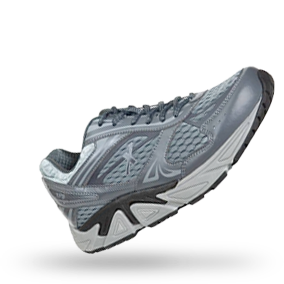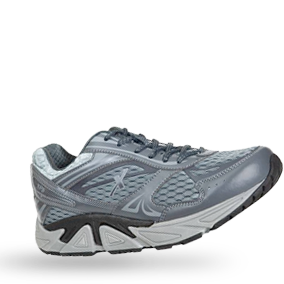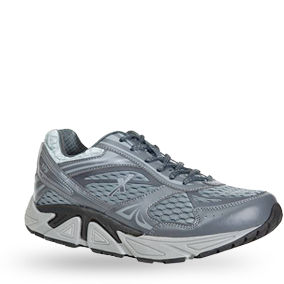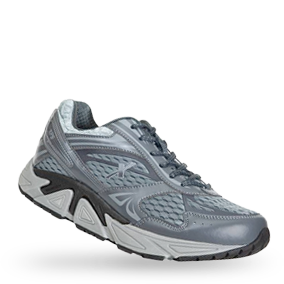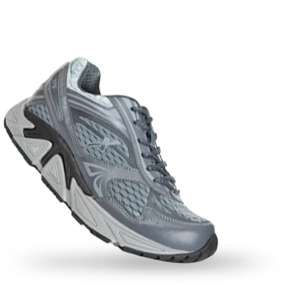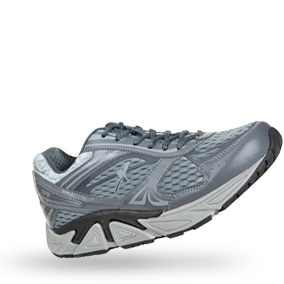
A shoe that feels fine for the first mile can become a problem by mile four. That is often the moment runners start noticing knee drift, arch fatigue, or a low-level ache that builds with every step. Running shoes with mild stability are designed for exactly that middle ground – when you want more guidance than a neutral shoe offers, but not the firmer, more corrective feel of a full motion-control model.
Mild stability is not about forcing your foot into a rigid position. It is about giving your stride more consistent support as your body moves through the gait cycle. For many runners, that means helping control excess inward rolling of the foot without creating a harsh or overly structured ride.
A well-designed mild stability shoe usually works through a combination of features rather than one aggressive correction point. The midsole may be shaped to guide the foot more smoothly. The platform may be wider under the heel or midfoot to improve balance at landing. The upper may hold the foot more securely so it does not shift as fatigue sets in. When those elements work together, the result is support that feels present but not intrusive.
That distinction matters. Some runners need a little help with alignment, especially late in a run or on back-to-back training days, but they do not want the stiffness that can come with stronger stability systems. Mild stability fills that gap.
The best candidates are not always the runners who describe themselves as overpronators. In practice, the category is broader than that. Mild stability often works well for runners who feel inconsistent in neutral shoes, runners whose arches collapse slightly under load, and runners managing recurring discomfort in the feet, knees, hips, or lower back.
It can also be a strong option for people returning to running after time off. When tissues are rebuilding tolerance, a little extra structure can reduce strain and help movement feel more controlled. The same is true for runners with mild alignment issues who still want cushioning and flexibility for everyday miles.
Older runners often appreciate this category as well. As mobility changes and shock tolerance decreases, a shoe that helps maintain forward motion and steady positioning can make running feel more comfortable and more predictable.
That said, mild stability is not automatically better. If your stride is efficient and pain-free in neutral shoes, adding support may not improve anything. And if you need substantial correction because of significant overpronation or instability, mild support may not be enough.
Most runners do not need a lab analysis to spot the pattern. Your body usually gives you clues.
If you notice arch soreness that shows up near the end of a run, if one knee consistently feels more stressed than the other, or if your feet feel like they are collapsing inward when you get tired, those are all signs that a neutral platform may be asking too much of your body. Uneven outsole wear can also tell part of the story, especially if the inside edge breaks down quickly.
Another clue is inconsistency. Some days your shoes feel good, and other days they feel unstable for no clear reason. Mild stability can help by reducing those small movement variations that become more noticeable with fatigue, uneven surfaces, or longer mileage.
Comfort is the key filter here. If a shoe looks supportive on paper but leaves you feeling restricted, that is not a good trade. The right amount of stability should improve your stride without making you feel like the shoe is fighting you.
This is where many shoppers get stuck. Stability and motion control are related, but they are not the same.
Mild stability is intended for runners who need guidance, not heavy correction. The ride should still feel natural, with enough flexibility for daily training and enough cushioning to absorb impact comfortably. Motion-control shoes, by contrast, are generally built for higher levels of support. They tend to use firmer structures, stronger guidance elements, and a more controlling platform to manage substantial instability.
Neither category is universally better. It depends on what your body needs. If your goal is to reduce excess motion without feeling boxed in, mild stability is often the better fit. If you have chronic instability, significant overpronation, or pain that shows up repeatedly in less supportive shoes, stronger control may be more appropriate.
For some runners, the answer changes over time. A person may prefer mild stability for shorter runs and a more controlling shoe for recovery days or when symptoms flare up. There is room for nuance.
Not every mild stability shoe supports the foot the same way. The label matters less than the actual design.
A broad, balanced base can do more for comfort than a stiff post under the arch. When the platform is stable at contact, the foot has less need to compensate. This can help reduce stress through the ankles, knees, and hips.
If your foot slides inside the shoe, support features lose effectiveness. Look for a heel counter that feels steady and an upper that keeps the foot centered without creating pressure points.
Soft foam can feel great in the store, but if it compresses too easily or lets the foot sink unevenly, it may not offer enough guidance during longer efforts. Good mild stability usually comes from cushioning paired with structure.
A supportive shoe should not just control motion. It should help the body move through each step efficiently. Forward-motion design can make the ride feel less effortful while reducing repetitive stress.
These details are especially important for runners who are not chasing race-day speed. If your goal is to stay active, protect your joints, and keep running comfortably, overall mechanics matter more than trend-driven features.
A supportive design cannot do its job if the fit is wrong. This is one of the most common reasons runners try a stability shoe and decide the category is not for them.
If the toe box is too narrow, the forefoot cannot spread naturally at impact. If the shoe is too loose in the heel, the foot may slide and create friction or instability. If the arch shape does not match your foot reasonably well, even mild support can feel awkward.
That is why trying to solve discomfort with more correction alone often fails. The better approach is to find a shoe with the right blend of fit, cushioning, and guidance. A medically adjacent brand like Xelero approaches this from a biomechanics standpoint, with support built around alignment and motion rather than style trends. For runners who prioritize function, that difference can be meaningful.
No shoe can guarantee pain relief, and footwear should never be presented as a cure-all. But the right support can reduce the repetitive stress that contributes to common running complaints.
When the foot moves more efficiently, the chain above it often benefits. A runner dealing with mild plantar fascia strain may feel less arch fatigue in a stable platform. Someone with recurring knee irritation may notice that a better-guided stride reduces irritation over time. The same applies to runners who feel lower-back tightness after runs in shoes that allow too much collapse or side-to-side motion.
The trade-off is that more support is not always more comfortable. An overly controlling shoe can shift pressure in ways that create new issues. That is why mild stability can be such a useful category. It offers enough structure to improve alignment for many runners without crossing into a rigid feel.
Think about when your discomfort shows up. If you only feel unstable late in longer runs, you may want a mildly supportive trainer with balanced cushioning. If your body feels tender the day after every run, look for a model that combines shock absorption with gentle guidance. If you alternate running and walking, prioritize all-day comfort along with support, because your footwear needs do not stop when the workout ends.
Surface matters too. Road runners usually benefit from smoother transitions and reliable impact protection. If you run on mixed terrain, underfoot stability and secure foot hold become even more important.
It also helps to be honest about your tolerance for firmness. Some runners like feeling the support immediately. Others do better in shoes where the guidance is less noticeable but still effective over time. The right choice is the one that keeps you moving comfortably and consistently.
Running is hard enough on the body without asking your shoes to do too little. If you have been stuck between a neutral shoe that feels too loose and a corrective shoe that feels too firm, mild stability may be the missing middle – the kind of support that helps you stay active, protect your alignment, and keep each step working with your body instead of against it.